
HVAC system lifespan by type is one of the most important things homeowners should understand before investing in repairs or replacement. Every heating and cooling setup has a different operating life based on installation quality, climate conditions, airflow, and regular maintenance. Some hvac systems can last well beyond 15 to 20 years, while neglected systems often fail much earlier. Poor airflow, clogged air filters, dirty ductwork, and overworked components all shorten the life of your hvac system.
Homeowners often focus only on the equipment itself, but airflow and duct condition also impact energy efficiency, comfort, and long term system performance. A neglected duct system forces an air conditioner or furnace to work harder every day. Before deciding whether to repair or replace your unit, it helps to understand how the full system operates together. Many homeowners also benefit from reviewing an HVAC efficiency audit to identify hidden performance problems affecting system longevity.
Average HVAC System Lifespan by Type
The average life of an hvac system depends heavily on the type of equipment installed and how often it receives professional servicing. Traditional furnace and central air conditioner combinations commonly last between 15 and 20 years when properly maintained. In mild climates with lower workload demands, some systems can continue operating close to 30 years. However, efficiency drops over time, even when the system still functions.
Modern high efficiency systems often deliver lower utility costs, but they may contain more advanced components that require consistent maintenance. Systems exposed to excessive dust, restricted airflow, humidity problems, or poor duct sealing tend to wear down faster. According to the EPA indoor air quality guidance, airflow and clean ventilation systems directly affect both comfort and system performance.
- Central air conditioner: 15 to 20 years
- Heat pump: 10 to 15 years
- Gas furnace: 15 to 20 years
- Ductless mini split: 10 to 20 years
- Boiler systems: 20 to 30 years
- Window AC units: 8 to 12 years
How Long Does an HVAC System Last in Real Homes?
Many homeowners ask, how long does an hvac system last under normal living conditions. The answer depends less on manufacturer promises and more on real operating conditions inside the home. Homes with excessive dust buildup, pet dander, humidity issues, and dirty duct systems place additional strain on blowers and cooling components. This causes premature wear throughout the entire heating and cooling system.
Routine filter replacement and duct inspections are essential because airflow restrictions force motors and compressors to run longer cycles. Dirty vents also reduce indoor air quality, causing comfort problems throughout the home. Homeowners dealing with excessive dust or uneven airflow should review these duct signs before system damage becomes expensive.
What Shortens HVAC Life Expectancy?
Several hidden problems reduce hvac life expectancy much faster than most homeowners realize. Poor airflow is one of the most common causes of early system failure. When vents, ductwork, or coils become clogged, the equipment works harder to maintain temperature. This creates excessive wear on compressors, fans, motors, and electrical components.
Another major issue is neglected maintenance. Skipping inspections allows small problems to become costly failures. Refrigerant leaks, damaged duct seals, dirty blower assemblies, and blocked drain lines all reduce the hvac lifespan. The University of Calgary energy efficiency resource explains how reduced system efficiency increases operating stress and long term energy consumption.
- Dirty or clogged air filters
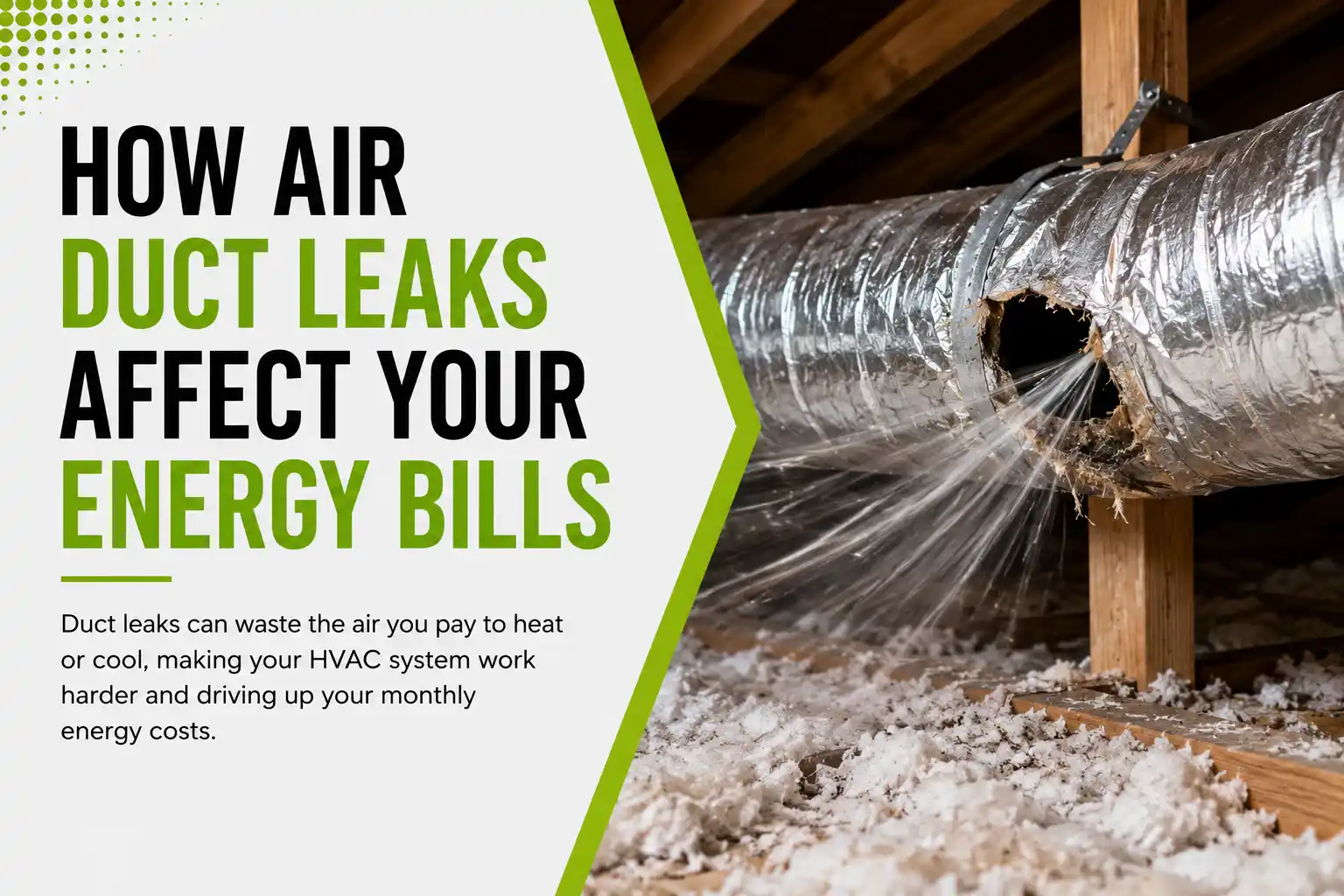
- Leaky duct systems
- Oversized HVAC equipment
- Poor insulation
- Humidity imbalance
- Lack of professional maintenance
- Dirty evaporator and condenser coils
- Restricted airflow inside vents
Life Span of HVAC System Components
The complete life span of hvac system equipment depends on individual component condition as much as the main unit itself. A compressor failure inside an aging AC system can make replacement more cost effective than repair. Furnaces may continue operating while ductwork, blower motors, thermostats, or electrical controls begin failing separately.
Homeowners often replace expensive parts repeatedly without fixing underlying airflow problems. Damaged duct systems reduce efficiency across the entire house and place unnecessary strain on new equipment. In many cases, professional duct inspection services help extend the life of existing systems by restoring balanced airflow and improving air quality. Homeowners concerned about airflow damage should consider scheduling an air duct inspection.
Air Filters and HVAC Life
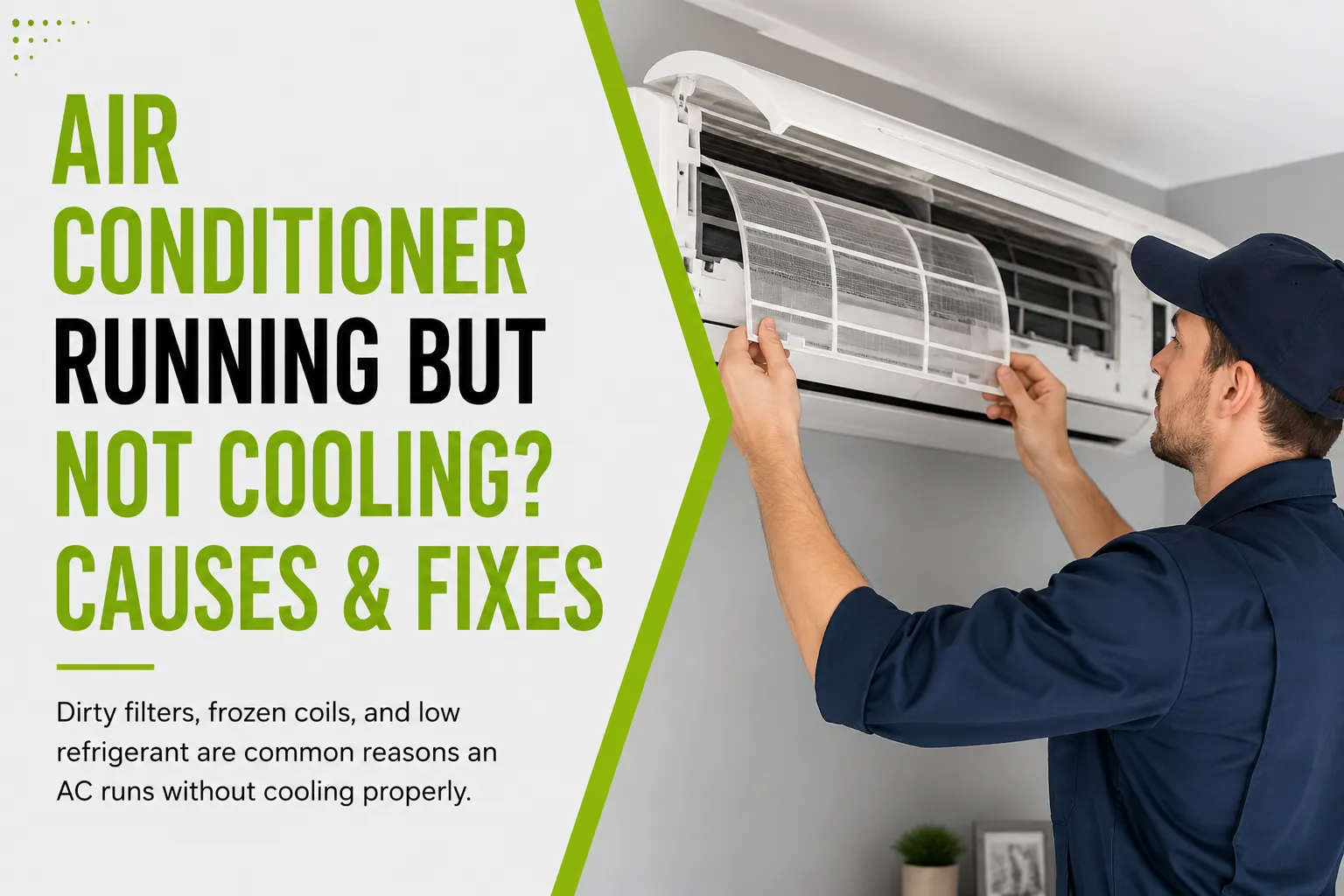
Neglected air filters are one of the fastest ways to shorten hvac life. A clogged filter restricts airflow and causes the blower motor and compressor to operate under stress. This also allows dust buildup inside ductwork and cooling coils, reducing both efficiency and overall comfort inside the home.
Heat Pump Lifespan
A heat pump usually operates year round because it handles both heating and cooling functions. Since the system works during every season, components experience more wear compared to standard furnace systems. Most heat pumps last around 10 to 15 years with proper maintenance and airflow management.
Average Lifespan of Air Conditioner Systems
The average lifespan of air conditioner systems depends heavily on climate and maintenance quality. In hotter regions like Texas, cooling systems run longer throughout the year, which naturally increases wear on compressors and electrical parts. Systems operating continuously without proper cleaning often fail earlier than expected.
Dirty coils, blocked vents, and duct leaks reduce cooling performance while increasing utility costs. Many homeowners notice rising energy bills years before the equipment completely fails. Scheduling professional cleaning and airflow inspections can help restore system efficiency while protecting the remaining life of the equipment. Homeowners struggling with airflow issues may benefit from reviewing these airflow fixes.
Typical Life of AC Unit Versus Replacement Timing
The typical life of ac unit equipment may technically reach 20 years, but operating costs often increase long before complete failure occurs. Older systems lose efficiency gradually, which means homeowners spend more every month on electricity while receiving less cooling performance. Frequent breakdowns also become more common after the 12 to 15 year mark.
Knowing when it is time to replace aging equipment depends on repair frequency, energy costs, and comfort problems. If major repairs continue stacking up while airflow remains poor, replacement may provide better long term value. Older systems using outdated refrigerants also become more expensive to repair as parts availability declines.
HVAC Depreciation Life for Property Owners
HVAC depreciation life matters for landlords, investors, and owners of a residential rental property. Under federal tax guidelines, HVAC improvements are often depreciated using the straight line method over 27.5 years for residential rental property classifications. However, the physical system itself may not realistically operate that long without major upgrades.
Property owners who delay maintenance often face larger replacement costs and tenant comfort complaints. Regular inspections, duct cleaning, and airflow corrections help protect equipment while reducing energy waste. The ASHRAE ventilation standards resource also highlights how airflow and ventilation quality affect system performance and occupant comfort.
Signs Professional Service Is Needed
Many homeowners attempt DIY fixes when systems begin underperforming, but airflow and HVAC problems are rarely solved with basic cleaning alone. DIY repairs often miss hidden duct leaks, static pressure problems, electrical wear, and contaminated vents. Improper cleaning can even damage sensitive HVAC components and reduce system efficiency further.
Professional service becomes necessary when the system struggles to maintain temperature, produces unusual odors, cycles constantly, or causes rising utility bills. Poor airflow also contributes to unhealthy indoor air quality, especially when dust, mold, or debris collect inside duct systems. Homeowners concerned about contamination should review these mold concerns to understand when expert service is necessary.
- Uneven temperatures between rooms
- Excessive dust buildup
- Weak airflow from vents
- Frequent system cycling
- Burning or musty smells
- High humidity indoors
- Rising energy bills
- Repeated repair calls
Why Choose Air N Fire
Homeowners need more than basic HVAC cleaning when dealing with aging systems and airflow problems. Experienced professionals can identify hidden duct leaks, insulation failures, restricted vents, and contamination issues affecting long term equipment performance. Proper inspections help extend equipment life while improving comfort and efficiency throughout the home.
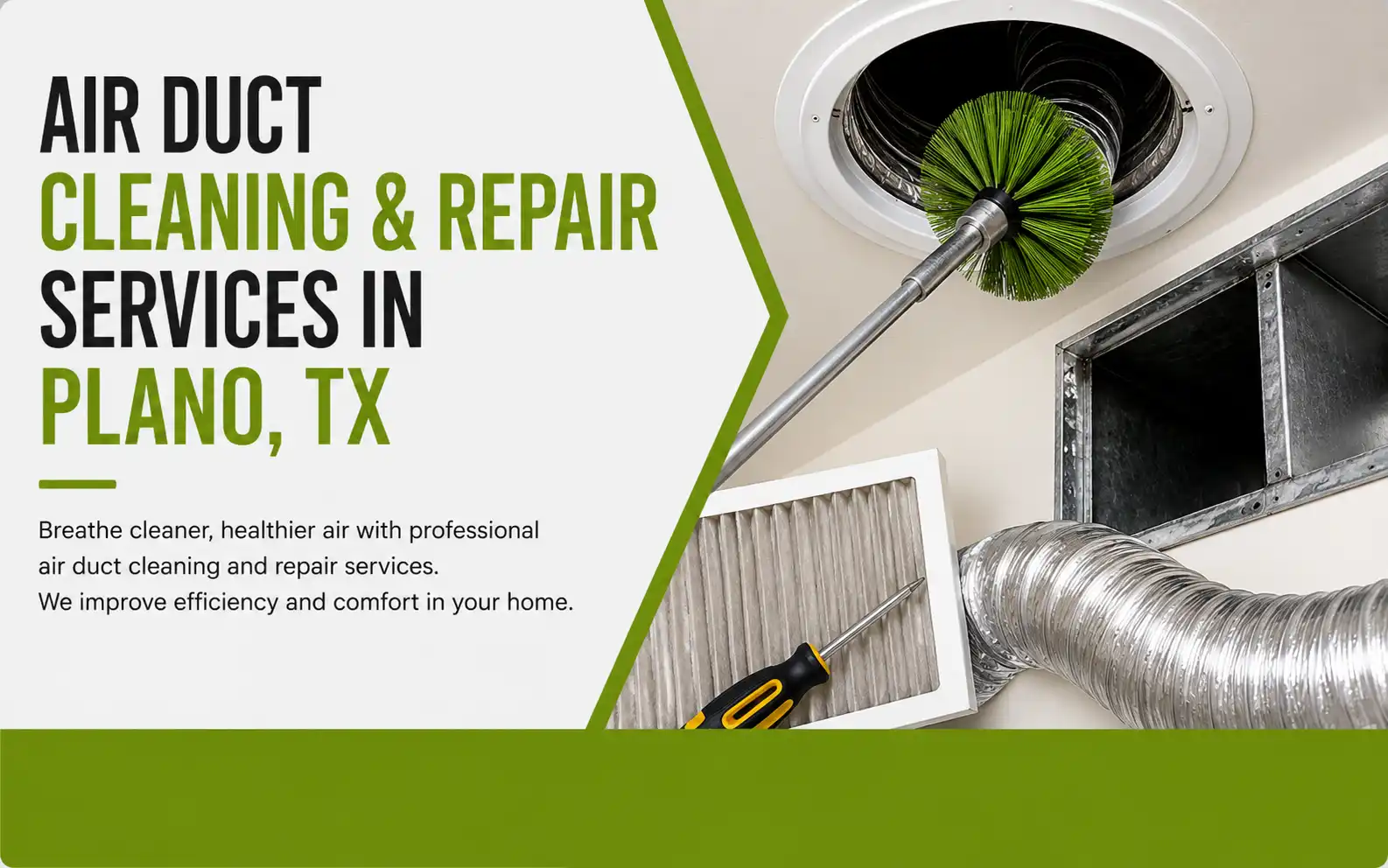
Air N Fire provides detailed duct inspections, airflow diagnostics, cleaning, and repair services designed to support healthier HVAC performance. Whether the goal is extending system life or improving overall comfort, professional service helps homeowners make smarter repair and replacement decisions before expensive breakdowns occur. Homeowners needing full system support can also explore professional duct cleaning services for improved airflow and system efficiency.
Frequently Asked Questions
What is the average lifespan of HVAC system equipment?
The average lifespan of hvac system equipment ranges from 10 to 20 years depending on the system type, maintenance history, and climate conditions. Boilers may last longer, while heat pumps and AC systems usually wear out sooner because they operate more frequently throughout the year.
How long does an HVAC system last with regular maintenance?
How long does an hvac system last often depends on maintenance quality. Systems receiving annual inspections, filter changes, airflow balancing, and coil cleaning can often reach or exceed 20 years while maintaining stronger energy efficiency and fewer costly repair issues.
What reduces HVAC life expectancy the fastest?
Restricted airflow is one of the biggest reasons systems fail early. Dirty air filters, clogged ductwork, neglected maintenance, and oversized systems all reduce hvac life expectancy. Excessive strain on compressors and motors shortens the system’s operating life significantly.
When is it time to replace an HVAC system?
It may be time to replace your HVAC system when repair costs increase, cooling performance declines, or energy bills rise sharply. Older systems with refrigerant issues, airflow problems, and frequent breakdowns often become more expensive to maintain than replace.
How long does a central air conditioner usually last?
A typical central air conditioner lasts around 15 to 20 years with proper maintenance. Systems exposed to extreme heat, poor airflow, and dirty duct conditions may fail sooner due to increased operating stress and declining efficiency.
Does duct condition affect HVAC lifespan?
Yes, damaged or dirty duct systems directly affect the life of your hvac system. Restricted airflow forces equipment to work harder, increasing wear on compressors, blower motors, and electrical components while also reducing indoor comfort and air quality.
What is HVAC depreciation life for rental properties?
For a residential rental property, HVAC systems are commonly depreciated using the straight line method over 27.5 years. However, the physical equipment itself usually requires repairs or replacement much sooner depending on maintenance and usage.
Conclusion
Understanding HVAC system lifespan by type helps homeowners make smarter decisions about maintenance, repairs, and replacement timing. Systems that receive professional inspections, airflow correction, and regular cleaning typically last longer while maintaining better comfort and energy efficiency. When airflow problems, dust buildup, or uneven temperatures start affecting your home, professional evaluation becomes the safest long term solution.
Air N Fire helps homeowners improve HVAC performance through expert duct inspection, cleaning, and repair services designed to protect system life and indoor comfort. To schedule service or learn more, visit Air N Fire.