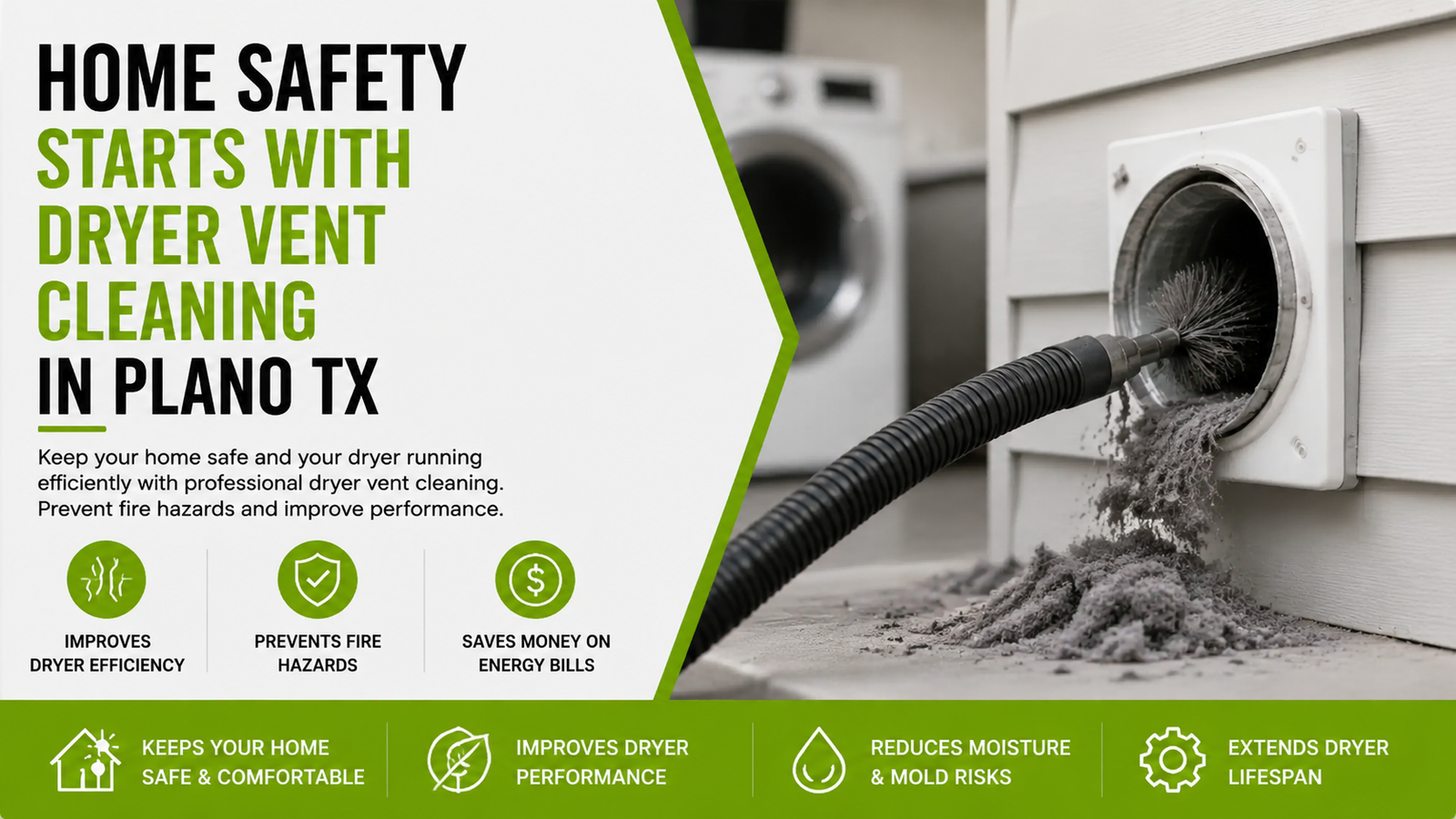


If your dryer takes multiple cycles to dry clothes, you are not alone. Many homeowners struggle with long cycle time, rising energy bills, and frustration on every laundry day. A properly functioning dryer should leave clothes completely dry in a single drying cycle. When that does not happen, it signals airflow restrictions, incorrect dryer settings, or internal system problems.
Ignoring this issue can lead to higher costs and even safety risks. If your dryer not drying in one cycle is becoming routine, it is time to take action. You can start by understanding the causes and exploring solutions like dryer vent repair to restore efficiency.
Why Dryer Performance Problems Matter More Than You Think
When your dryer takes too long to dry, it is not just inconvenient. It impacts your energy usage, appliance lifespan, and clothing quality. Extended exposure to high heat can damage delicate fabrics, shrink clothing, and weaken fibers. Over time, repeated long clothes dryer cycles add unnecessary wear to both your clothes and the dryer itself.
More importantly, restricted airflow from a blocked vent hose or internal lint buildup can create dangerous conditions. Studies from National Institute of Standards and Technology highlight how overheating dryers increase fire risk. If your my dryer takes too long to dry concern persists, it is not just about performance. It is about safety and long-term cost.
According to the U.S. Fire Administration dryer safety guide, clogged vents are a leading cause of dryer fires.
Common Causes Why Your Dryer Takes Multiple Cycles to Dry Clothes
Understanding the root cause is key to fixing the issue. If your dryer taking multiple cycles to dry keeps happening, it usually points to airflow or operational inefficiencies. Many homeowners assume the appliance is failing when, in reality, it is often a fixable issue.
Here are the most common causes behind long cycle dryer performance:
- Clogged vent hose restricting airflow
- Lint buildup inside internal components
- Overloaded drum or improper small loads usage
- Faulty moisture sensor
- Incorrect dryer settings like timed dry vs automatic
- Using the wrong cycle like permanent press cycle for heavy fabrics
Many users also rely on incorrect expectations. Discussions on Reddit home improvement threads reveal that most dryers should complete a load in about 45 minutes under normal conditions. Anything beyond that signals inefficiency.
Practical Fixes to Improve Dryer Efficiency
Before assuming a major repair is needed, several practical adjustments can restore proper function. Fixing dryer takes multiple cycles to dry clothes often starts with improving airflow and optimizing cycle time. These fixes are simple but highly effective when applied correctly.
Begin with airflow. A blocked vent hose is the most common cause. Cleaning lint from the exhaust pathway allows hot air to escape, which is essential for drying. According to Wikipedia dryer mechanics, airflow is the primary factor in evaporation efficiency.
- Clean lint trap after every load
- Inspect and clear the vent hose
- Use proper dryer settings for fabric type
- Avoid mixing heavy items with delicate items
- Switch between air fluff cycle and heat cycles when needed
If lint buildup is severe, consider reading dryer vent signs to identify deeper issues.
Quick Fixes for Faster Drying on Laundry Day
If you need immediate results, a few quick adjustments can reduce drying time significantly. These methods help optimize airflow and heat distribution without requiring major repairs. While they are not permanent fixes, they can improve performance temporarily.
Start by adjusting load size. Overloading restricts airflow, while extremely small loads can confuse the moisture sensor. Aim for balanced loads. Also, avoid using timed dry unnecessarily, as automatic cycles adjust better to moisture levels.
- Shake clothes before loading to prevent clumping
- Use high spin speed in washers dryers
- Switch to high heat for heavy fabrics
- Use air dry for finishing delicate fabrics
- Clean lint filter mid-cycle for large loads
These small adjustments can help ensure clothes come out fully dry without needing repeated cycles.
System-Level Issues That Require Deeper Solutions
When basic fixes do not work, the problem may lie within the dryer system or home ventilation setup. Long vent runs, crushed ducts, or poor installation can significantly impact airflow. In these cases, surface-level cleaning is not enough.
Professional inspection can identify issues such as disconnected ducts, excessive bends, or improper materials. You can explore cleaning methods to understand how professionals handle deep clogs. These system-level fixes restore optimal airflow and prevent recurring problems.
| Problem | Impact | Solution |
| Clogged vent | Long cycle time | Professional cleaning |
| Faulty moisture sensor | Incorrect drying cycles | Sensor replacement |
| Poor duct design | Heat loss | Duct rerouting |
| Overheating | Clothes damage | System inspection |
DIY Fixes vs Professional Dryer Services
Many homeowners attempt DIY solutions first, which is understandable. Cleaning lint traps and adjusting dryer settings can help. However, deeper issues like internal blockages or damaged ducts require specialized tools and expertise.
DIY methods often fail because they only address surface-level lint. Professional services use advanced equipment to clean the entire vent system. If your dryer takes too long to dry even after DIY attempts, it is time to consider expert help. For deeper understanding, you can review repair vs cleaning differences.
Signs You Need Professional Dryer Service
Not every issue requires professional help, but certain warning signs should not be ignored. If your dryer consistently underperforms despite adjustments, it indicates a deeper problem.
Here are clear signs you need professional service:
- Clothes remain damp after multiple cycles
- Burning smell during operation
- Excess heat in laundry room
- Visible lint around vent opening
- Dryer shuts off mid-cycle
If you notice these issues, reviewing vent clog causes can help confirm the need for professional intervention.
Why Homeowners Trust Reliable Dryer Experts
Choosing the right service provider ensures long-term results. Experienced technicians do more than clean vents. They diagnose airflow problems, optimize cycle time, and ensure safe operation.
Air n Fires has built trust by delivering reliable inspections, efficient cleaning, and long-term solutions. Their approach focuses on safety, performance, and customer satisfaction, making them a preferred choice for homeowners dealing with persistent dryer issues.
FAQs About Dryer Cycles and Drying Time
How long is the average dryer cycle?
The average dryer cycle typically lasts 30 to 45 minutes depending on load size and fabric type. Heavy loads may take longer, while delicate fabrics require shorter cycles. Extended times usually indicate airflow or heating issues.
Why is my dryer taking so long to dry clothes?
If you wonder why is my dryer taking so long to dry, the most common causes include clogged vents, overloaded drums, or faulty sensors. Restricted airflow prevents proper moisture removal, forcing multiple cycles to achieve completely dry clothes.
How long does a dryer take to dry clothes?
How long does dryer take to dry clothes depends on load size and settings. Under normal conditions, most loads dry within 45 minutes. Longer times suggest airflow blockage or incorrect dryer settings.
What does more dry setting mean?
The how long is more dry on a dryer setting extends the drying cycle slightly to remove extra moisture. It is useful for thicker fabrics but should not be necessary for every load if your dryer is functioning correctly.
Why is my dryer not drying in one cycle?
If your dryer not drying in one cycle, it likely indicates restricted airflow or a clogged vent hose. Cleaning and proper maintenance usually resolve the issue unless there is a mechanical fault.
How long should a dryer take?
How long should a dryer take depends on fabric type, but most loads should dry within 30 to 45 minutes. Anything longer consistently suggests inefficiency or system problems.
What is the best dryer setting for faster drying?
Using high heat for heavy fabrics and automatic sensor-based cycles ensures efficient drying. Avoid overusing timed dry unless necessary, as it may not adjust properly to moisture levels.
Ready to Fix Your Dryer for Good
If your dryer takes multiple cycles to dry clothes, the problem will not resolve on its own. Simple adjustments can help, but persistent issues require expert inspection. Addressing airflow, vent blockages, and system inefficiencies will restore proper drying performance and protect your home.
Instead of wasting time and energy on repeated cycles, consider scheduling a professional service. You can learn more or book an inspection directly through Air n Fires. A properly functioning dryer saves time, reduces costs, and ensures every load comes out fully dry the first time.