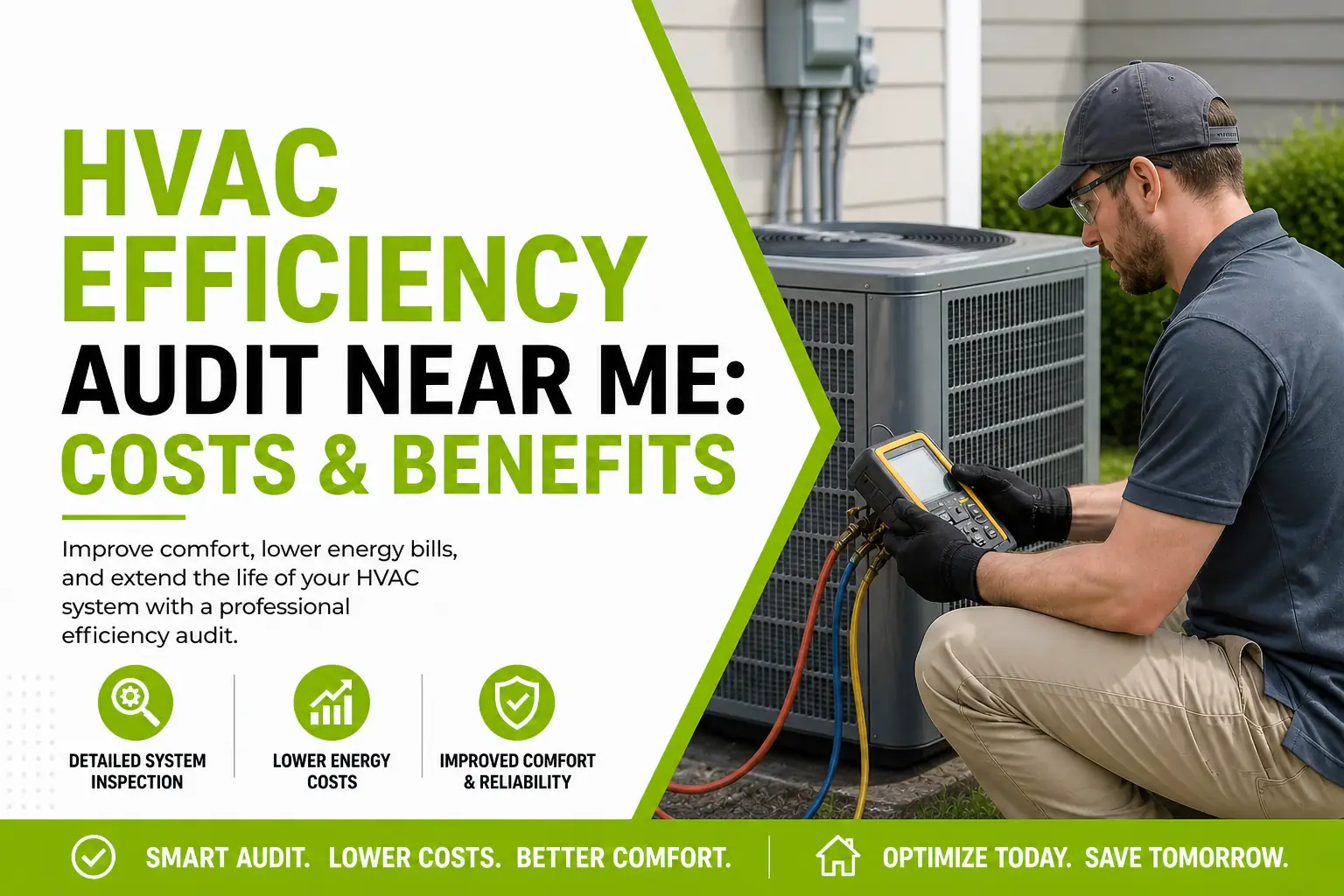

Understanding solar powered HVAC systems pros and cons is essential for homeowners looking to reduce energy bills, cut reliance on grid power, and improve long-term efficiency. As energy costs rise and fossil fuels face increasing scrutiny, more homeowners are exploring solar powered hvac solutions for sustainable air conditioning and heating.
While solar technology promises lower electric bills and a reduced carbon footprint, it also comes with a significant upfront cost and system complexity. Many homeowners attempt DIY upgrades without understanding airflow, duct efficiency, or system sizing, which often leads to poor performance. Before making decisions, it is critical to understand system fundamentals and avoid common mistakes outlined in duct cleaning mistakes.
Why Solar HVAC Systems Matter for Modern Homes
Traditional hvac systems rely heavily on grid power, contributing to rising energy consumption and environmental impact. As temperatures rise, air conditioners become one of the largest energy drains in a home. A solar energy air conditioning system reduces dependence on the grid by converting sunlight into dc power that runs cooling systems more efficiently.
According to U.S. Department of Energy, solar systems can significantly reduce long-term energy costs. Research from MIT highlights efficiency improvements in modern panels.
Solar Powered HVAC Systems Pros and Cons
Before investing, homeowners must evaluate the solar powered HVAC systems pros and cons carefully. While the idea of running air conditioning on solar power is appealing, the actual performance depends on system design, climate, and roof space.
The biggest advantage is reduced energy bills and lower reliance on grid power. However, the upfront cost can be substantial, especially if battery storage is included. Below is a clear comparison.
| Pros | Cons |
| Lower electric bill over time | High upfront cost |
| Reduced carbon footprint | Requires adequate roof space |
| Energy independence from grid power | Performance depends on sunlight |
| Eligible for tax credits | Complex installation and maintenance |
| Long-term ROI potential | Battery storage increases cost |
Main System Options for Solar HVAC
There are multiple ways to integrate solar powered hvac systems into your home. The most common approach is pairing solar panels with high-efficiency ac units or a heat pump. These systems convert solar energy into electricity, powering your air conditioning directly or offsetting usage from the grid.
Another option is hybrid systems that combine solar with traditional grid power. These systems ensure consistent performance during cloudy days while still reducing overall energy consumption. Homeowners searching for solar powered HVAC systems pros and cons texas often prefer hybrid solutions due to extreme summer demand.
- Solar powered ac unit for house using direct solar energy
- Hybrid systems using both solar and grid backup
- Solar-assisted heat pump systems
- Off-grid solar powered ac with battery storage
Fast Ways to Improve Solar HVAC Efficiency
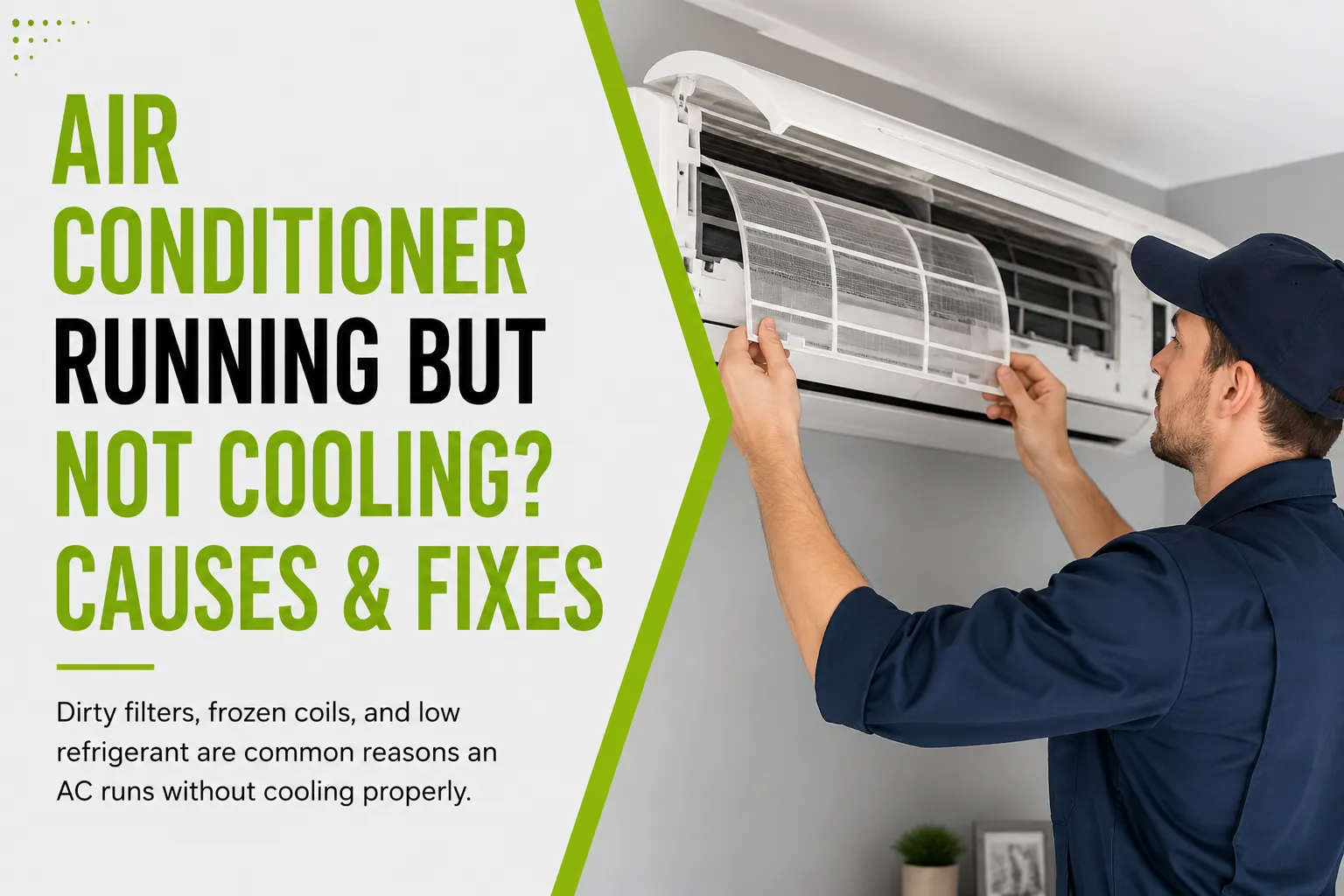
Even the best solar air conditioning unit will underperform if your home has airflow issues or dirty ductwork. Poor airflow forces hvac systems to work harder, increasing energy consumption and reducing solar efficiency gains.
Simple upgrades like sealing ducts, cleaning coils, and improving insulation can dramatically enhance performance. For example, addressing airflow problems discussed in airflow fixes can reduce energy waste and maximize your solar investment.
- Clean coils and filters regularly
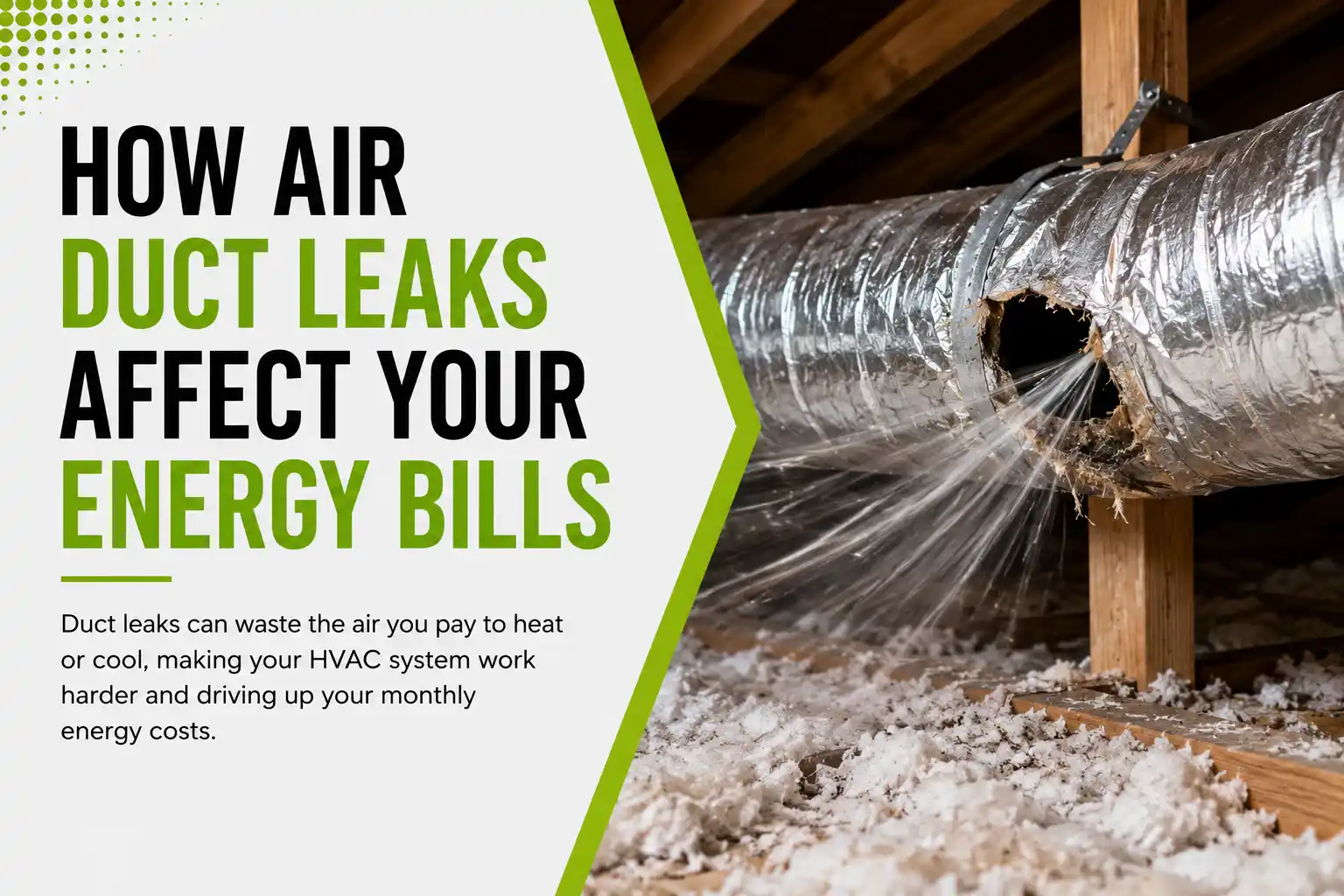
- Seal duct leaks to prevent energy loss
- Upgrade insulation to reduce cooling demand
- Optimize thermostat settings
Home Improvements That Maximize Solar HVAC ROI
Installing a solar powered hvac system without improving your home’s efficiency is a costly mistake. A well-sealed home with proper insulation reduces the load on cooling systems, allowing your solar setup to operate efficiently.
Duct condition is equally important. Leaky or contaminated ducts can reduce efficiency by up to 30 percent. Homeowners considering upgrades should evaluate services like duct cost guide to understand potential improvements before installing solar.
DIY vs Professional Solar HVAC Installation
DIY installation of solar powered HVAC systems may seem cost-effective, but it often leads to system inefficiencies and safety risks. Incorrect sizing, poor wiring, or airflow issues can drastically reduce performance and increase long-term costs.
Professional installation ensures proper integration between solar panels, ac units, and duct systems. Experts calculate load requirements, optimize placement, and ensure compliance with local codes. This is especially important for homeowners searching solar powered HVAC systems pros and cons dallas or nearby regions with extreme weather.
Signs You Need Professional HVAC Evaluation
Not every home is ready for a solar powered ac unit for house. Certain warning signs indicate that your system needs professional evaluation before upgrading. Ignoring these issues can lead to poor performance and wasted investment.
If your air conditioners struggle to maintain temperature or your energy bills are unusually high, it is time to assess your system. Hidden problems like duct leaks or poor insulation can significantly impact solar efficiency.
- Uneven cooling across rooms
- High electric bill despite upgrades
- Poor airflow or hot spots
- Frequent HVAC repairs
Why Homeowners Trust Professional HVAC Experts
Choosing the right service provider makes a major difference in the success of your solar hvac system. Experienced technicians understand how to integrate solar with existing hvac systems while optimizing airflow, insulation, and performance.
Air n Fires focuses on system efficiency, indoor air quality, and long-term performance. Their expertise ensures your investment delivers maximum ROI, whether you are upgrading ductwork, improving airflow, or preparing your home for solar integration.
Frequently Asked Questions
Are solar powered HVAC systems worth it in Texas?
Yes, especially in sunny regions. The solar powered HVAC systems pros and cons texas analysis shows strong ROI due to high cooling demand and abundant sunlight, making solar a practical long-term investment for reducing energy bills.
Can air conditioning run fully on solar power?
Yes, but it depends on system size and battery storage. Many solar power air conditioner for home setups still rely partially on grid power to ensure consistent operation during low sunlight conditions.
What is the average cost of a solar HVAC system?
Costs vary widely based on system size, home efficiency, and installation complexity. The upfront cost can range significantly, but tax credits and long-term savings help offset the investment.
Do solar HVAC systems work at night?
Yes, but typically through grid backup or battery storage. Without storage, your solar powered ac system will rely on traditional electricity when sunlight is unavailable.
How long is the payback period?
Most homeowners see payback within 6 to 12 years, depending on usage, local incentives, and system efficiency. Lower energy consumption accelerates ROI.
Take the Next Step Toward Energy Efficiency
Switching to a solar powered hvac system is not just about installing panels. It requires a full home efficiency strategy. Without proper evaluation, homeowners risk overspending and underperforming systems.
If you are considering solar, start with a professional HVAC assessment. This ensures your system is ready and your investment delivers real savings. Scheduling an inspection today can prevent costly mistakes and maximize long-term efficiency.
Conclusion
Understanding solar powered HVAC systems pros and cons helps homeowners make smarter decisions about energy efficiency, cost savings, and long-term performance. While solar offers significant benefits, success depends on proper system design, home readiness, and professional installation.
For homeowners ready to improve efficiency and explore solar integration, Air n Fires provides expert guidance and HVAC solutions tailored for long-term performance. Take the next step by scheduling a professional evaluation and start reducing your energy costs today.