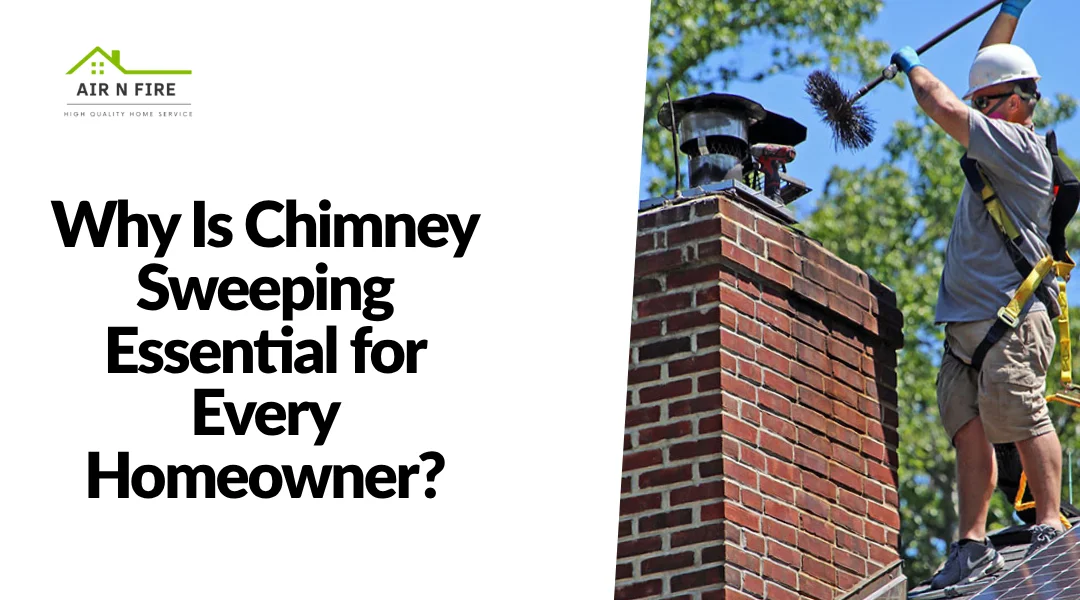

When was the last time you had your chimney cleaned? What you can’t see could be putting your family at risk. A blocked or dirty chimney filled with creosote and soot doesn’t just harm your indoor air quality, but it is a fire hazard waiting to happen.
Regular chimney sweeping improves energy efficiency, prevents costly damage, and keeps your home insurance valid; also, a certified flue cleaning by a CSIA-approved local chimney service is more than preventive care, it is peace of mind.
According to the National Fire Protection Association, homeowners reduce the risk of chimney fires through sweeping. Stay safe. Stay warm. Sweep smart.
Let us look at some benefits of chimney sweeping here:
1. Fire Prevention and Family Safety
Over 25,000 chimney fires occur each year in the U.K., and most are caused by creosote; this sticky, combustible byproduct of wood burning adheres to chimney walls and accumulates over time. If not removed, it turns your cosy fireplace into a potential fire hazard for you and your family.
A certified chimney sweep removes soot and creosote, clears the flue, and ensures safety measures like a spark arrestor and fire-resistant sealant are installed.
Regular chimney maintenance not only prevents dangerous fires but also improves heating efficiency and keeps indoor air cleaner during the winter months. Learn more about warning signs in Signs You Need A Chimney Cleaning to avoid hidden dangers.
2. Cost Savings on Long-Term Repairs
Preventive Chimney maintenance is always cheaper than repairing major damage. Cracks, moisture buildup, or deteriorating mortar can cost thousands to fix if ignored. Regular Chimney Sweeping identifies these problems early and prevents water intrusion and masonry decay.
Replacing liners or repairing brickwork can be expensive keeping your chimney clean avoids such large-scale repairs. Proper upkeep extends the structure’s life and protects your investment.
For pricing details, check Chimney Sweeping and Cleaning Cost to understand how maintenance now saves future expenses.
3. Better Indoor Air Quality and Health Protection
You may be breathing more hazardous air than you realize due to dirty chimneys that can circulate carbon monoxide, smoke, and mold spores back into your home.
The invisible, toxic particles can cause respiratory issues, allergies, and more serious health problems, especially if someone in your household is sensitive; that air isn’t just unpleasant, it’s dangerous.
Homeowners in North Texas can also explore chimney sweep services in Plano and nearby areas for reliable service.
4. Improved Fireplace Efficiency and Fuel Savings
If your fire takes too long to ignite or keeps going out, your chimney may be the cause. Blocked drafts and poor airflow make the fire struggle for oxygen, wasting fuel and pushing smoke indoors.
A clean, unobstructed chimney improves draw, enhances fuel efficiency, and reduces heat loss through the flue. You will notice warmer rooms, fewer smoky odors, and better overall energy use. For anyone relying on their fireplace, regular chimney sweeping is a must to maintain optimal heat output and performance during cold seasons.
5. Ensures Compliance with Insurance and Safety Codes
Don’t risk a rejected claim, as most home insurance policies require proof of annual chimney maintenance and without a valid inspection certificate, you could end up paying the bill after a fire or structural problem.
Certified Chimney sweep services not only keep you compliant but also ensure your system meets safety codes and performance standards. It’s not just smart it’s necessary.
Table Summary of Benefits
Let’s quickly recap what makes chimney sweeping an all-important homeowner habit. Below is a clear breakdown of why it matters: today, tomorrow, and long into the future.
| Benefit | Description | Long-Term Effect |
| Fire Safety | Prevents creosote fires | Avoids catastrophic damage |
| Air Quality | Reduces smoke, CO, and allergens | Promotes health |
| Cost Prevention | Avoids expensive structural repairs | Protects chimney integrity |
| Efficiency | Improves airflow and fuel use | Lower energy bills |
| Insurance Compliance | Meets requirements for claims | Avoids policy issues |
How does Chimney Sweeping Support Masonry Longevity?
Sweeping helps detect issues before it’s too late because beneath the soot may lie unseen structural damage. Over time, mortar joints crumble, bricks crack, and flashing wears thin, especially when hidden under layers of debris.
Regular cleanings can expose these weaknesses early, preserving the chimney liner and avoiding costly masonry repointing; this proactive care extends the life of your chimney.
Difference Between Chimney Sweeping and Chimney Inspection
Chimney inspection and sweeping go hand in hand, but they are not the same. Why do you need both? Sweeping clears the soot, while a camera inspection or video scope reveals what the eye can’t see.
Only a CSIA-certified inspector can ensure your flue, liner, and structure are fully safe and up to code; this added level of care gives homeowners peace of mind throughout the heating season. For added insight into the Difference Between Chimney Sweep and Cleaning, check this guide: Difference Between Chimney Sweep and Cleaning.
Why Should New Homeowners Prioritize Chimney Sweeping First?
Have you just moved in a new house? Before lighting your first fire, make sure your chimney is safe. Many homes pass general inspection, but a fireplace needs a focused assessment.
A pre-move Chimney inspection and cleaning guarantees a safe, efficient fireplace for years to come. Homeowners in Collin County can explore chimney sweep in Allen for trusted local service.
Comparison of Clean vs. Neglected Chimney
Here is a visual snapshot to help you make a smarter decision about chimney care; this side-by-side comparison reveals the clear difference regular sweeping can make, both in comfort and cost.
| Feature | Clean Chimney | Neglected Chimney |
| Fire Risk | Minimal | High |
| Heating Efficiency | Optimal | Poor |
| Air Quality | Clean and breathable | Polluted |
| Repair Costs | Low | High |
| Insurance Compliance | Fully Compliant | At Risk of Denial |
As the table shows, sweeping your chimney regularly translates to lower costs, greater comfort, and peace of mind. When you factor in heating efficiency, clean and breathable air, and the potential for high repair costs, the choice becomes crystal clear.
FAQs About Chimney Sweeping
1. How often should a chimney be swept?
Chimneys should be swept once a year or after burning one full cord of wood. Most experts agree that annual sweeping is a must. According to the CSIA and NFPA, chimneys should be inspected yearly, no matter how often you use your fireplace. It is the beginning of winter prep.
2. What are the signs your chimney needs sweeping?
If smoke starts backing up, there is a strong odour, or you see black soot, your chimney is crying for help. Warning signs, such as poor airflow, hard-to-start fires, and creosote buildup, are red flags, which means your chimney could be blocked, and that is not safe.
3. Can I sweep my chimney myself?
Yes, you technically can clean chimneys yourself, but should you? That’s a story for another day. DIY kits are out there, but they don’t catch everything. Regarding fire safety, it is best not to cut corners and utilize professional sweeps who use industrial tools, cameras, and experience to do the job right.
4. How much does chimney sweeping cost?
On average, chimney sweeping costs between $100 and $300. Most homeowners spend around $150, depending on where they live and the chimney’s condition. Add-ons like inspections or bird cap installations might bump the total up, but the average cost is between $120 and $250.
5. What happens during a chimney sweep?
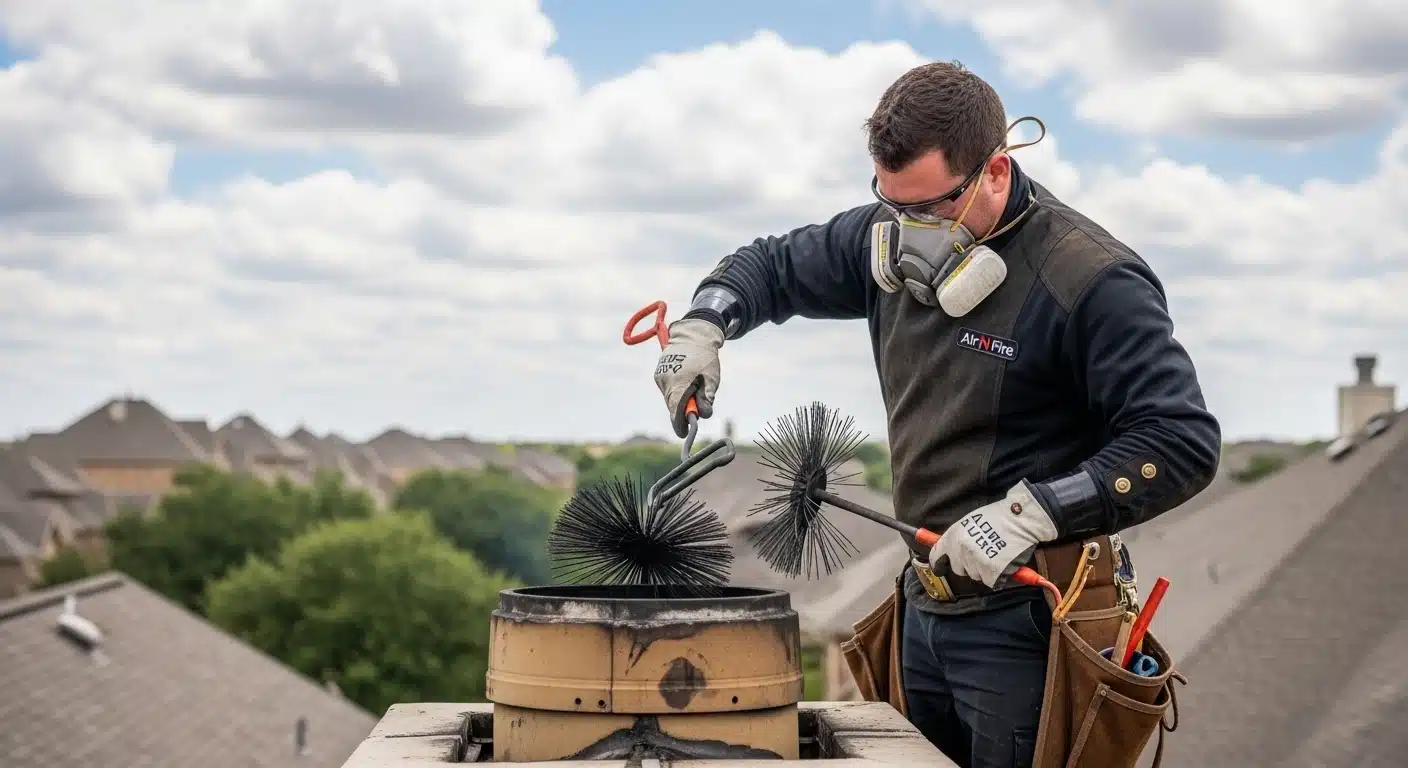
A professional will brush and vacuum out soot, creosote, and debris, sometimes using video scopes for a closer look. They will also check for cracks, blockages, or even bird nests. Apart from cleaning, it is also a full health check for your chimney system.