
If you are searching for answers about how rodents enter through ductwork, you are likely already hearing scratching noises, smelling unusual odors, or noticing poor air quality inside your home. Rodents can move through hidden pathways inside walls, attics, and hvac systems, eventually settling into your air ducts. Once inside, they contaminate airflow, damage insulation, and create serious health concerns for families. Many homeowners do not realize how quickly a small problem can become a major rodent infestation. Understanding how rodents enter duct systems is the first step toward protecting your home and your indoor environment.
Rodents often enter homes through tiny structural gaps, damaged vent opening areas, disconnected duct joints, or exposed spaces around utility lines. Over time, mice in hvac ducts and rats can spread debris, bacteria, and allergens throughout your home through circulating air. Homeowners wondering whether professional cleaning is necessary can learn more through air duct cleaning benefits and how proper inspections help prevent long-term contamination issues.
Why Rodents in Ductwork Are a Serious Problem
A hidden mouse in air vent areas may seem minor at first, but rodents create widespread contamination once they enter enclosed duct systems. They chew insulation, scratch flexible duct liners, and leave droppings throughout the ventilation network. As your HVAC system circulates air, contaminated particles spread into bedrooms, living spaces, and kitchens. This can worsen allergy symptoms, trigger respiratory irritation, and reduce overall indoor air quality.
Many homeowners first notice strange smells or scratching sounds before discovering mice in ductwork. Rodents are attracted to warm, enclosed spaces where food particles, dust buildup, and moisture exist. In many homes, attics, basements, and the crawl space provide easy access into return ducts or disconnected vents. Once rodents settle inside, nesting materials and waste buildup can damage airflow performance and strain heating and cooling equipment.
How Rodents Damage HVAC Systems
Rodents constantly chew to keep their teeth from overgrowing. Inside hvac systems, they may chew wiring, duct insulation, vapor barriers, and flexible duct tubing. A single rat in ductwork can cause expensive damage that affects airflow efficiency and indoor comfort. Over time, damaged ducts also allow dust, moisture, and rodents and other pests to enter more easily.
How Rodents Enter Through Ductwork
Understanding how rodents enter through ductwork requires identifying common structural weaknesses throughout the home. Mice can squeeze through openings as small as a dime, while rats only need gaps slightly larger than a quarter. Exterior cracks near foundations, roof penetrations, attic vents, disconnected ducts, and damaged vent covers all create entry opportunities. Once inside walls or attic spaces, rodents naturally explore warm air channels connected to HVAC systems.
In many homes, aging duct systems contain loose connections or deteriorated seals. These weak areas allow rats in ac ducts to enter through attics, garages, or utility access points. Flexible duct materials are especially vulnerable because rodents can tear through softer insulation layers. Homes with neglected maintenance or dirty vents also attract pests more easily because food particles and dust buildup create favorable nesting conditions.
- Damaged vent covers around exterior openings
- Gaps around plumbing and electrical penetrations
- Unsealed attic access points
- Disconnected duct joints in basements or attics
- Openings inside the crawl space
- Loose return air connections
Homeowners dealing with recurring airflow contamination should also review signs of hidden buildup through dirty air ducts to identify early warning indicators before larger HVAC problems develop.
Signs of Mice in Air Ducts
The most common signs of mice in air ducts begin with noises inside walls or ceilings, especially at night. Homeowners may hear scratching, running, or chewing sounds near air vents when rodents move through duct pathways. A strong musky odor often develops as waste accumulates inside vents. In severe infestations, airflow may carry unpleasant smells into multiple rooms whenever the HVAC system runs.
Another warning sign includes visible droppings near supply registers or around attic duct connections. Rodents often travel between nesting areas and food sources repeatedly, leaving contamination trails behind. Dust buildup around vents may increase due to damaged insulation or nesting debris circulating through the system. Some homeowners also experience worsening allergy symptoms or respiratory irritation because contaminated airflow spreads bacteria and allergens indoors.
| Warning Sign | Possible Cause | Risk Level |
| Scratching noises | Mouse in air vent activity | Moderate |
| Foul odors from vents | Droppings or nesting materials | High |
| Reduced airflow | Nests blocking ducts | Moderate |
| Dust around vents | Damaged insulation or debris | Moderate |
| Persistent allergies | Contaminated indoor air | High |
The EPA explains how contaminated ventilation systems affect indoor environments and health conditions through its indoor air quality guidance at EPA Indoor Air Quality.
Fast Solutions for Removing Rodents From Ductwork
Quick action is important when dealing with mice in hvac ducts because rodents reproduce rapidly. Homeowners often begin with traps placed near suspected entry areas. Snap traps baited with peanut butter are commonly used because they are effective in enclosed areas near attic access points or basements. However, trapping alone rarely solves the full problem because hidden entry points remain open.
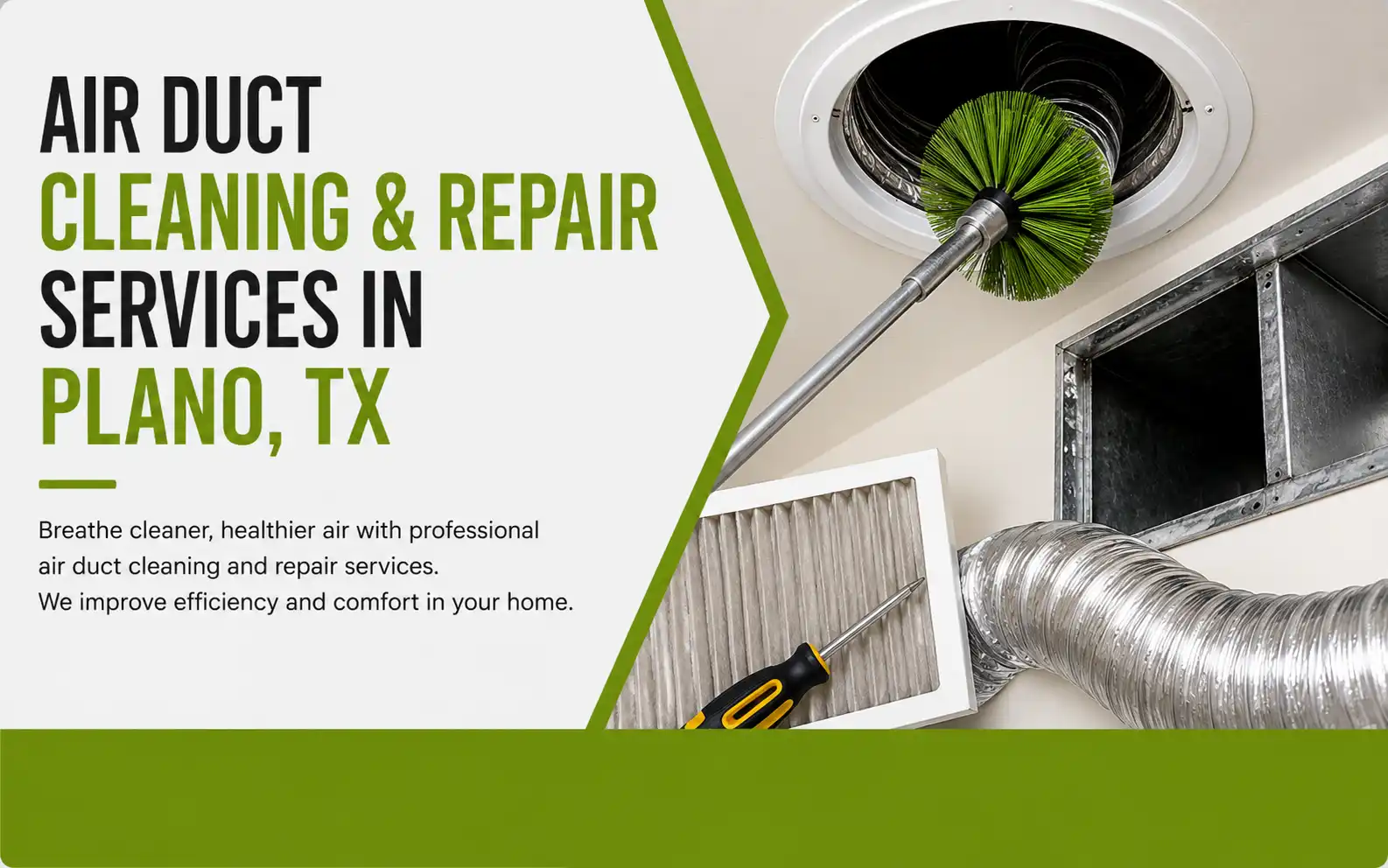
Professional hvac rodent removal typically involves inspection cameras, contamination assessment, entry-point sealing, and complete duct cleaning. Removing nests and waste without proper containment can spread airborne contaminants into living areas. Professional cleaning equipment helps remove bacteria, insulation debris, and odors safely while restoring healthier airflow throughout the HVAC system.
- Seal visible entry points immediately
- Replace broken or loose vent covers
- Inspect attic and crawl space connections
- Schedule professional duct cleaning
- Remove nesting materials safely
- Sanitize contaminated vents and ducts
The University of California Integrated Pest Management program provides additional guidance on rodent prevention and exclusion methods at UC IPM Rodent Prevention.
Long-Term Rodent Proof Ductwork Solutions
Preventing future infestations requires more than temporary trapping. True rodent proof ductwork involves improving weak areas throughout the home while reinforcing HVAC protection. Metal mesh barriers, reinforced duct insulation, upgraded vent screens, and properly sealed return air systems all help reduce rodent access opportunities. Homes with older flexible duct materials may require replacement sections to eliminate chew damage.
Many homeowners also overlook how landscaping contributes to infestations. Tree limbs touching roofs, overgrown shrubs near foundations, and cluttered storage around exterior walls create safe travel routes for rodents. Routine inspections around attic vents, utility penetrations, and the crawl space help identify vulnerabilities before rodents enter the HVAC system again.
Why Airflow Problems Attract Rodents
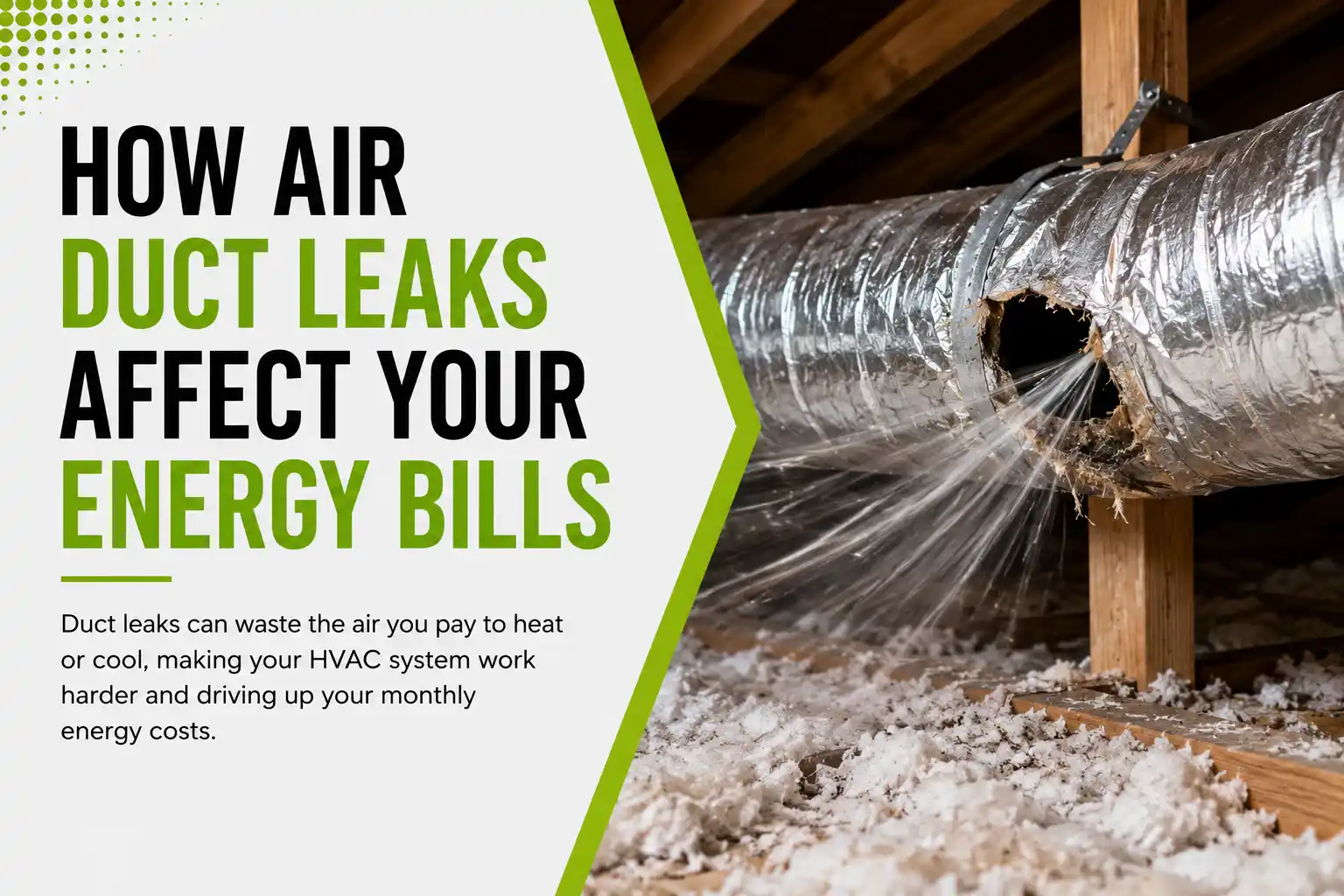
Poorly maintained ventilation systems often collect dust, moisture, and debris that attract pests. Leaking ducts may create warm condensation zones that rodents seek for shelter. Homeowners dealing with airflow imbalance or excessive moisture can learn more about improving HVAC performance through airflow efficiency fixes and preventing hidden system damage.
DIY vs Professional HVAC Rodent Removal
DIY trapping methods can help reduce visible rodent activity, but most homeowners cannot fully inspect hidden duct pathways without specialized tools. Rodents often nest deep inside enclosed sections where contamination spreads unnoticed. Attempting to remove nests without proper protective equipment may expose homeowners to bacteria, airborne particles, and strong odors trapped inside ventilation systems.
Professional pest control and HVAC specialists combine exclusion work, sanitation, and airflow restoration together. Experienced technicians inspect damaged duct sections, locate hidden entry points, and identify moisture problems that contribute to infestations. Professional service also helps prevent recurring contamination that continues affecting air quality long after rodents appear to be gone.
| DIY Removal | Professional Service |
| Basic trap placement | Complete system inspection |
| Limited access to ducts | Advanced inspection equipment |
| Temporary results | Long-term prevention |
| No sanitation process | Full contamination cleaning |
| Higher reinfestation risk | Sealed entry protection |
Homeowners researching contamination cleanup should also review duct sanitizing methods that help restore healthier airflow after rodent removal.
Signs Professional Service Is Needed Immediately
Some infestations become severe enough that immediate professional attention is necessary. Persistent odors, visible droppings near vents, or repeated rodent activity usually indicate hidden nesting deep inside the HVAC system. If you continue hearing movement after setting traps, the infestation may extend into inaccessible attic or wall duct pathways.
Homes with respiratory sensitivity, asthma concerns, or worsening allergy symptoms should not delay professional inspection. Contaminated airflow can continue spreading bacteria and allergens throughout living spaces long after rodents leave behind waste and nesting debris. In severe cases, damaged duct insulation and airflow leaks may require repair or replacement to restore safe system operation.
- Strong odors coming from vents
- Repeated rodent sightings indoors
- Visible droppings around registers
- Chewed insulation or duct materials
- Poor airflow from multiple vents
- Persistent contamination after trapping
Why Homeowners Choose Professional Duct Specialists
Experienced technicians understand how rodents interact with ventilation systems and how contamination spreads through airflow networks. Proper inspections involve checking attics, basements, vent seals, return air pathways, and hidden duct connections. High-quality remediation also includes sanitation and airflow restoration instead of simply trapping rodents and leaving contamination behind.
Many homeowners trust Air n Fires because the company focuses on complete HVAC system care rather than surface-level cleaning. Their team helps identify hidden damage, restore cleaner airflow, and reduce the risk of recurring infestations. Homeowners concerned about contamination, odor removal, or damaged ducts can also schedule an air duct inspection to identify hidden HVAC problems early.
FAQs About Rodents in HVAC Ducts
What are the most common signs of mice in air ducts?
The most common signs of mice in air ducts include scratching noises, foul odors, visible droppings near vents, and increased allergy irritation. Some homeowners also notice reduced airflow or dust buildup caused by nesting materials inside the duct system.
Can a mouse in air vent areas affect indoor air quality?
Yes. A mouse in air vent areas can spread bacteria, allergens, and waste particles through circulating airflow. This contamination may worsen respiratory irritation, trigger allergies, and reduce overall air quality throughout the home.
How do mice get into HVAC ducts?
Mice in hvac ducts usually enter through damaged vent covers, attic gaps, crawl space openings, or disconnected duct sections. Small cracks near utility lines and roofing penetrations also create easy access into ventilation systems.
Is rat in ductwork dangerous for homeowners?
Yes. A rat in ductwork can damage insulation, chew electrical wiring, contaminate vents, and spread harmful bacteria through the HVAC system. Large infestations may also reduce airflow efficiency and create persistent odors inside the home.
Does HVAC rodent removal include duct cleaning?
Professional hvac rodent removal often includes inspection, trapping, contamination cleanup, sanitation, and complete duct cleaning. Cleaning is important because rodents leave behind waste, nesting debris, and harmful contaminants inside the ventilation system.
How can homeowners prevent rats in AC ducts?
Preventing rats in ac ducts requires sealing entry points, replacing damaged vent covers, trimming vegetation near the home, and maintaining clean duct systems. Routine HVAC inspections also help identify structural vulnerabilities before infestations develop.
What is rodent proof ductwork?
Rodent proof ductwork refers to reinforced ventilation systems designed to resist rodent entry and damage. This may include metal vent screens, sealed duct joints, upgraded insulation protection, and stronger exterior vent barriers.
Schedule Professional Rodent and Duct Inspection Services
Rodents inside HVAC systems rarely disappear without addressing contamination and structural access points together. Delaying repairs may allow odors, airflow problems, and hidden contamination to spread throughout the home. Professional inspection helps identify damage early while restoring safer, cleaner airflow for your family.
Conclusion
Understanding how rodents enter through ductwork helps homeowners prevent costly HVAC damage, poor air quality, and recurring infestations. Rodents exploit weak duct connections, damaged vents, and hidden entry gaps throughout the home. Fast inspection, proper sanitation, and long-term prevention strategies are essential for restoring healthy airflow and protecting your property. If you suspect rodents inside your ventilation system, contact Air n Fires to schedule a professional inspection and customized cleaning solution.