
Many homeowners ask, can HVAC spread bacteria, especially when family members experience coughing, allergies, congestion, or recurring respiratory irritation indoors. While most modern hvac system setups are designed to improve comfort and air circulation, neglected ductwork, moisture buildup, dirty coils, and contaminated filters can contribute to unhealthy indoor air. In some situations, harmful contaminants such as mold spores, dust mites, and even legionella bacteria may circulate through poorly maintained ac systems. Understanding how contamination develops is the first step toward protecting your home and health. Homeowners researching maintenance costs often compare options through duct cleaning pricing before scheduling service.
Concerns about covid spread through hvac systems, airborne illnesses, and allergy-related symptoms have increased in recent years. While HVAC systems do not create viruses or bacteria on their own, they can sometimes move contaminated particles throughout living spaces when airflow, humidity, and filtration are poorly managed. This article explains the real risks, warning signs, health symptoms, and practical ways to improve air quality before indoor contamination becomes a larger issue.
Why HVAC Bacteria and Indoor Air Problems Matter
When homeowners notice recurring headaches, fatigue, coughing, or sore throats, they often blame weather changes or seasonal allergies. However, contaminated air conditioning systems may contribute to these problems by continuously circulating allergens, dust, and microbial particles. Dirty evaporator coils, standing water, clogged drain pans, and moisture inside ducts create ideal conditions for bacteria in ac unit components to develop over time. Poor ventilation can worsen the problem, especially in tightly sealed homes where people spend time indoors for long periods.
Some people also wonder whether air conditioning and colds are connected. Air conditioners do not directly cause colds, but excessive cold air, dry indoor conditions, and contaminated airflow can irritate the respiratory system and weaken comfort levels. Individuals with asthma, allergies, or weakened immunity may become more sensitive to dirty indoor environments. According to the U.S. Environmental Protection Agency, indoor air pollution can significantly affect respiratory health when ventilation and filtration are neglected.
Can HVAC Systems Actually Spread Bacteria?
The short answer is yes, under certain conditions. A neglected hvac system can circulate contaminated particles through vents and living spaces. This does not mean all systems are dangerous, but moisture accumulation and organic debris inside ductwork may encourage microbial growth. When homeowners ignore maintenance for years, ac bacteria, fungal spores, dust buildup, and allergens may spread repeatedly during system operation. This is especially common in humid climates where condensation remains trapped in duct systems.
One major concern involves legionella bacteria, which thrive in warm water environments and contaminated water systems. Exposure usually occurs through contaminated water droplets rather than through standard home ducts alone. However, commercial cooling equipment such as cooling towers, poorly maintained humidifiers, and certain large-scale systems may increase the risk of being exposed to legionella. The illness linked to this bacteria includes Legionnaires’ disease and pontiac fever, both respiratory conditions associated with contaminated moisture particles.
How Contamination Develops Inside HVAC Systems
Most contamination starts with moisture. Condensation around evaporator coils, blocked drain lines, dirty filters, and damaged insulation allow organic material to remain damp for extended periods. Once moisture combines with dust and debris, bacteria and mold can grow rapidly. Homeowners dealing with persistent odor or visible dust near vents often benefit from scheduling duct warning signs inspections before contamination spreads further.
Common Health Symptoms Linked to Dirty HVAC Systems
Many symptoms connected to dirty ventilation systems resemble seasonal illnesses, which is why homeowners often overlook the real cause. Air conditioning sickness symptoms may include sneezing, coughing, eye irritation, headaches, sinus congestion, fatigue, and respiratory discomfort. Individuals with allergies or a weakened immune system are especially vulnerable because contaminated airflow can continuously irritate the lungs and upper respiratory tract.
Some homeowners also ask, can cold ac make you sick. Extremely cold airflow does not directly create infections, but it can dry the nasal passages and increase irritation. If dirty ducts are involved, contaminants may worsen respiratory symptoms even more. In severe situations involving microbial contamination, individuals may experience fever-like symptoms, breathing difficulty, or prolonged coughing that should be evaluated medically. Stanford University research discussing indoor environmental quality highlights how ventilation conditions affect respiratory comfort and indoor wellness.
| HVAC Issue | Possible Health Effect | Recommended Solution |
| Dirty air filters | Dust irritation and allergies | Replace filters regularly |
| Moisture in ducts | Mold spores and odor | Professional duct inspection |
| Dirty coils | Reduced airflow and contamination | Coil cleaning service |
| Poor ventilation | Stale indoor air | Airflow balancing |
| Standing water | Bacterial growth risk | Drain line cleaning |
Fast Solutions to Improve Indoor Air Quality
Homeowners experiencing airflow problems or recurring respiratory irritation should start with immediate maintenance improvements. Replacing dirty filters every one to three months can significantly reduce airborne contaminants. Keeping humidity levels balanced also helps prevent bacterial and mold growth inside vents and equipment. Cleaning visible dust buildup around registers improves airflow while reducing circulating debris inside the home.
Another important step involves inspecting evaporator coils and condensate drain lines for standing moisture. Dirty coils frequently contribute to odor, humidity, and airflow restrictions. Homeowners wanting a deeper understanding of ventilation hygiene often review duct sanitizing methods to determine when disinfection and deep cleaning become necessary. While small maintenance tasks help temporarily, serious contamination usually requires professional equipment and inspection tools.
- Replace HVAC filters regularly
- Keep humidity between 30% and 50%
- Schedule annual HVAC inspections
- Clean drain pans and drain lines
- Seal duct leaks to reduce moisture intrusion
- Use high-quality filtration systems
System Improvements That Reduce Bacteria and Airborne Contaminants
Long-term indoor air quality improvements usually require more than surface cleaning. Aging ductwork, damaged insulation, poor airflow balance, and hidden moisture issues allow contaminants to return repeatedly. Modern filtration upgrades, UV purification systems, and airflow balancing can improve system performance while reducing airborne particles throughout the home. Homeowners experiencing recurring humidity issues may also need insulation adjustments or ventilation improvements to control moisture levels effectively.
Professional duct inspections help identify hidden contamination sources that homeowners cannot easily access. Damaged ducts, disconnected vents, and mold inside concealed areas often go unnoticed for years. Homeowners researching whether cleaning is worthwhile frequently compare expert opinions through cleaning value resources before scheduling service. Proper maintenance not only improves air quality but also helps HVAC systems operate more efficiently and consistently.
Can Air Conditioner and Pneumonia Risks Be Connected?
The phrase air conditioner and pneumonia is commonly searched because certain bacterial illnesses, including Legionnaires’ disease, can develop from contaminated water droplets in poorly maintained systems. Residential systems rarely cause severe infections, but neglected commercial systems, contaminated humidifiers, and standing water environments increase risks. The Centers for Disease Control and Prevention explains that reducing moisture buildup and maintaining ventilation equipment are key preventive steps.
DIY Cleaning vs Professional HVAC Service
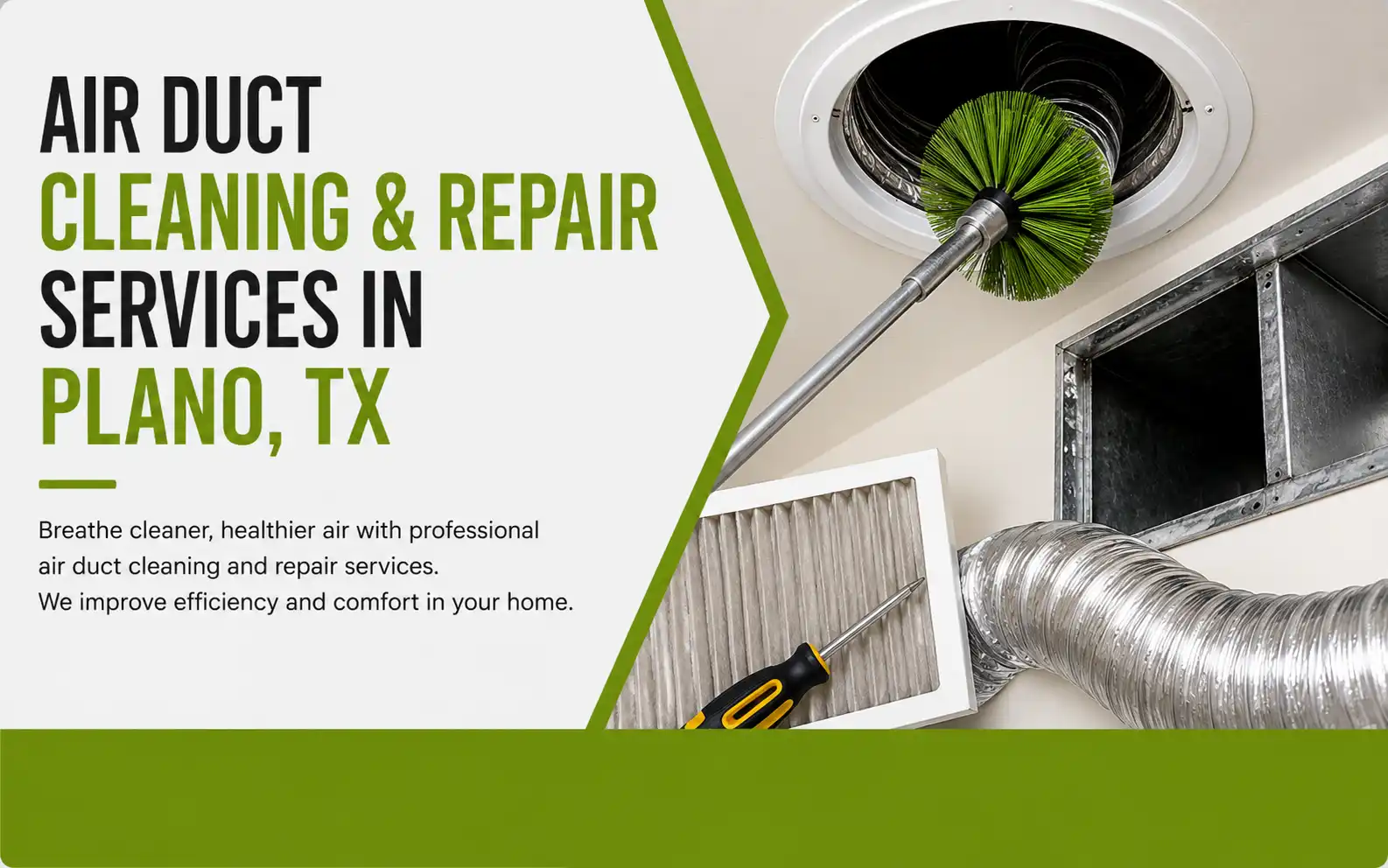
DIY maintenance can help with minor dust reduction, but most homeowners lack the tools needed to fully clean internal duct systems, evaporator components, and ventilation pathways. Vacuuming visible vents or replacing filters may improve airflow temporarily, yet hidden contamination often remains inside inaccessible duct sections. Improper DIY cleaning can even damage flexible duct materials or spread contaminants further throughout the home.
Professional HVAC and duct cleaning services use specialized vacuums, rotary brushes, negative pressure systems, and inspection cameras to remove deep contamination safely. Trained technicians also identify moisture issues, damaged seals, and microbial growth that homeowners typically miss. The National Air Duct Cleaners Association provides industry guidance on proper source-removal cleaning standards through NADCA resources.
- DIY cleaning handles only surface debris
- Professional cleaning removes hidden contamination
- Experts inspect moisture and mold risks
- Technicians evaluate airflow efficiency
- Professional tools prevent duct damage
Signs Professional HVAC Cleaning Service Is Needed
Persistent odors, visible dust discharge, allergy flare-ups, and inconsistent airflow often indicate deeper contamination inside the system. Homeowners who notice black residue near vents or excessive dust shortly after cleaning should schedule a professional inspection. Recurring humidity problems may also signal hidden duct leakage or condensation buildup that supports bacterial growth over time.
Another warning sign involves repeated respiratory discomfort whenever the HVAC system starts running. If symptoms improve outside the home but worsen indoors, contaminated airflow could be contributing to irritation. Homeowners dealing with excessive dust accumulation sometimes review duct health risks before booking inspections. Professional testing and cleaning help identify whether ventilation problems are affecting indoor comfort and air quality.
Why Homeowners Choose Air n Fires
Homeowners looking for reliable indoor air quality improvement often want more than basic surface cleaning. They need experienced technicians who understand airflow performance, moisture control, filtration, and contamination prevention. Air n Fires provides detailed inspections, duct cleaning solutions, airflow evaluations, and ventilation services designed to improve home comfort while reducing contamination risks inside HVAC systems.
The company focuses on long-term solutions rather than quick cosmetic cleaning. Whether the issue involves dust buildup, airflow imbalance, hidden moisture, or microbial concerns, professional inspection helps identify the real cause before it becomes more expensive. Service technicians also help homeowners understand maintenance schedules, filtration upgrades, and preventive care strategies that support healthier indoor environments year-round.
FAQs About HVAC Bacteria and Air Conditioning Illness Risks
Can air conditioning and colds be connected?
Air conditioning and colds are not directly linked because viruses cause colds, not HVAC systems. However, dirty filters, dry air, and poor ventilation can irritate airways and make respiratory discomfort feel worse indoors.
Can cold AC make you sick during summer?
Can cold ac make you sick is a common question because cold airflow may trigger throat irritation, dry sinuses, and discomfort. Extremely cold indoor temperatures can stress sensitive respiratory systems, especially when air quality is already poor.
Can air conditioning cause flu-like symptoms?
Can air conditioning cause flu-like symptoms depends on the indoor environment. Poor air quality, mold exposure, and contaminated airflow can contribute to coughing, headaches, fatigue, and irritation that resemble mild flu symptoms in some individuals.
How dangerous is bacteria in AC systems?
Bacteria in ac systems becomes dangerous when moisture and debris remain untreated for long periods. Most contamination causes mild irritation, but severe neglect may contribute to respiratory problems, allergy symptoms, and microbial growth concerns.
Can covid spread through HVAC systems?
Research on covid spread through hvac systems shows ventilation affects airborne particle movement indoors. Proper filtration, ventilation, and airflow management help reduce risks, especially in crowded indoor spaces with poor circulation.
What are common air conditioning sickness symptoms?
Air conditioning sickness symptoms may include headaches, sneezing, coughing, dry throat, fatigue, watery eyes, congestion, and breathing discomfort. Symptoms often worsen when HVAC systems circulate contaminated dust or allergens repeatedly.
Can air conditioner and pneumonia concerns happen in homes?
Air conditioner and pneumonia concerns usually involve contaminated water particles and bacterial exposure. Residential systems rarely cause serious illness, but neglected moisture buildup and poor maintenance may increase health risks over time.
Schedule Professional Indoor Air Quality Service
If your home has persistent odors, excessive dust, respiratory irritation, or airflow problems, professional HVAC inspection can help identify the source before conditions worsen. Cleaning visible vents alone rarely solves hidden contamination inside ducts, coils, or ventilation pathways. A detailed inspection provides clearer answers about airflow quality, moisture problems, and filtration performance.
Professional cleaning and maintenance improve comfort, help systems operate efficiently, and reduce the buildup of contaminants that affect daily indoor living. Scheduling regular HVAC evaluations is one of the most effective ways to maintain healthier indoor air throughout every season.
Conclusion
Understanding can HVAC spread bacteria helps homeowners recognize why indoor air quality should never be ignored. Dirty ductwork, standing moisture, clogged filters, and neglected ventilation systems can contribute to airborne contamination, odors, and respiratory irritation. Preventive maintenance, airflow improvements, and professional inspection all play important roles in protecting your indoor environment. Homeowners looking for experienced indoor air quality solutions can contact Air n Fires to schedule inspection, cleaning, or HVAC support services.