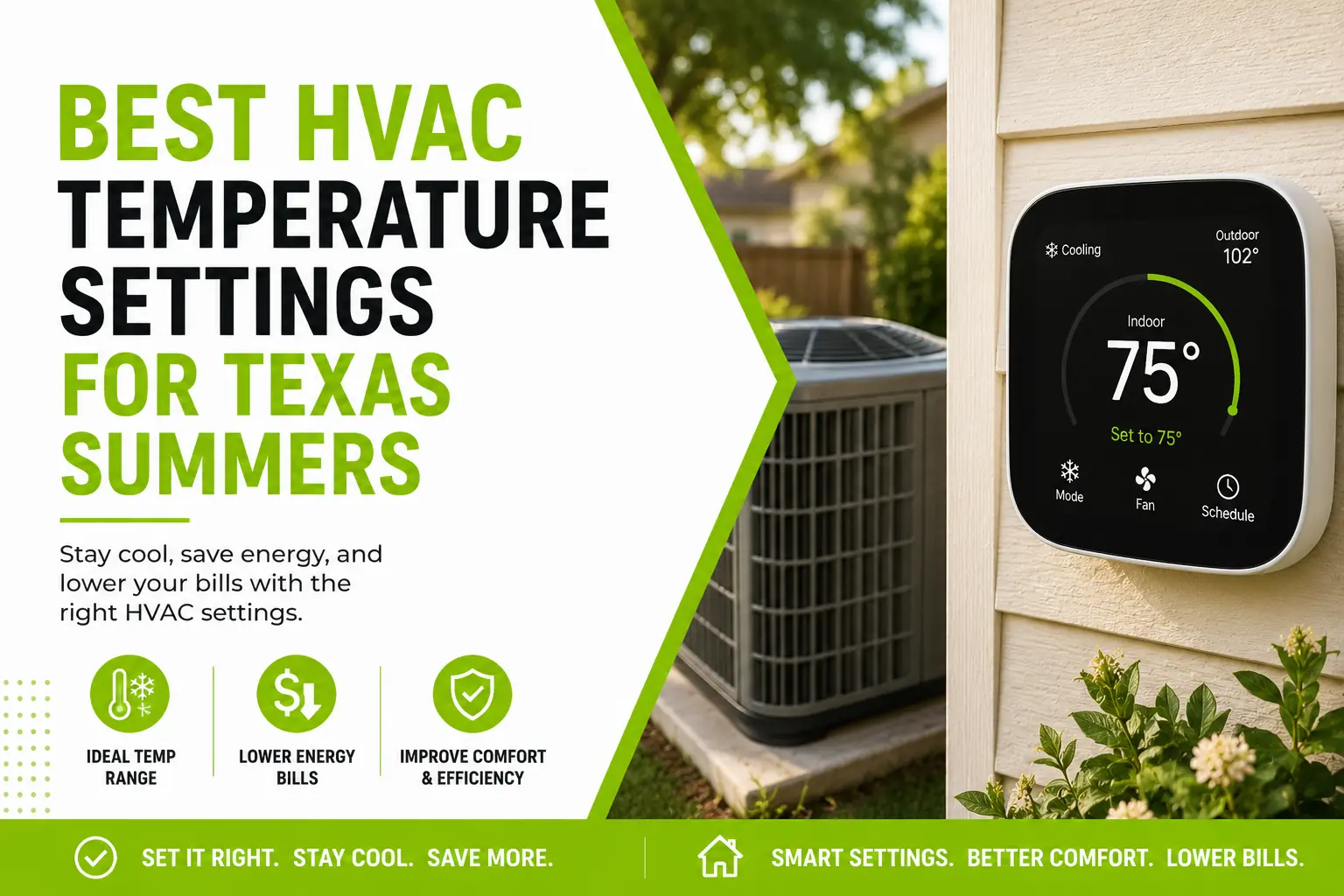

Finding the best temperature for HVAC in Texas summer is one of the biggest challenges homeowners face during long periods of extreme heat and high humidity. Many people lower the thermostat too far trying to get more cool air, but that often causes the hvac system to work harder, increases energy bills, and creates uneven cooling throughout the home. The right balance between comfort and efficiency can help you save money while keeping your indoor environment comfortable during intense texas summer temperature conditions.
Most Texas homeowners do not realize that thermostat settings, airflow restrictions, insulation quality, dirty vents, and blocked air filters all affect how efficiently an air conditioner performs. Understanding the proper air conditioning summer temperature setting can improve indoor comfort and reduce monthly cooling costs. If rising cooling expenses are already becoming a concern, reviewing this guide about duct cleaning costs can help homeowners understand how HVAC maintenance impacts system efficiency.
Why the Right AC Temperature Matters During Texas Summers
The extreme texas summer temperature creates constant stress on residential cooling systems. When homeowners set their thermostats too low, the hvac system may run continuously without reaching the desired indoor temperature. This leads to higher energy costs, excessive wear on equipment, and uneven airflow throughout the house. A properly managed thermostat setting improves comfort and energy savings without forcing the unit to overwork.
The recommended ideal temperature for ac during summer usually falls between 74°F and 78°F when people are home. This range allows the system to maintain stable humidity control while delivering steady cool air. According to the U.S. Department of Energy, higher thermostat settings can significantly improve cooling efficiency and lower electricity consumption.
Humidity Makes Cooling More Difficult
Texas homes often experience elevated moisture levels during summer months. High indoor humidity makes rooms feel warmer even when the thermostat appears low. This is why many homeowners continue lowering the ac temperature in summer trying to feel comfortable. Managing humidity properly with airflow improvements and clean ducts often solves the issue more effectively than lowering thermostat settings excessively.
Main Practical Fixes to Improve Cooling Efficiency
The best temperature for air conditioning in summer only works properly when the entire HVAC system operates efficiently. Dirty ductwork, leaking vents, poor insulation, and clogged filters reduce airflow and force cooling systems to consume more electricity. Homeowners who combine thermostat optimization with HVAC maintenance often see major reductions in monthly utility expenses.
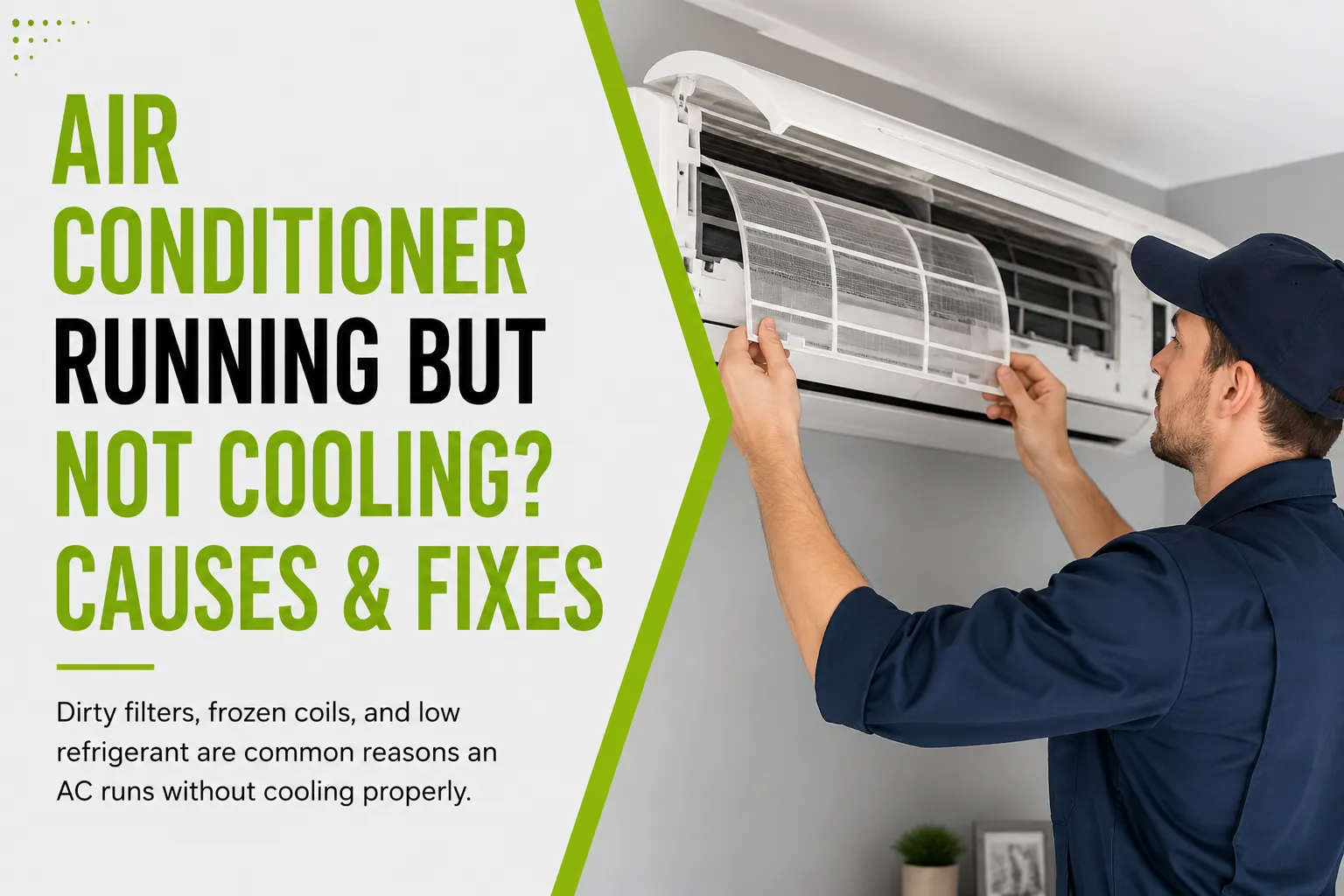
One of the easiest ways to improve cooling performance is replacing dirty air filters every 30 to 60 days during peak summer use. Restricted airflow causes the system to lose efficiency and creates uneven temperatures between rooms. Homes with airflow restrictions may also benefit from professional airflow fixes that improve cooling distribution throughout the property.
- Keep thermostat settings between 74°F and 78°F
- Use ceiling fans to create a wind chill effect
- Seal gaps around windows and doors
- Replace clogged filters regularly
- Schedule seasonal HVAC inspections
Smart Thermostats Improve Energy Control
Smart thermostats and programmable thermostats help homeowners manage cooling schedules more efficiently. These devices automatically raise temperatures when nobody is home and restore comfort before residents return. Many homeowners notice immediate energy savings after installing modern thermostat systems because they prevent unnecessary cooling during inactive hours.
Best HVAC Temperature Settings for Different Situations
The good temperature for ac in summer changes depending on occupancy, humidity levels, and outdoor conditions. While many homeowners prefer colder temperatures, extremely low settings can freeze coils, reduce airflow, and shorten equipment lifespan. The goal is maintaining consistent indoor comfort while reducing stress on the cooling equipment.
According to research from Stanford University, excessive indoor heat exposure can affect sleep quality and overall health. Proper HVAC balancing becomes especially important during prolonged heat waves in Texas.
| Situation | Recommended Temperature | Benefits |
| When Home | 74°F to 76°F | Balanced comfort and efficiency |
| Sleeping Hours | 72°F to 74°F | Improved sleeping comfort |
| When Away | 78°F to 82°F | Lower energy consumption |
| Extreme Heat Days | 76°F to 78°F | Reduces HVAC strain |
Ceiling Fans Help Your AC Work Less
Using ceiling fans allows homeowners to raise thermostat settings by several degrees without sacrificing comfort. Fans improve airflow circulation and create a noticeable wind chill effect that helps rooms feel cooler. This strategy reduces how often the compressor cycles while supporting better energy efficiency during high outdoor temperatures.
Fast Solutions for Immediate Cooling Improvements
Some cooling problems can be improved quickly without replacing the HVAC unit. Dirty vents, blocked registers, attic heat buildup, and poorly sealed rooms often reduce cooling efficiency significantly. Homeowners searching for a good ac temp sometimes overlook these hidden airflow issues that prevent proper temperature control.
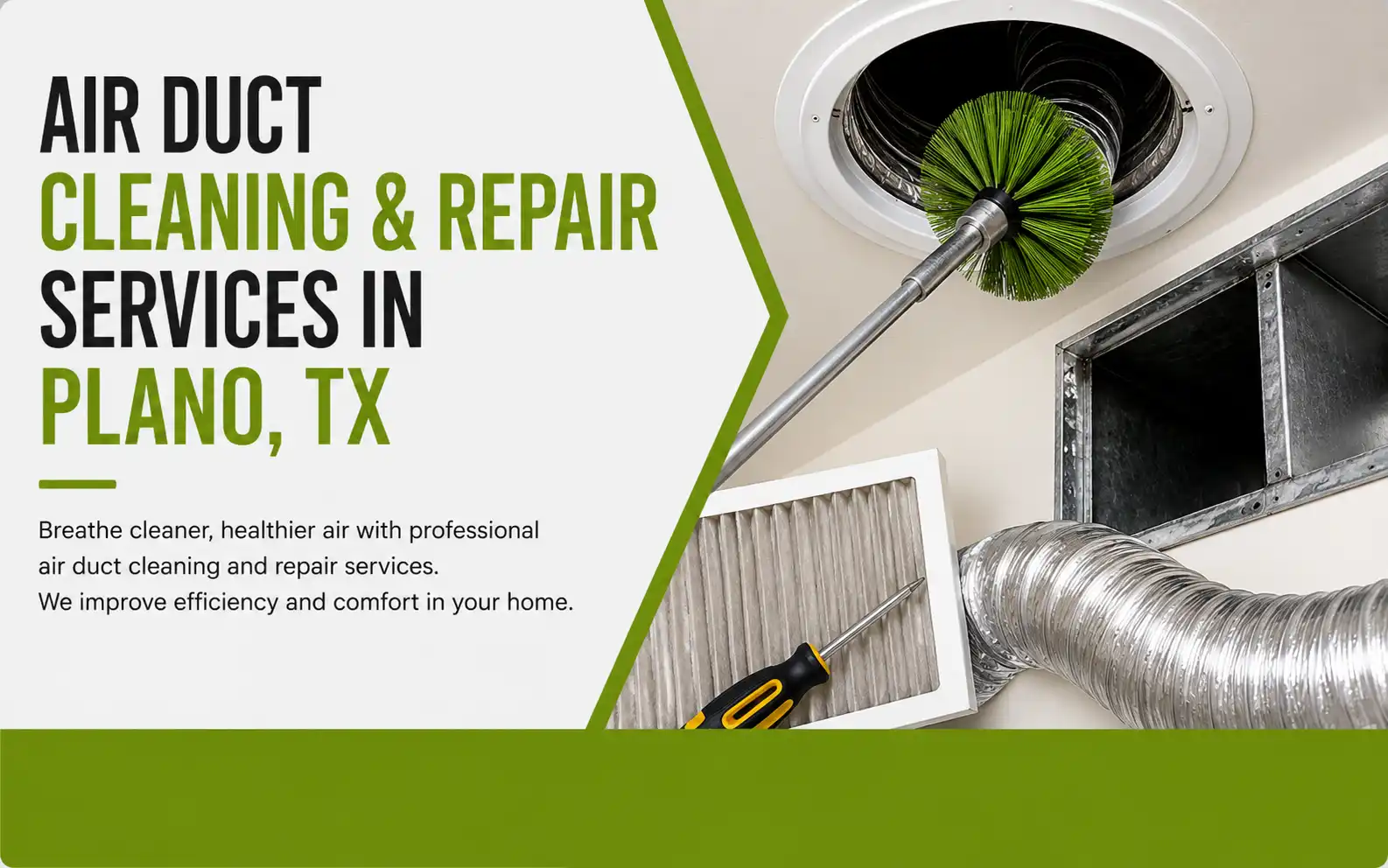
Closing blinds during peak afternoon heat helps reduce solar heat gain inside the home. Sealing air leaks around windows and doors also prevents warm outdoor air from entering cooled spaces. Homes with dirty ducts may additionally benefit from professional duct cleaning services to restore unrestricted airflow and improve HVAC performance.
- Keep vents fully open
- Reduce sunlight entering rooms
- Inspect attic insulation
- Check for sweating air vents
- Clear debris around outdoor AC units
Dirty Coils Reduce Cooling Power
When evaporator or condenser coils become covered with dirt, the air conditioner loses cooling capacity. Dirty coils force the system to run longer cycles while producing less cool air. Regular maintenance helps restore proper heat transfer and improves overall cooling efficiency during intense Texas summer conditions.
Long-Term Home Improvement Solutions
Some homes struggle to maintain the ideal ac temperature because the property itself lacks proper insulation or airflow design. In older Texas homes, attic heat, duct leakage, and poor return airflow often create major cooling inefficiencies. Upgrading insulation and sealing ductwork can improve comfort while lowering operating costs significantly.
Homes with persistent humidity issues may also require airflow balancing or duct modifications. Poor airflow distribution causes hot spots, inconsistent cooling, and uncomfortable indoor conditions. Homeowners dealing with excessive moisture can explore this guide on humidity problems to better understand why indoor comfort may remain poor despite low thermostat settings.
Air Duct Condition Affects Summer Cooling
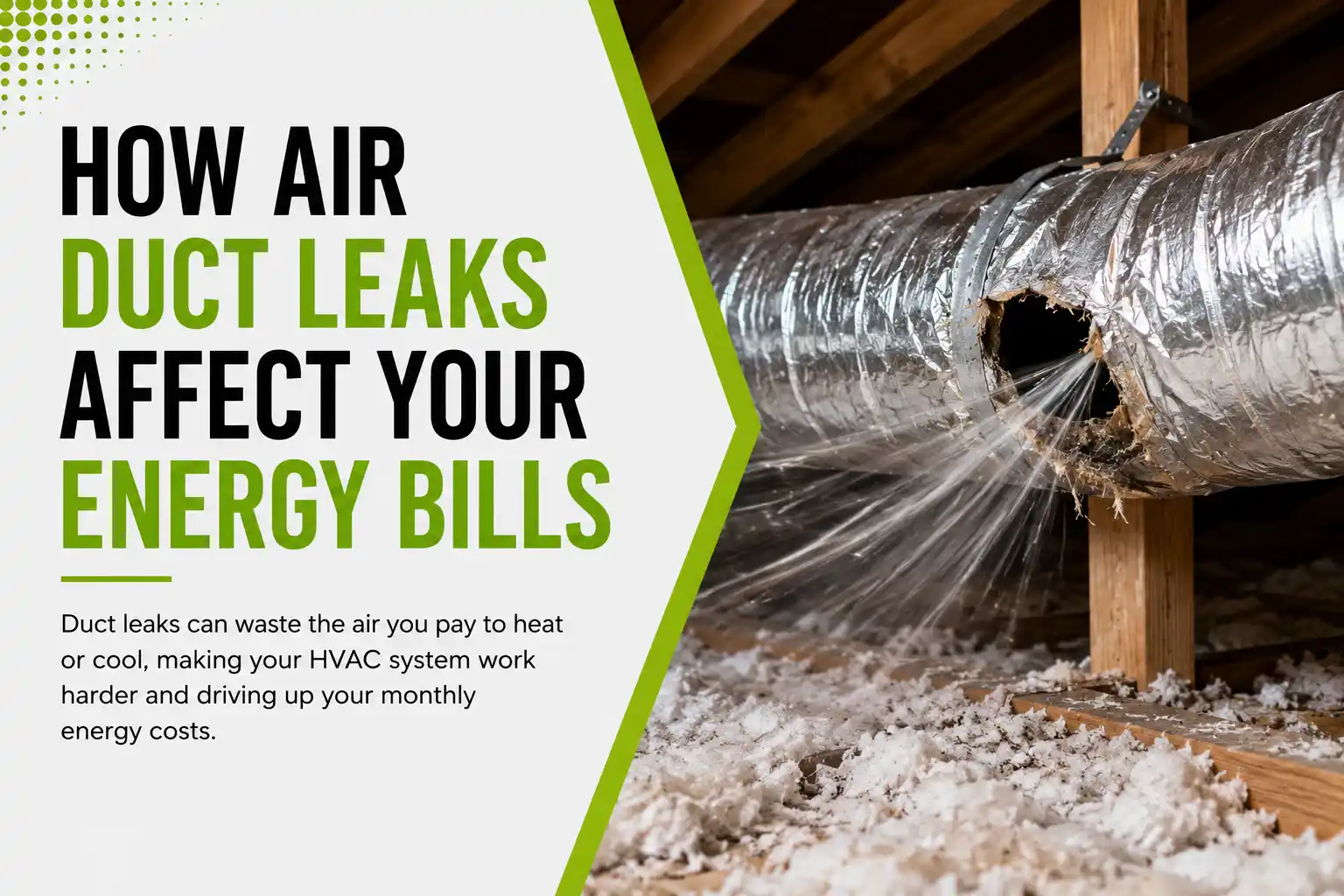
Leaking or contaminated duct systems reduce airflow efficiency and make it harder to maintain a stable summer ac temperature. Dust buildup inside ductwork also restricts circulation and impacts indoor air quality. According to the Environmental Protection Agency, HVAC cleanliness and airflow maintenance contribute to healthier indoor environments and improved system operation.
DIY vs Professional HVAC Solutions
Many homeowners attempt DIY cooling fixes before contacting professionals. While changing filters and adjusting thermostat settings can help temporarily, larger airflow or efficiency problems usually require experienced inspection. Incorrect DIY repairs can damage HVAC components and increase future repair costs.
Professional HVAC technicians use airflow testing, duct inspection tools, and system diagnostics to identify hidden cooling inefficiencies. Issues such as refrigerant imbalance, blocked returns, or damaged ducts often cannot be corrected through basic homeowner maintenance alone. This becomes especially important when the system struggles to maintain a good temperature for ac despite continuous operation.
| DIY Maintenance | Professional Service |
| Changing filters | Complete airflow diagnostics |
| Cleaning visible vents | Duct leakage testing |
| Adjusting thermostat | Humidity balancing |
| Clearing outdoor debris | Full HVAC efficiency evaluation |
Signs Professional HVAC Service Is Needed
If your cooling system constantly runs without reaching the desired thermostat setting, professional service may be necessary. Uneven room temperatures, rising energy bills, weak airflow, or excess indoor humidity usually indicate deeper HVAC performance issues. These symptoms often worsen during periods of extreme texas summer temperature.
Homeowners should also pay attention to strange odors, noisy vents, or excessive dust buildup around air registers. These warning signs may indicate contaminated ducts, airflow blockages, or failing HVAC components. In severe cases, restricted airflow can cause the system to overheat and shorten equipment lifespan.
- AC runs constantly without cooling properly
- High indoor humidity levels
- Uneven temperatures between rooms
- Weak airflow from vents
- Unexpected spikes in electricity bills
Why Homeowners Trust Air n Fires
Texas homeowners need HVAC professionals who understand regional climate challenges, airflow balancing, and humidity management. Air n Fires helps homeowners improve cooling efficiency through professional inspections, air duct cleaning, airflow correction, and HVAC support services designed specifically for demanding Texas summer conditions.
The company focuses on long-term system performance instead of temporary fixes. Whether homeowners need duct inspections, airflow improvements, or indoor air quality support, experienced technicians help identify the root cause of cooling inefficiency while improving overall comfort and HVAC reliability.
FAQs About HVAC Temperature Settings in Summer
What is the best temperature for air conditioning in summer?
The best temperature for air conditioning in summer is generally between 74°F and 78°F. This range balances comfort, humidity control, and energy efficiency while reducing strain on your HVAC system during extremely hot Texas weather.
What should I set my AC at during Texas heat waves?
If outdoor temperatures exceed 100°F, keeping your thermostat around 76°F to 78°F helps prevent the system from overworking. Lower settings often increase energy use without creating significantly better indoor comfort.
What is a good temperature for AC in summer while sleeping?
A good temperature for ac in summer during nighttime is usually 72°F to 74°F. Cooler sleeping temperatures improve comfort while still maintaining reasonable energy efficiency throughout the night.
Does lowering AC temperature cool the house faster?
No. Most HVAC systems cool at the same speed regardless of thermostat settings. Lowering the thermostat excessively only forces the system to run longer, increasing wear and higher energy bills.
What is the ideal AC temperature for saving money?
The ideal ac temperature for reducing cooling costs is around 78°F when home and slightly higher when away. Pairing this setting with ceiling fans improves comfort while lowering electricity consumption.
Why does my house still feel humid with the AC running?
Dirty ducts, poor airflow, oversized systems, or clogged filters can prevent proper humidity removal. Professional HVAC inspection may be necessary if the home remains humid despite low thermostat settings.
What is the average temp air conditioner should maintain?
The average temp air conditioner setting depends on occupancy and outdoor conditions, but most energy-efficient homes stay comfortable between 74°F and 78°F during Texas summers.
Schedule Professional HVAC Support Today
Maintaining the best ac temperature for summer requires more than adjusting thermostat settings. Proper airflow, clean ducts, balanced humidity, and efficient HVAC operation all work together to create a cooler and healthier home. If your cooling system struggles during extreme heat, professional inspection and maintenance can improve both comfort and long-term efficiency.
Conclusion
Choosing the best temperature for HVAC in Texas summer helps homeowners stay comfortable while reducing unnecessary cooling expenses. Proper thermostat management, humidity control, airflow improvements, and HVAC maintenance all contribute to lower energy use and better indoor comfort. If your cooling system still struggles to maintain consistent temperatures, the team at Air n Fires can help identify airflow and efficiency issues before they become major HVAC problems. Schedule a professional inspection today to improve cooling performance and keep your home comfortable throughout the Texas summer.