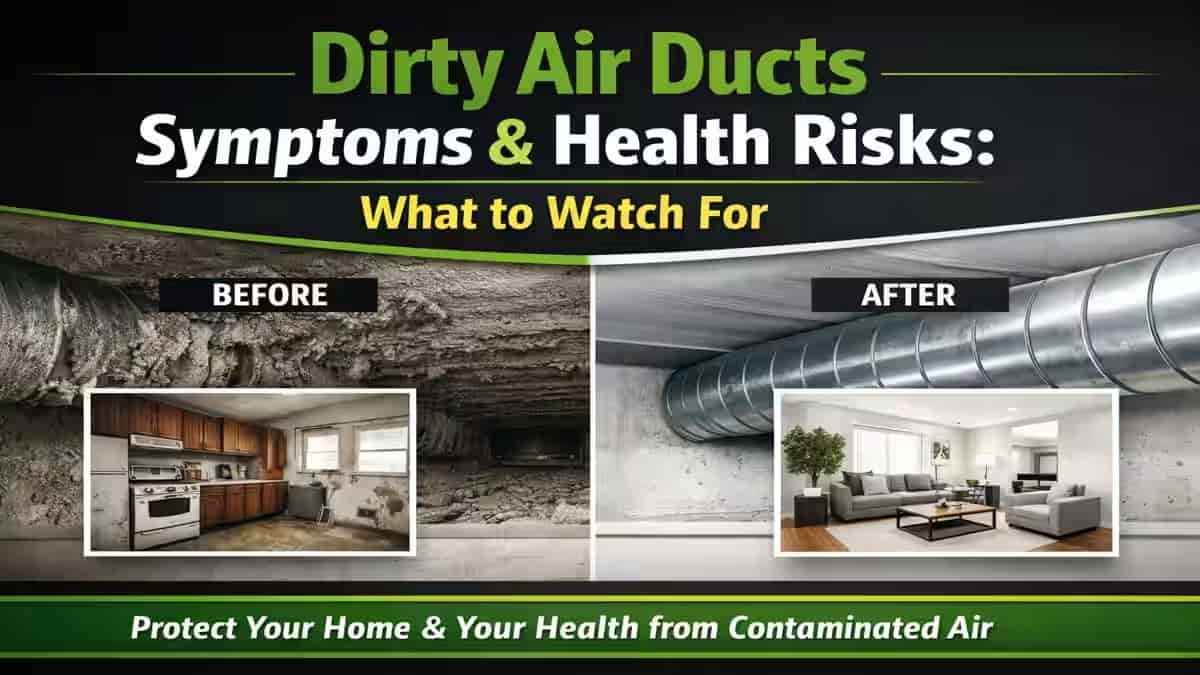

If you have been noticing unusual dust, strange smells, or allergy flare-ups, it may be time to look deeper into dirty air ducts symptoms. Many homeowners overlook their air ducts until problems become obvious, but by then, indoor air quality has already declined. Understanding these early warning signs helps you protect your home and your family members before small issues turn into costly repairs.
Before you decide whether cleaning is worth it, it helps to understand the Cost of air duct cleaning and how it compares to the long-term savings on energy bills and health. Ignoring dirty ducts can lead to poor airflow, increased dust buildup, and even hidden mold growth that spreads through every air vent in your home.
Common Dirty Air Ducts Symptoms You Should Never Ignore
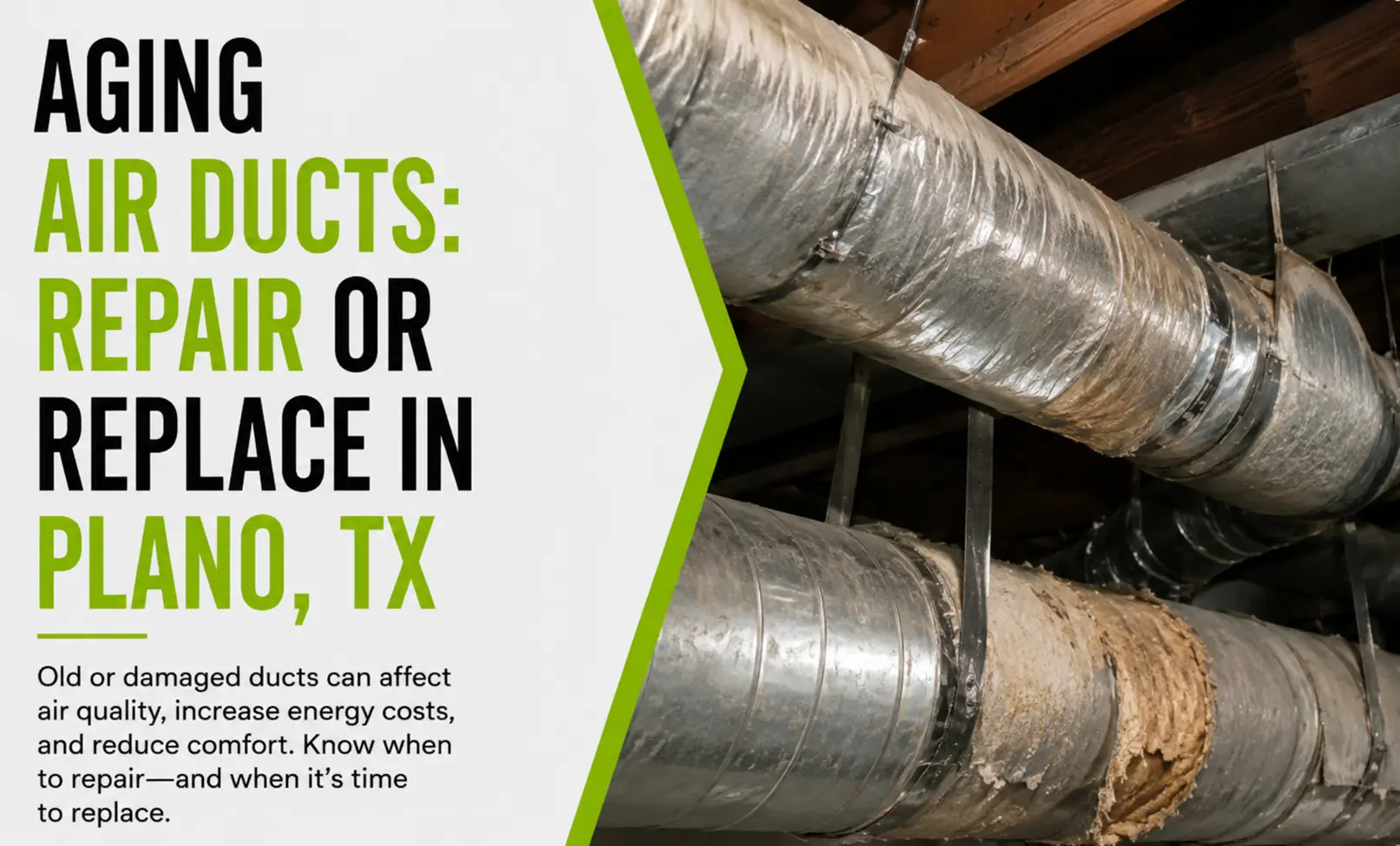
One of the most obvious signs of dirty air ducts is visible dust buildup around your air vent. If you clean surfaces and dust returns within a day or two, your system is likely circulating airborne irritants throughout your home. Many homeowners also notice dusty air vents and dark residue forming around registers. This buildup does not just sit there, it spreads into the air you breathe, reducing your ability to improve your indoor air.
Another clear warning is a persistent musty odor when your HVAC system runs. This smell often points to mold growth inside dirty air ducts. If your system works harder to maintain temperature, that is another clue. Blocked airflow caused by dusty air ducts forces your HVAC system to struggle, which increases wear and raises your energy bills. These early signs should never be ignored.
How Dirty Air Ducts Affect Your Health
The biggest concern with dirty vents is how they impact your health. Pollutants trapped in air ducts get released into your living space every time your system runs. This includes airborne irritants, pet dander, pollen, and even bacteria. Over time, exposure can lead to allergy symptoms like a runny nose, coughing, and irritated eyes, especially in children and elderly family members.
According to the EPA indoor air quality guidance, poor duct conditions can contribute to indoor pollution levels. When combined with excessive dust and dirty air vents, the risk of respiratory health problems increases significantly. If you are wondering can dirty air ducts cause allergies, the answer is yes, especially in homes with pets or poor filtration.
Signs of Clogged Air Ducts That Impact HVAC Performance
When airflow is restricted, your HVAC system begins to show stress. One of the main signs of clogged air ducts is uneven temperatures across rooms. Some areas may feel too hot while others stay cold. This happens because dirty ducts block proper circulation. As a result, your system works harder, leading to faster wear on components and frequent breakdowns.
Clogged ducts also reduce efficiency. Research from University of Calgary Energy Education explains how airflow restrictions directly impact HVAC performance. If your air filter is clean but airflow still feels weak, the issue likely lies deeper in the system. These signs your air ducts need cleaning should be addressed quickly before repairs become expensive.
What Happens If Air Ducts Are Not Cleaned
Many homeowners delay maintenance because they think it is not urgent. However, what happens if air ducts are not cleaned can be more serious than expected. Over time, dust buildup accumulates and combines with moisture, creating ideal conditions for mold growth. Once mold spreads inside dirty air ducts, it becomes difficult to control without professional equipment.
Ignoring maintenance also increases long-term costs. Systems filled with debris use more energy and break down faster. You may notice rising energy bills and poor indoor comfort. For a deeper look at long-term risks, visit air quality risks. Leaving dirty vents untreated does not just affect comfort, it impacts your entire HVAC system.
How to Tell If Your Ducts Need Cleaning
If you are unsure how to tell if your ducts need cleaning, start by checking visible areas. Remove a vent cover and inspect inside. If you see thick dust layers, debris, or signs of mold growth, it is time to act. Another clue is constant dust settling on furniture even after cleaning. These are strong signs your air ducts are circulating contaminants instead of clean air.
You should also pay attention to your body. If allergy symptoms worsen indoors or you frequently experience a runny nose, your ducts may be the cause. For a detailed breakdown, check duct warning signs. Knowing how do you know if your air ducts need cleaning helps you take action before problems escalate.
Does Cleaning Air Ducts Help With Allergies
Many homeowners ask does cleaning air ducts help with allergies, especially when symptoms persist. Cleaning removes accumulated dust, pollen, and contaminants from your system. This reduces the number of airborne irritants circulating through your home, which can significantly ease allergy symptoms for sensitive individuals.
The National Air Duct Cleaners Association highlights that proper cleaning improves airflow and indoor air quality. While it is not a cure, it plays a key role in creating a healthier environment. Regular hvac maintenance combined with duct cleaning helps you truly clean your air and maintain comfort year-round.
Why DIY Air Duct Cleaning Often Fails
Many homeowners try to handle dirty air ducts themselves, but basic tools cannot reach deep into the system. Vacuuming vents only removes surface debris, leaving hidden buildup untouched. This is why dusty air ducts continue to circulate contaminants even after DIY attempts. Without proper equipment, you risk spreading debris further into your system.
DIY cleaning also misses critical areas like coils and internal duct lines. If moisture is present, mold growth can remain hidden and continue spreading. For a realistic comparison, see DIY vs professional. Professional tools and expertise are necessary to fully remove contaminants and restore airflow.
Signs Professional Service Is Needed
When symptoms persist despite cleaning efforts, it is time to call professionals. Strong musty odor, visible mold, and excessive dust are clear signs. If your HVAC system works harder or airflow remains weak, deeper issues may exist. These are strong signs your air ducts need cleaning by trained technicians.
If your home has never had a full inspection, scheduling an duct inspection is the best next step. Professionals can identify hidden problems like leaks, blockages, and contamination. Addressing these issues early prevents long-term damage and protects your indoor environment.
Why Choose Air N Fire
Choosing the right company makes all the difference when dealing with dirty ducts. Experienced technicians understand how to safely remove buildup without damaging your system. They also check for underlying issues like leaks or mold, ensuring your home is not just cleaner but healthier overall.
With a focus on quality and safety, professionals use advanced tools to restore airflow and eliminate contaminants. If you are serious about improving your indoor air and reducing health problems, investing in expert service is the smartest move for long-term comfort.
FAQs About Dirty Air Ducts
How do you know if your air ducts need cleaning
You may notice dusty air vents, poor airflow, or worsening allergy symptoms. If your home collects dust quickly or has a musty odor, these are strong indicators your ducts need professional cleaning.
Can dirty air ducts cause allergies
Yes, dirty air ducts can circulate airborne irritants like dust and pollen. This can trigger allergy symptoms such as sneezing, coughing, and a runny nose, especially in sensitive individuals.
What are signs of clogged air ducts
Uneven temperatures, weak airflow, and rising energy bills are common signs of clogged air ducts. Your HVAC system may also make unusual noises or struggle to maintain consistent comfort.
Does cleaning air ducts help with allergies
Cleaning removes dust, debris, and allergens from your system. This reduces exposure to irritants and can significantly improve indoor air quality, helping relieve allergy symptoms over time.
How often should air ducts be cleaned
Most homes benefit from cleaning every three to five years. However, homes with pets, allergies, or recent renovations may require more frequent hvac maintenance to maintain clean airflow.
Take Action Before Small Problems Grow
Ignoring dirty air ducts symptoms can lead to bigger issues like poor air quality, rising costs, and ongoing discomfort. Taking action early helps protect your home and your health. If you are noticing signs, it is worth having your system inspected and cleaned by professionals who understand how to fix the root cause.
If you are ready to breathe easier and protect your home, consider scheduling a professional service with Air N Fire. A simple inspection today can prevent costly repairs tomorrow. Reach out now to book your service and take control of your indoor air quality.