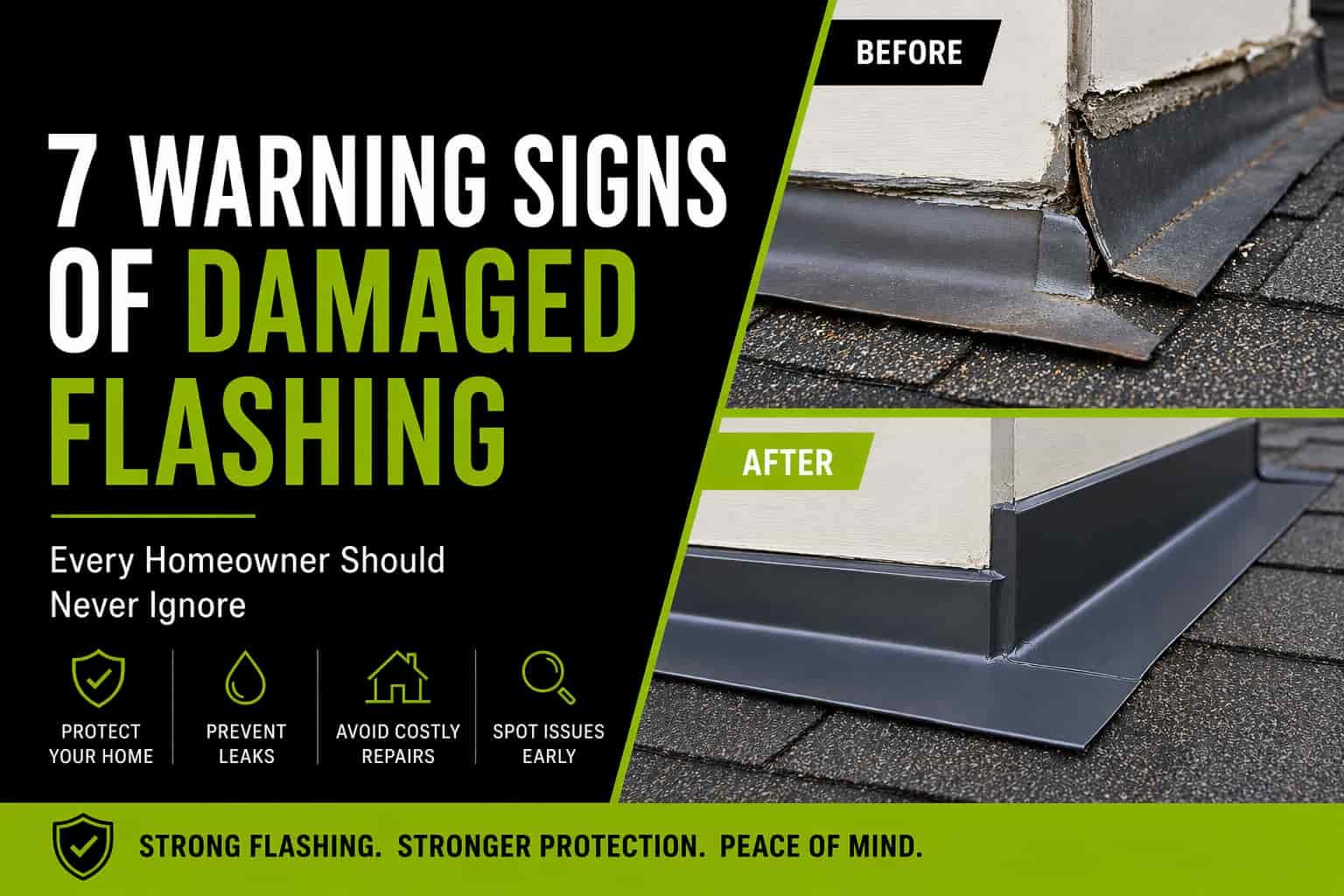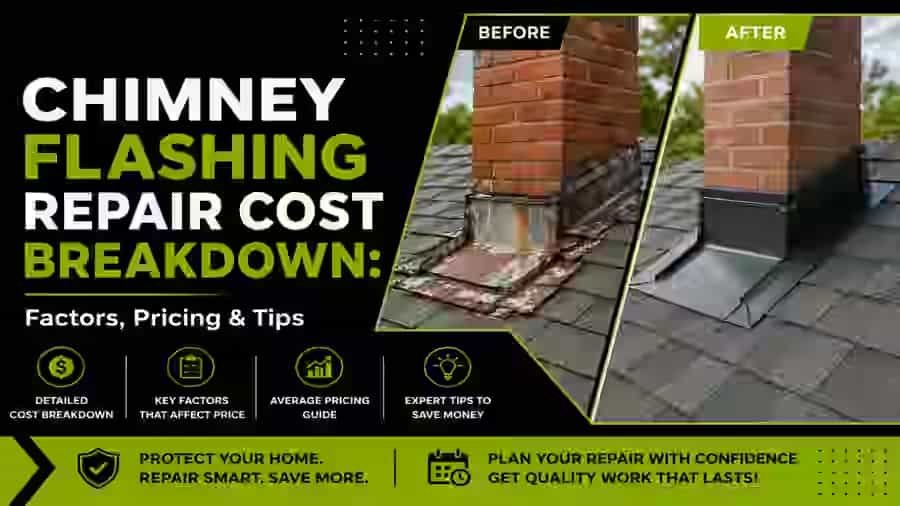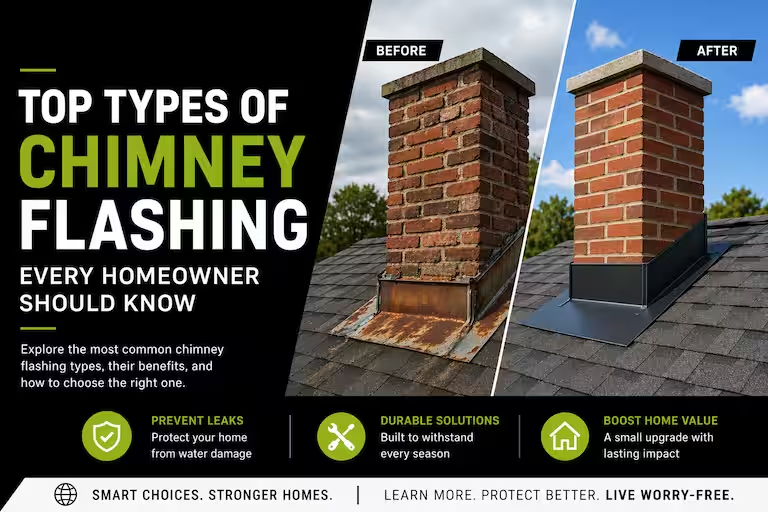
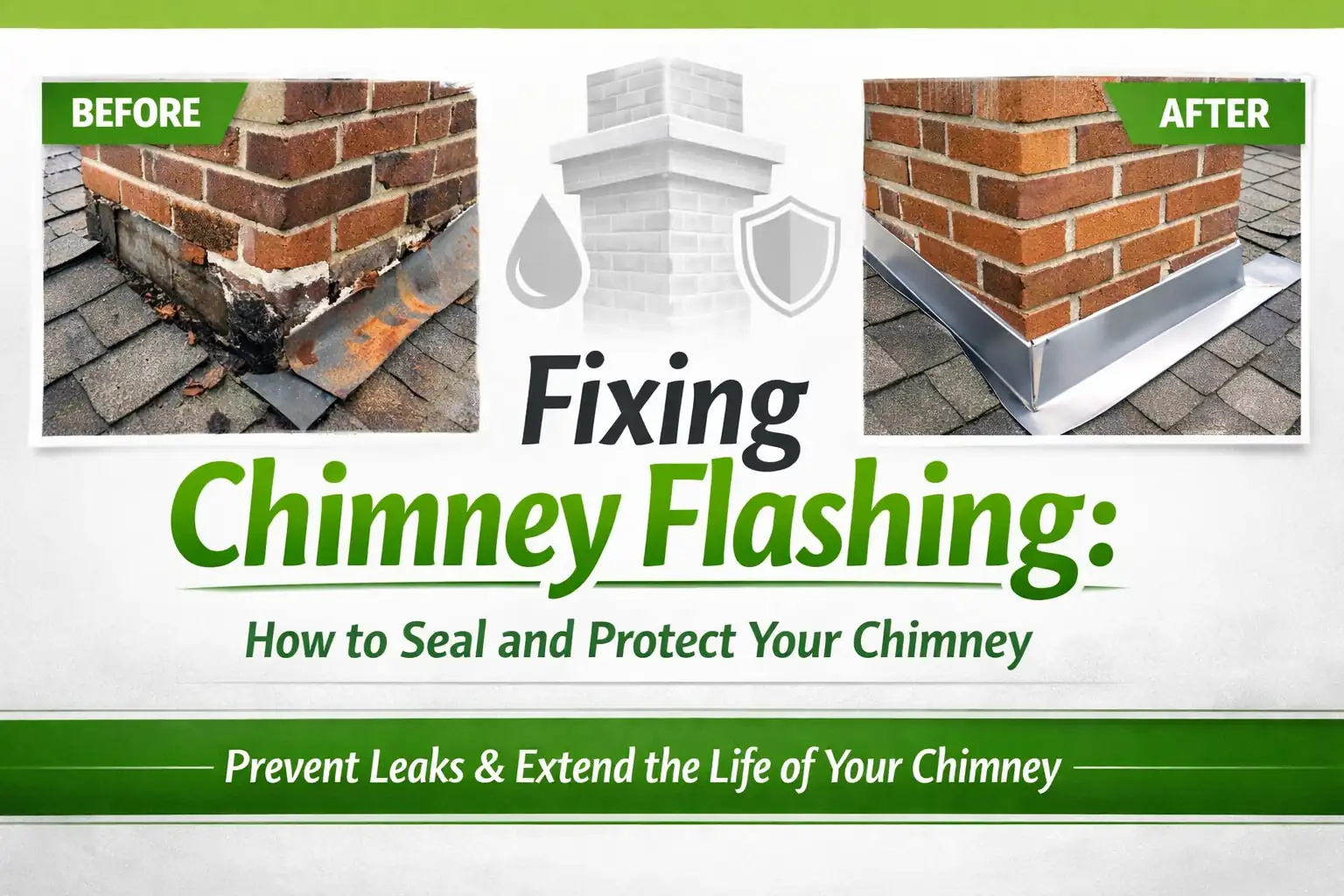

When water starts showing up inside your home near the fireplace, most people assume the worst. But in a large number of cases, the culprit is not the roof itself. It is damaged or fixing chimney flashing that has failed. Chimney flashing is the metal barrier that seals the joint between your chimney and your roof, and when it breaks down, every rain storm becomes a potential problem.
Understanding how this system works, why it fails, and when to call a professional can save you from expensive structural damage down the road.
What Is Chimney Flashing and Why Does It Matter?
Chimney flashing is a system of metal sheets, typically made from aluminum, galvanized steel, or copper, that are installed around the base and sides of the chimney where it meets the roof surface. It works in two layers: the base flashing sits flat against the roof deck and bends up against the chimney wall, while the counter-flashing is embedded directly into the mortar joints of the chimney structure and laps over the base. Together, they create a watertight seal that diverts rainwater away from the vulnerable joint between masonry and roofing material.
Without properly functioning flashing, water can work its way under shingles and into the roof decking, where it causes rot, mold, and weakening of structural wood over time. Texas weather does not help matters. Between heavy rain storms in spring and the intense summer heat that expands and contracts metal repeatedly, flashing takes a serious beating. Homeowners in Plano TX, Dallas, and Fort Worth TX know all too well that roof leaks can appear suddenly after just one strong storm. Early attention to chimney flashing repair prevents those small problems from becoming major, costly disasters. If you want to understand how the full chimney system fits together, this guide on chimney sweep vs cleaning is a great place to start.
Common Causes of Chimney Flashing Failure
One of the most common reasons flashing fails is age combined with poor installation. When flashing is improperly installed, it may look fine from the outside but fail to create a true waterproof bond. Roofers who are not specialists in masonry sometimes skip steps like properly embedding counter-flashing into mortar joints or using the right sealant at transition points. Over time, the gaps that result allow water to seep through slowly, causing damage that is not visible until it becomes serious.
Beyond installation errors, natural wear causes real problems too. The sealant used around flashing edges dries out, cracks, and pulls away from surfaces as temperatures swing between seasons. Rust develops on galvanized steel. Mortar joints that hold the counter-flashing can crumble. Strong winds can physically lift base flashing away from the roof surface. All of these issues are compounded in the DFW area where UV exposure, heat, and sudden severe storms accelerate deterioration. Flashing repairs done at the right time are far less expensive than dealing with wood rot or interior water damage later. Take a look at this resource on reflashing a chimney for more background on why the process matters.
How Weather Accelerates Flashing Damage in Texas
Texas weather puts unique pressure on roofing systems. The freeze-thaw cycle in winter, combined with scorching summers, causes metal flashing to expand and contract repeatedly. This constant movement gradually loosens sealed joints and weakens adhesion between the flashing and the chimney structure. Heavy rain events then exploit those weak points, pushing water into gaps that were barely noticeable just weeks before.
How to Identify Roof Leaks Around the Chimney
Spotting a leaky chimney repair need early is the best way to avoid expensive structural work. The most obvious sign is water staining on the ceiling near the fireplace, or wet spots on the wall above the firebox. However, not all flashing leaks show up immediately. Water can travel along rafters before dripping down, meaning the stain you see on the ceiling may not be directly below where the leak is entering. If you notice peeling paint, bubbling drywall, or a musty smell near the fireplace area, those are clear warning signs.
Another indicator is visible rust or corrosion on the metal flashing itself when you inspect the roof. Separated or lifted flashing edges, missing sections of sealant, or cracked mortar around where counter-flashing meets the chimney wall are all signs that roof leaks around chimney are likely or already happening. Do not wait for a major storm to confirm the problem. A visual inspection after any significant rain can help you catch issues early. For a deeper dive into what the warning signs look like, this guide on signs your chimney needs attention covers the topic thoroughly.
Checking the Chimney Crown and Cap
The chimney crown is the concrete or mortar slab that covers the top of the chimney opening, and the chimney cap is the metal cover that sits above it. Both work alongside flashing to keep water out. A cracked chimney crown can allow water to run down the interior masonry and mimic the symptoms of a flashing leak, so inspecting all three components together gives you a clearer picture.
Fix Chimney Flashing: DIY vs. Professional Repair
There are plenty of videos online that make fix chimney flashing look straightforward. Apply some caulk, press the flashing back down, done. The reality is different. Proper chimney flashing repair requires understanding how base flashing and counter-flashing interact, how to correctly embed metal into mortar joints without cracking the masonry, and how to choose materials that will hold up for years rather than months. DIY sealant patches almost always fail within one to two seasons because they do not address the underlying issue, they just cover it temporarily.
Beyond the technical knowledge gap, working on a roof around a chimney carries real safety risks. The angles are steep, the surfaces can be slippery, and you are working at height with no harness. Professional repair services include not just the physical work but also a proper diagnosis of whether you need a targeted repair or a full replacement of the entire flashing system. Skipping the diagnosis and going straight to a DIY patch often means spending money twice. If you are in the DFW area and want to understand what a professional inspection covers, the team at chimney repairs in Plano can walk you through the full process.
When Caulk Alone Is Not Enough
Many homeowners apply roofing caulk as a first response to a chimney leak fix. This works temporarily in some cases, but if the flashing metal itself is corroded, bent, or pulled away from the masonry, sealant cannot bridge that structural gap reliably. Flashing replacement becomes necessary when the metal is no longer holding its shape or when rust has compromised its integrity from edge to edge.
Steps Involved in Professional Chimney Flashing Replacement
A proper chimney flashing replacement is not just swapping out old metal for new. It begins with a thorough inspection of the chimney structure, mortar joints, and roof decking beneath the existing flashing. If the wood underneath has absorbed moisture, it needs to dry out and may need partial replacement before new flashing goes on. Skipping this step leads to the same failure pattern repeating itself because the new flashing is being installed on compromised material.
Once the substrate is confirmed sound, the process involves removing old flashing, cleaning out the mortar joints where counter-flashing was embedded, cutting and fitting new base flashing to match the roof pitch and chimney profile exactly, and then embedding new counter-flashing into fresh mortar. The entire perimeter is then sealed with a high-quality roofing sealant rated for temperature extremes. Reflashing a chimney done correctly creates a system that should last 20 years or more with basic maintenance. For homeowners in the area, professional chimney repair in Plano handles every step of this process with licensed technicians who know Texas roof systems.
Choosing the Right Flashing Material for Texas Homes
Copper flashing is the gold standard for longevity, but it comes at a higher cost. Aluminum is widely used and performs well in most climates, though it can be more vulnerable to physical damage. Galvanized steel is common and affordable but has a shorter lifespan in humid conditions. For homes in Fort Worth TX, Dallas, and Plano TX, a licensed contractor will recommend the best material based on your specific roof type, chimney profile, and budget.
Signs You Need Professional Chimney Flashing Service Right Away
Some flashing problems can wait a season before becoming critical. Others cannot. If you see water actively dripping inside the fireplace during a storm, or if there is already visible water damage on the ceiling or walls near the chimney, you need a professional chimney flashing specialist to assess the situation as soon as possible. Ongoing water intrusion accelerates wood rot and can create mold issues within weeks, especially in the humid Texas spring months. The longer you wait, the more expensive the total repair becomes.
Other urgent signs include visible daylight around the flashing when you are in the attic, soft or spongy roof decking near the chimney base, or flashing that has completely separated and is visibly lifted away from the surface. In these situations, a patch will not do. You are looking at repairs or replacements of not just the flashing but potentially surrounding roofing materials and underlayment as well. A qualified chimney sweep who also handles structural repairs will be able to give you an honest assessment of the full scope. You can learn more about what this inspection process involves at this overview on fireplace maintenance and repairs. According to the EPA’s indoor air quality guidelines, moisture intrusion from leaks is one of the leading contributors to mold growth in residential structures, which poses real health risks beyond just property damage.
Why Choose Air N Fire for Chimney Flashing Repair and Replacement
Air N Fire is a locally trusted name for chimney and fireplace services across the DFW area, including fixing chimney flashing in Plano, fixing chimney flashing in Dallas, and fixing chimney flashing in Fort Worth. The technicians here are not generalists. They specialize in chimney systems, which means they understand how flashing, crowns, caps, and masonry all work together. When you call Air N Fire, you get a full inspection, an honest diagnosis, and a clear quote before any work begins. No surprises, no upsells you did not ask for.
What sets Air N Fire apart is the combination of technical expertise and customer-first communication. Whether you need a minor chimney leak fix or a complete flashing replacement with mortar joint repair, the team handles it with materials rated for Texas weather. They also serve surrounding communities including McKinney, Carrollton, Lewisville, Allen, and Flower Mound. Research from the University of Minnesota Extension confirms that improper roof-to-wall sealing is among the most preventable causes of long-term home water damage, reinforcing why getting the repair done right the first time matters. The National Fire Protection Association (NFPA) also recommends annual chimney inspections to catch deterioration before it becomes a safety or water intrusion issue. You can schedule a full inspection with Air N Fire by visiting the chimney inspection page to get started.
Frequently Asked Questions About Chimney Flashing Repair
How do I know if my chimney flashing needs to be repaired or fully replaced?
If the flashing metal is still structurally intact but the sealant has cracked, a targeted chimney flashing repair may be enough. If the metal itself is corroded, bent, or missing sections, flashing replacement is the right call for a long-term fix.
What causes roof leaks around a chimney even when there is no rain?
Condensation inside the flue or a cracked chimney crown can create moisture that mimics a rain leak. A proper inspection by a professional will identify whether the source is external water intrusion or internal condensation from the chimney structure itself.
How long does chimney flashing last?
Quality chimney flashing installed correctly can last 20 to 30 years. However, harsh Texas weather, UV exposure, and thermal cycling in Plano TX and Fort Worth TX can shorten that lifespan, especially if the material used was lower-grade aluminum or galvanized steel.
Can I fix chimney flashing myself with roofing caulk?
Caulk can serve as a temporary patch on minor gaps, but it will not address structural separation or corroded metal. Most DIY caulk repairs fail within a season or two. A professional chimney flashing repair done properly addresses the root cause, not just the surface symptoms.
What is the difference between base flashing and counter-flashing?
Base flashing sits against the roof surface and bends up along the sides of the chimney. Counter-flashing is embedded into the chimney mortar joints and overlaps the base flashing. Both layers must be in good condition to create a fully watertight seal.
How much does chimney flashing replacement cost in Texas?
Costs vary based on chimney size, material choice, and the extent of damage to surrounding areas like the roof decking or mortar. Minor flashing repairs can start around $200 to $400, while a full replacement on a standard chimney in the DFW area typically falls in the $500 to $1,500 range.
Does fixing chimney flashing require a permit in Texas?
Most standard chimney flashing repair or replacement does not require a permit in Texas cities like Plano or Dallas. However, if the work involves structural changes to the chimney or roof decking, local codes may apply. A licensed contractor will know the requirements for your specific municipality.
Ready to Stop That Chimney Leak for Good?
Water damage does not wait for a convenient time. If you have noticed staining near your fireplace, spotted lifted or rusty flashing on your roof, or heard dripping during a storm, the right move is to get a professional assessment before the next rain hits. Fixing chimney flashing properly the first time costs far less than repairing rotted decking, damaged insulation, or mold inside your walls.
The team at Air N Fire specializes in chimney flashing repair, reflashing a chimney, full flashing replacement, and complete chimney system inspections across the DFW area. Whether you are in Plano, Dallas, Fort Worth, McKinney, or anywhere in between, experienced technicians are ready to come out, assess your situation, and give you a straight answer. Do not let a small flashing problem turn into a major repair project.
Call or schedule your inspection today through the chimney repair service page and get your chimney sealed and protected before the next storm season arrives.