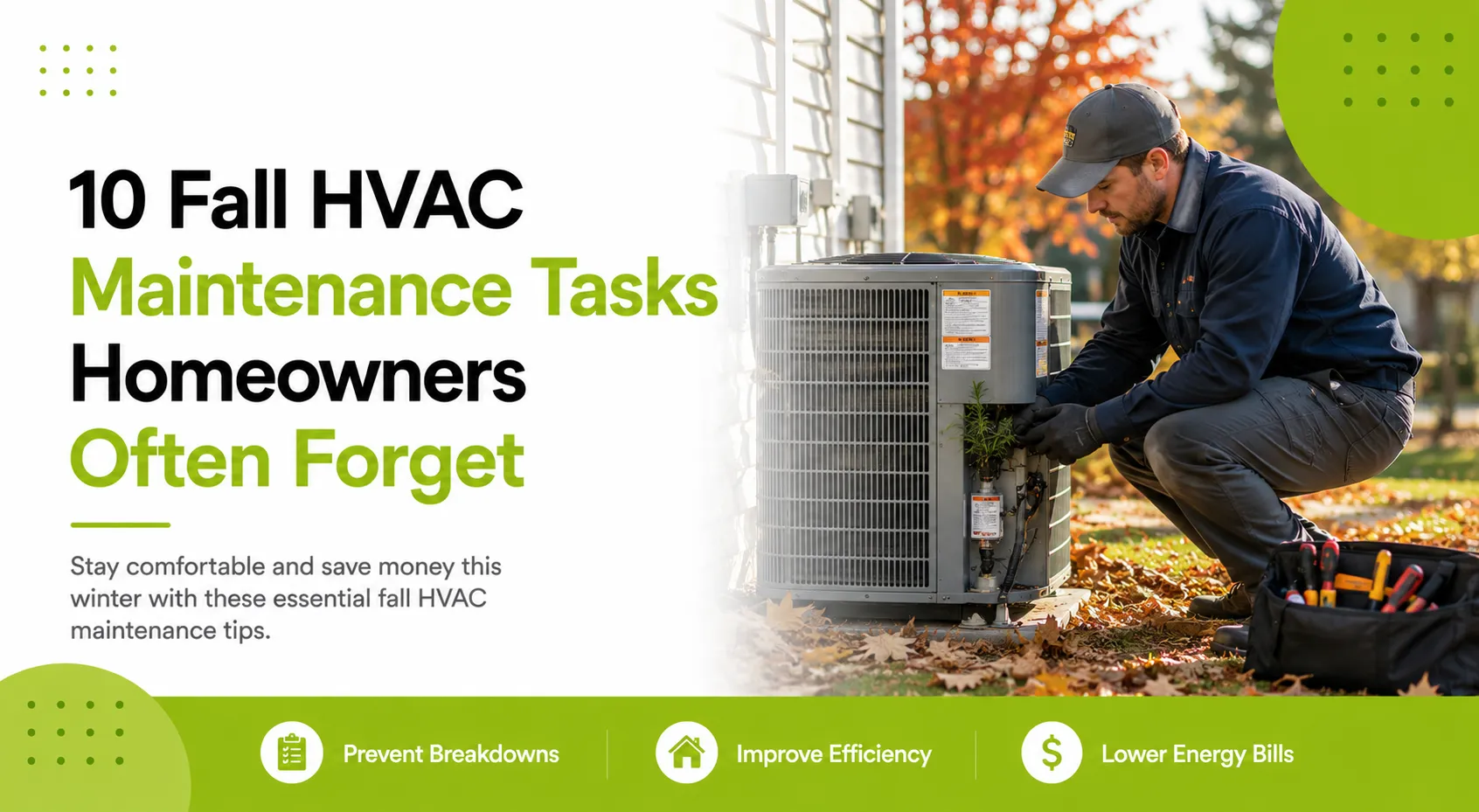

As temperatures begin to drop, many homeowners focus on weatherproofing windows and preparing outdoor spaces while overlooking critical fall HVAC maintenance tasks homeowners forget. Unfortunately, skipping seasonal maintenance can reduce comfort, increase utility bills, and lead to expensive breakdowns when your heating equipment is needed most. Fall is the ideal time to inspect, clean, and prepare your HVAC system before winter arrives.
A proactive approach to fall HVAC maintenance helps keep your system reliable, improves indoor comfort, and supports long-term energy efficiency. Weather changes can place additional stress on ductwork, filters, and heating components. Homeowners can learn more about how seasonal conditions affect HVAC performance by reading weather impact. Completing the right maintenance steps now can help prevent unexpected repairs later.
Why Overlooked HVAC Maintenance Matters
Many homeowners assume their system is working properly simply because it powered through summer without issues. However, hidden wear often develops during months of continuous operation. Dust accumulation, loose electrical connections, clogged filters, and neglected components can reduce efficiency and place strain on the entire heating system.
Ignoring routine HVAC maintenance can result in higher utility costs, reduced airflow, uneven temperatures, and premature equipment failure. Even minor problems can escalate into costly repairs if left unresolved. A thorough seasonal inspection helps ensure the system remains safe, reliable, and capable of keeping your home comfortable throughout winter.
Main Practical Fixes: 10 Fall HVAC Maintenance Tasks Most Homeowners Forget
The following maintenance tasks are frequently missed but can significantly improve performance and reliability during colder months.
- Replace or clean HVAC air filters.
- Inspect thermostat settings and calibration.
- Check and tighten electrical connections.
- Clean the outdoor unit and remove debris.
- Inspect ductwork for leaks and damage.
- Clean supply and return vents.
- Test the furnace startup sequence.
- Inspect condensate drainage systems.
- Evaluate blower motor performance.
- Schedule a professional inspection of heat exchangers.
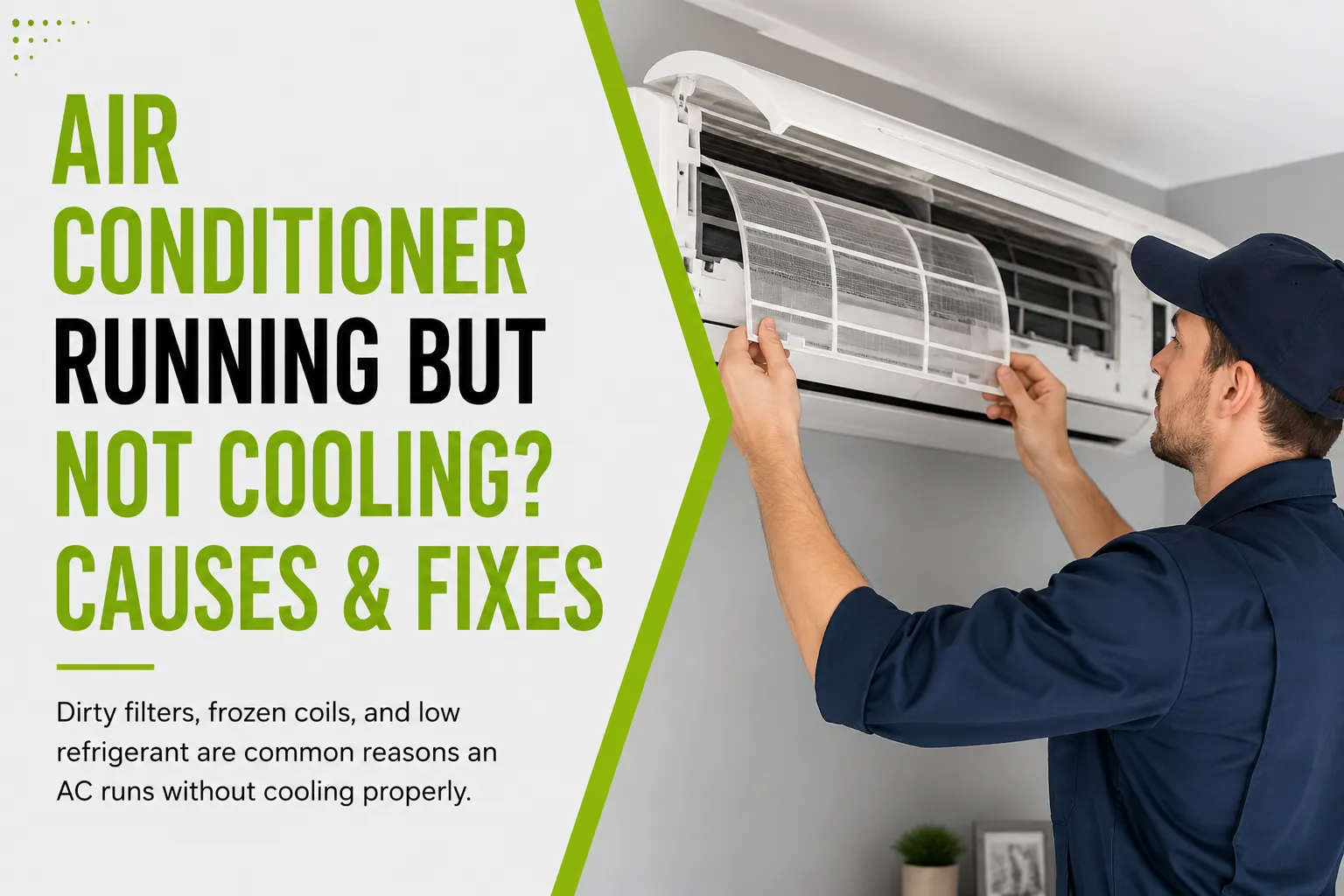
Replacing filters is one of the simplest yet most overlooked tasks. Dirty filters restrict airflow, force equipment to work harder, and reduce indoor comfort. Clean filters help keep the system running efficiently while supporting healthier indoor air.
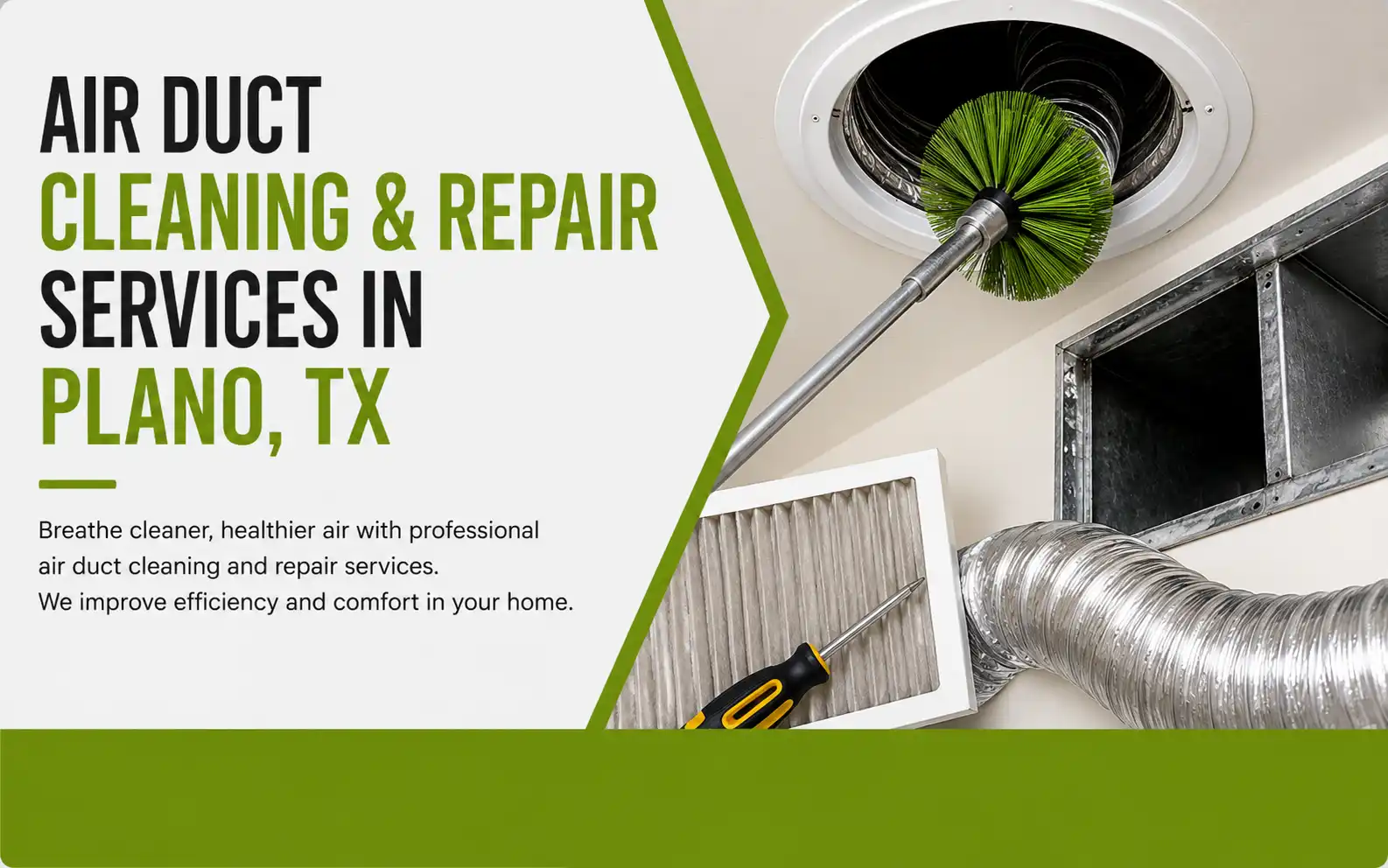
Homeowners should also inspect vents and registers throughout the house. Dust accumulation can impact airflow and efficiency. If airflow problems persist, reading about dirty ducts can help identify underlying issues affecting performance.
Understanding a Complete HVAC Preventative Maintenance Checklist
A comprehensive HVAC preventative maintenance checklist extends beyond changing filters. Professional inspections often include testing safety controls, evaluating airflow, inspecting combustion systems, and verifying thermostat operation. These steps help identify hidden concerns before they become major problems.
Preventative service also focuses on maintaining proper system balance. Components that appear functional may still be operating inefficiently. Regular preventative maintenance improves reliability, protects equipment investments, and provides valuable peace of mind heading into winter.
| Maintenance Task | Recommended Frequency | Benefit |
| Filter Replacement | Every 1-3 Months | Improved airflow and efficiency |
| Thermostat Testing | Every Fall | Accurate temperature control |
| Duct Inspection | Annually | Reduced energy loss |
| Electrical Inspection | Annually | Enhanced safety |
| Professional Tune-Up | Every Fall | Reduced repair risk |
Fast Solutions Before Winter Arrives
Some HVAC maintenance tasks before winter can be completed quickly and still provide meaningful benefits. Replacing filters, checking thermostat batteries, and clearing debris around the outdoor unit are excellent starting points. These small improvements can help reduce unnecessary strain on your equipment.
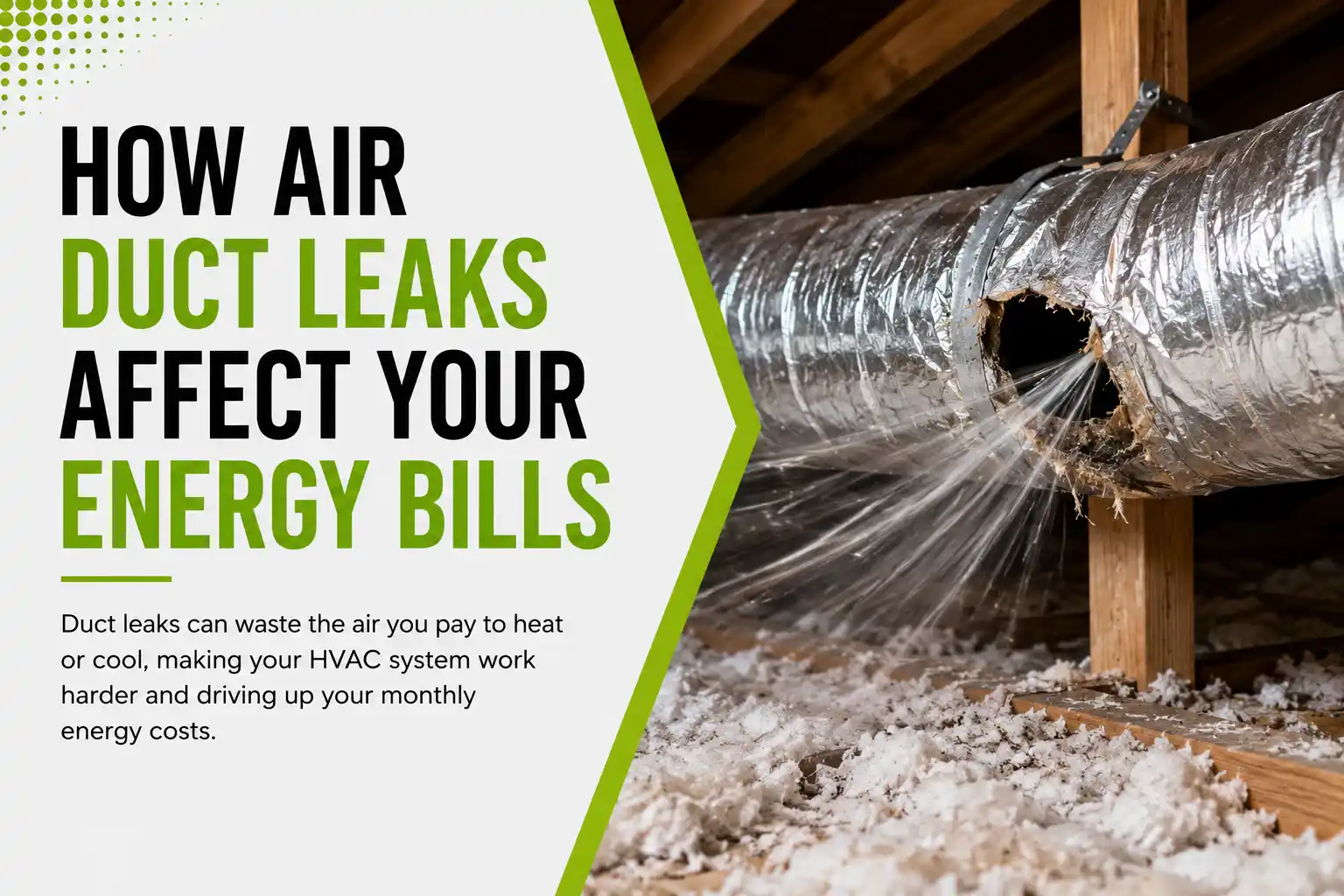
Homeowners should also inspect visible ductwork for gaps, disconnected sections, or signs of moisture. Leaky ducts can waste conditioned air and reduce comfort. If airflow remains inconsistent, consider reviewing information about poor airflow to identify additional causes.
System and Home Improvement Solutions for Better Performance
Seasonal maintenance should be part of a broader fall home maintenance checklist. Proper insulation, sealed ductwork, and balanced airflow all contribute to HVAC efficiency. Homes with aging systems may benefit from targeted upgrades that improve comfort and reduce operating costs.
Additional improvements may include upgrading thermostats, improving ventilation, and addressing indoor air quality concerns. Many homeowners overlook how duct cleanliness affects efficiency. If dust buildup is present, reviewing information about duct benefits can help determine whether professional cleaning is appropriate.
- Improve attic insulation.
- Seal duct leaks.
- Install a programmable thermostat.
- Improve indoor air quality systems.
- Upgrade aging HVAC components.
DIY vs Professional HVAC Tune Up Checklist
Many homeowners attempt DIY maintenance to save money. While basic tasks such as replacing filters and cleaning vents are appropriate, more advanced inspections require specialized training and equipment. Diagnosing heating performance issues often involves evaluating combustion systems, airflow measurements, and safety controls.
A professional HVAC technician can identify concerns that are difficult to detect during a visual inspection. Problems involving heat exchangers, refrigerant systems, electrical components, and safety devices should always be handled by trained professionals. This is one reason a complete HVAC tune up checklist includes far more than basic cleaning.
- DIY: Replace filters.
- DIY: Clean vents and registers.
- DIY: Remove debris from outdoor equipment.
- Professional: Electrical testing.
- Professional: Heat exchanger inspection.
- Professional: System performance analysis.
Signs Professional Service Is Needed
Certain warning signs indicate it is time to schedule a professional inspection. Unusual noises, inconsistent temperatures, frequent cycling, rising utility bills, and weak airflow often signal underlying mechanical issues. Ignoring these symptoms can increase repair costs and shorten equipment lifespan.
Other warning signs include strange odors when the furnace starts, visible corrosion, excessive dust, or a system that struggles to maintain temperature settings. Homes with a heat pump or integrated water heater systems may require additional evaluation to ensure all connected equipment is operating properly.
Why Homeowners Trust Professional Seasonal Maintenance
Professional maintenance provides benefits that go beyond simple cleaning. Technicians perform detailed inspections designed to improve safety, reliability, and efficiency. They evaluate critical components, identify wear patterns, and help homeowners avoid emergency service calls during peak heating season.
Companies with experience servicing HVAC systems understand how local climate conditions impact performance. The team at Air n Fires focuses on thorough inspections, detailed diagnostics, and practical recommendations that help homeowners protect their investment while maintaining indoor comfort throughout the year.
Additional information from trusted organizations can help homeowners better understand HVAC performance and maintenance requirements. Helpful resources include the U.S. Department of Energy, Penn State Extension, and ASHRAE. Many homeowners also discuss maintenance experiences on Reddit, reference technical concepts on Wikipedia, and compare advice through Quora discussions.
FAQs About HVAC Fall Maintenance
How often should fall HVAC maintenance be performed?
Fall HVAC maintenance should be performed annually before colder weather arrives. A yearly inspection helps identify developing issues, improve efficiency, and reduce the likelihood of unexpected breakdowns during peak heating season.
What is included in an HVAC preventative maintenance checklist?
A typical HVAC preventative maintenance checklist includes filter replacement, thermostat testing, electrical inspections, airflow evaluation, safety control testing, duct inspection, and equipment cleaning to ensure reliable operation.
What are the most important HVAC maintenance tasks before winter?
The most important HVAC maintenance tasks before winter include replacing filters, testing heating operation, cleaning outdoor equipment, inspecting ductwork, and scheduling a professional system tune-up.
How does a HVAC tune up checklist improve efficiency?
A complete HVAC tune up checklist helps identify worn components, airflow restrictions, and operational inefficiencies. Addressing these issues allows the system to operate more effectively while lowering energy consumption.
Are fall HVAC maintenance tasks homeowners forget common in Texas?
Yes. Many fall HVAC maintenance tasks homeowners forget Texas residents include involve neglected filters, dirty outdoor units, unsealed ductwork, and skipped professional inspections before winter weather arrives.
Should heat pumps receive fall maintenance?
Absolutely. A heat pump operates year-round and benefits greatly from seasonal inspections. Routine maintenance helps improve performance, reduce wear, and support efficient heating during colder months.
Schedule Your Fall HVAC Inspection
Seasonal maintenance is one of the most cost-effective ways to protect your heating equipment and avoid unexpected repairs. Whether your goal is improving efficiency, extending equipment lifespan, or ensuring reliable comfort, a professional inspection can uncover issues before they become expensive emergencies.
Conclusion
Completing the fall HVAC maintenance tasks homeowners forget can make a significant difference in comfort, efficiency, and long-term equipment reliability. From replacing filters to inspecting critical components, proactive maintenance helps keep your HVAC system operating safely and efficiently throughout winter. If you want expert assistance, contact Air n Fires to schedule service, discuss concerns, and prepare your home for the colder months ahead.