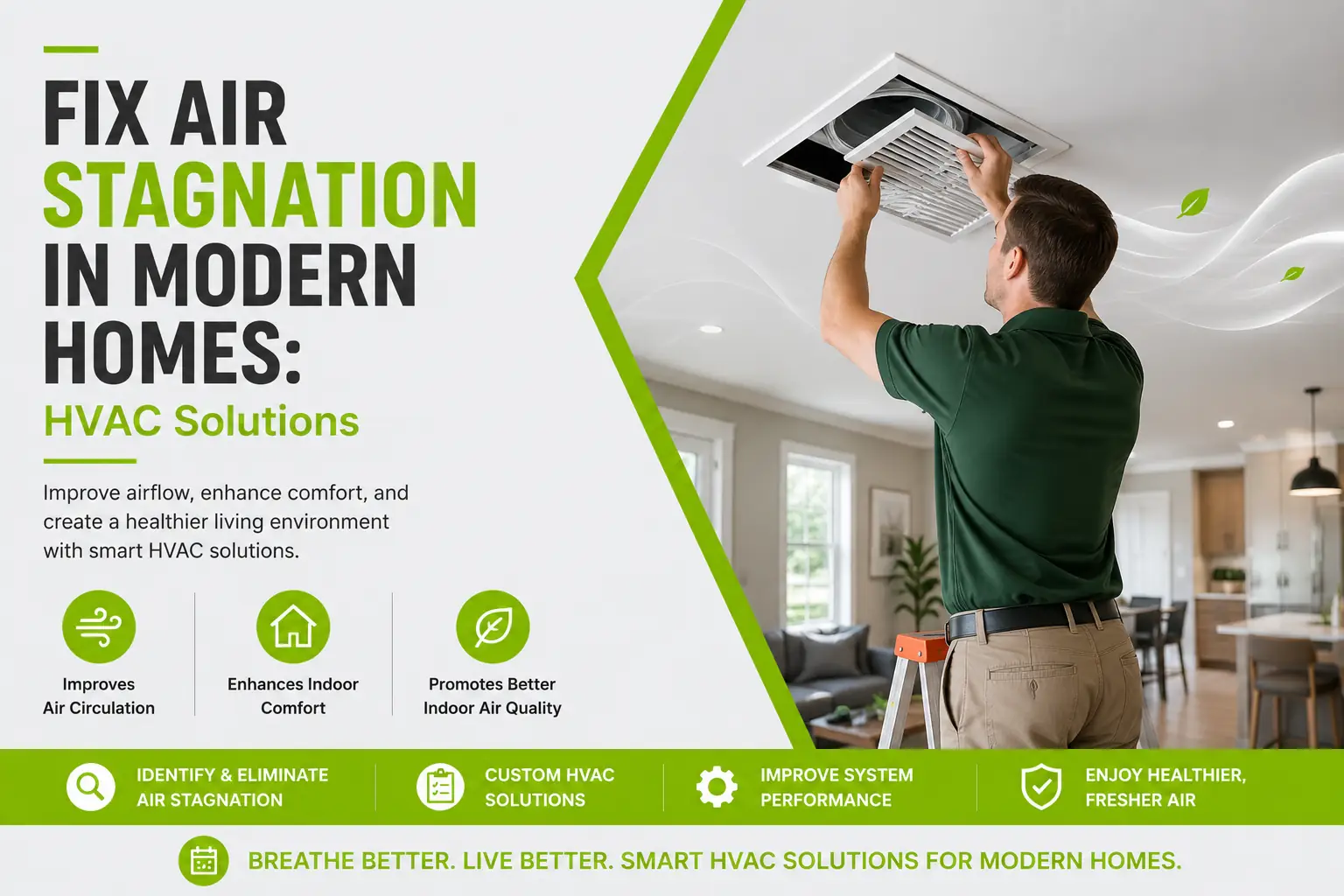

Modern homes are built for energy efficiency, but this often leads to air stagnation problems in closed modern homes. When outdoor air exchange is limited, indoor spaces begin to trap stale air, particulate matter, and other indoor air pollutant buildup. This creates stagnant air conditions that affect comfort and health.
In this guide, we will break down practical HVAC and ventilation solutions that actually work. For deeper strategies on improving airflow and indoor quality, you can also explore improving indoor air quality as a foundation step.
Why air stagnation problems in closed modern homes matter for health and comfort
When a home has limited air circulation, it begins to accumulate stagnant air in room conditions that trap odors, moisture, and contaminants. This leads to poor air quality and increased exposure to air pollution indoors. Many homeowners confuse stagnant air meaning with simple stuffiness, but it is actually a ventilation imbalance problem that can worsen respiratory health over time.
Scientific studies show that poor indoor airflow can increase long term health risks, especially in tightly sealed buildings. According to EPA indoor air quality guidelines, modern insulation materials and airtight construction often reduce natural air exchange. Communities like Reddit’s Home Improvement forum frequently highlight similar concerns about stale indoor environments.
Understanding stale air meaning and causes in modern HVAC environments
The stale air meaning refers to air that has lost circulation and oxygen renewal due to insufficient ventilation system performance. In homes with closed windows and energy efficient insulation, air stagnation becomes more noticeable. This trapped air often contains elevated levels of particulate matter and humidity imbalances that make rooms feel uncomfortable and heavy.
According to indoor air quality research, stale environments often develop when HVAC systems are undersized or poorly maintained. On platforms like indoor air discussions, homeowners frequently report similar symptoms such as musty smells and uneven airflow.
Main practical fixes for stale air in house and ventilation imbalance
Fixing stale air in house conditions starts with improving controlled air exchange. Opening windows periodically helps, but modern homes require mechanical support through HVAC balancing. A properly designed ventilation system ensures fresh outdoor air replaces trapped indoor air without sacrificing energy efficiency or cooling performance.
Below are some of the most effective solutions:
- Install balanced ventilation systems for consistent air exchange
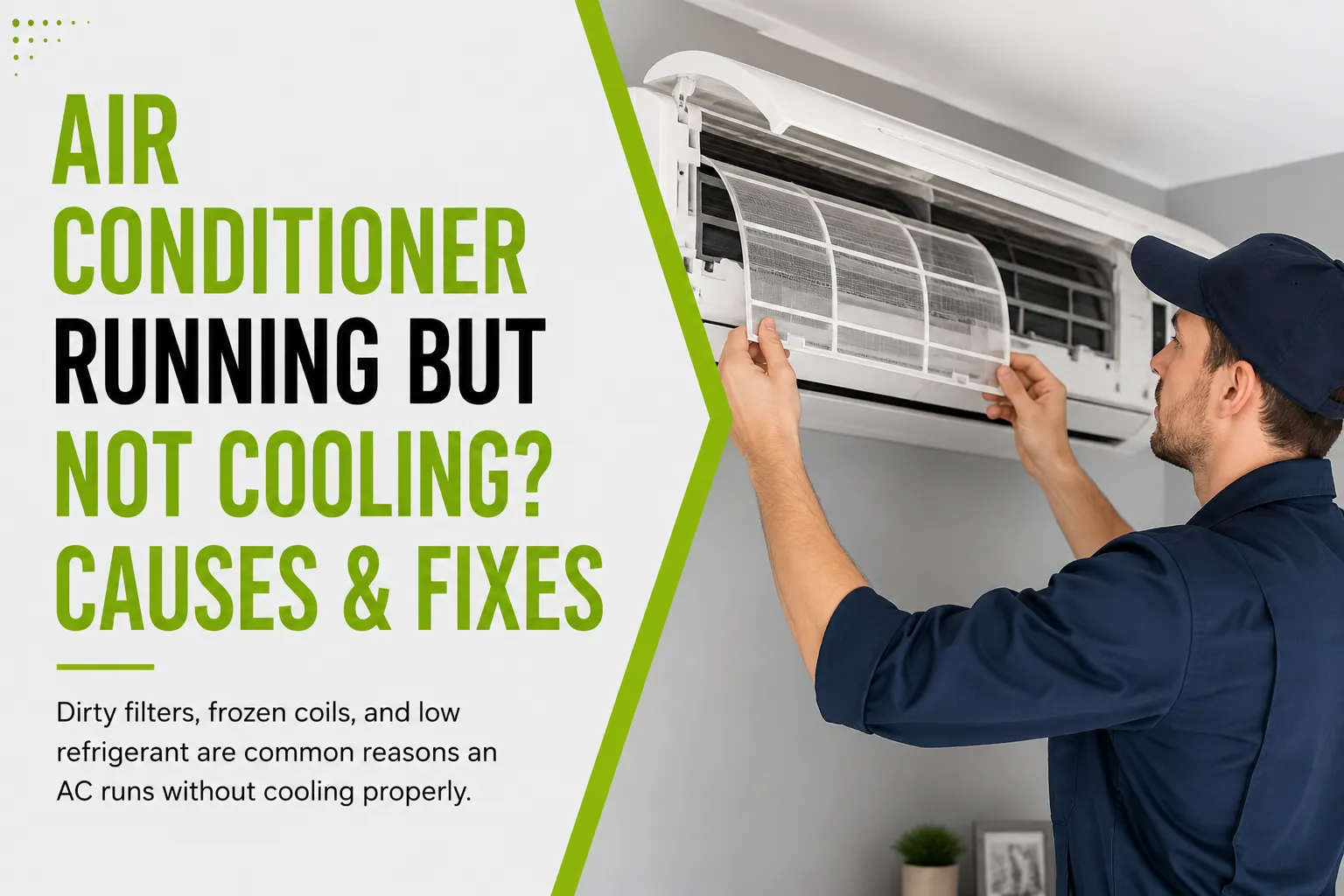
- Replace clogged air filters regularly to maintain airflow
- Use high quality air purifiers for reducing contaminants
- Maintain proper humidity levels to prevent stagnant conditions
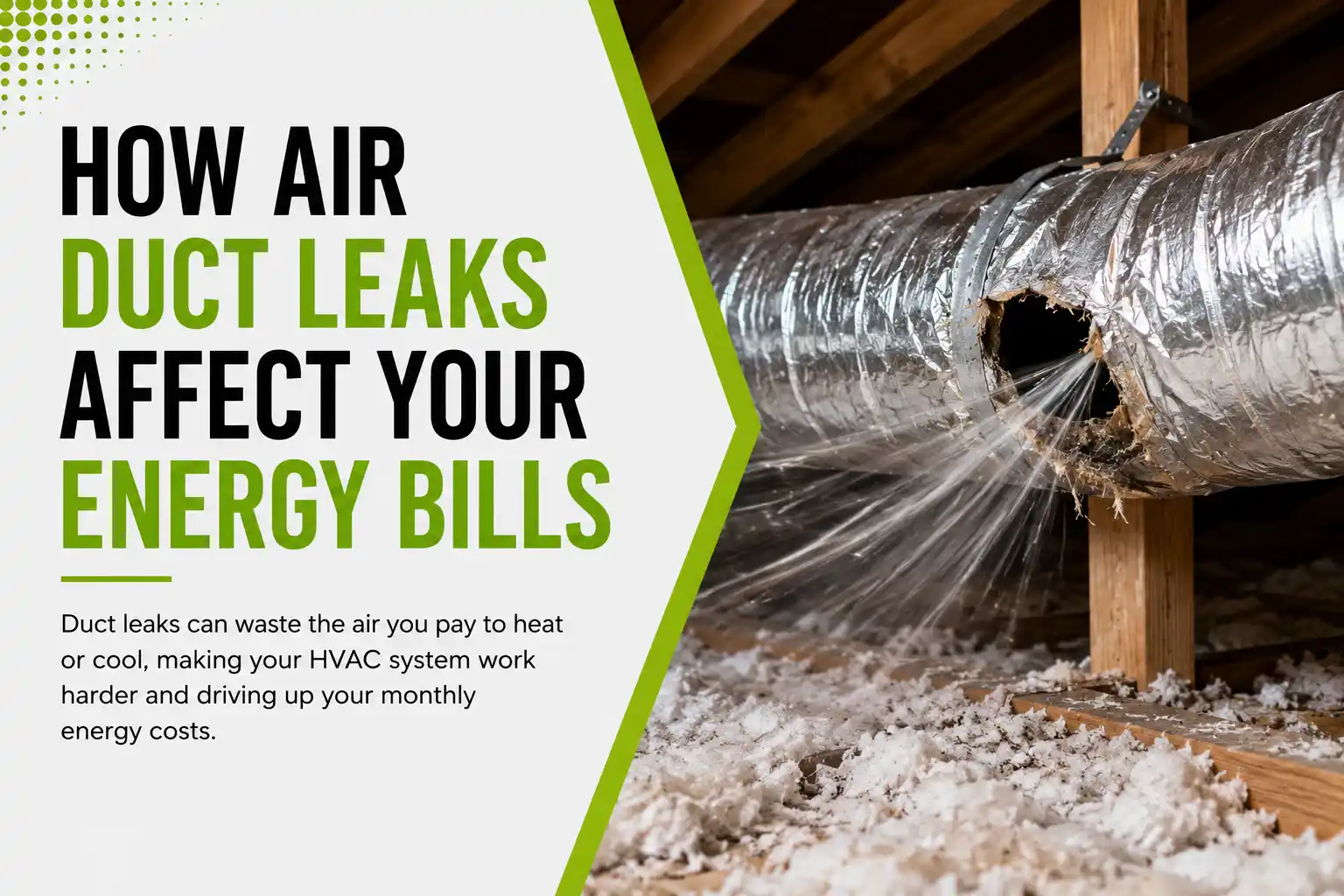
- Inspect HVAC ducts for blockages affecting cooling systems
Research from University of Minnesota Extension shows that improving airflow reduces indoor pollutant concentration significantly when combined with HVAC maintenance and filtration upgrades.
Fast solutions for stagnant air in rooms and closed spaces
When dealing with stagnant air in specific rooms, fast interventions can provide immediate relief. Ceiling fans help redistribute trapped air, while portable air purifiers improve circulation in confined areas. However, these are temporary fixes and do not solve underlying HVAC inefficiencies causing air stagnation.
Quick actions include repositioning furniture to avoid airflow obstruction and ensuring vents are not blocked. Even small adjustments in heating and cooling systems can improve how air moves through the home. However, consistent problems usually indicate a deeper duct or ventilation issue that requires professional inspection.
System improvements for long-term air stagnation control
Long-term control of air stagnation problems in closed modern homes requires HVAC system upgrades. Energy efficient homes often reduce air leakage, which limits natural ventilation. Installing ERV or HRV systems improves air exchange while maintaining energy efficiency, making them ideal for modern housing structures.
According to ASHRAE indoor air quality standards, proper ventilation design is essential for maintaining balanced airflow. Upgrading duct systems and ensuring proper sealing also helps prevent stagnant zones in different parts of the home.
| Problem Area | Cause | Impact |
| Living Room | Poor air circulation | stagnant air in room, discomfort |
| Bedrooms | Closed doors and windows | stale air, sleep disruption |
| Kitchen | Cooking pollutants | indoor air pollutant buildup |
| Entire Home | HVAC imbalance | air stagnation and humidity issues |
DIY vs professional solutions for ventilation issues
DIY fixes such as opening windows or using fans can temporarily reduce stale air, but they rarely solve systemic HVAC problems. Most air stagnation problems in closed modern homes are caused by duct inefficiencies, clogged filters, or improper system sizing, which require technical diagnostics.
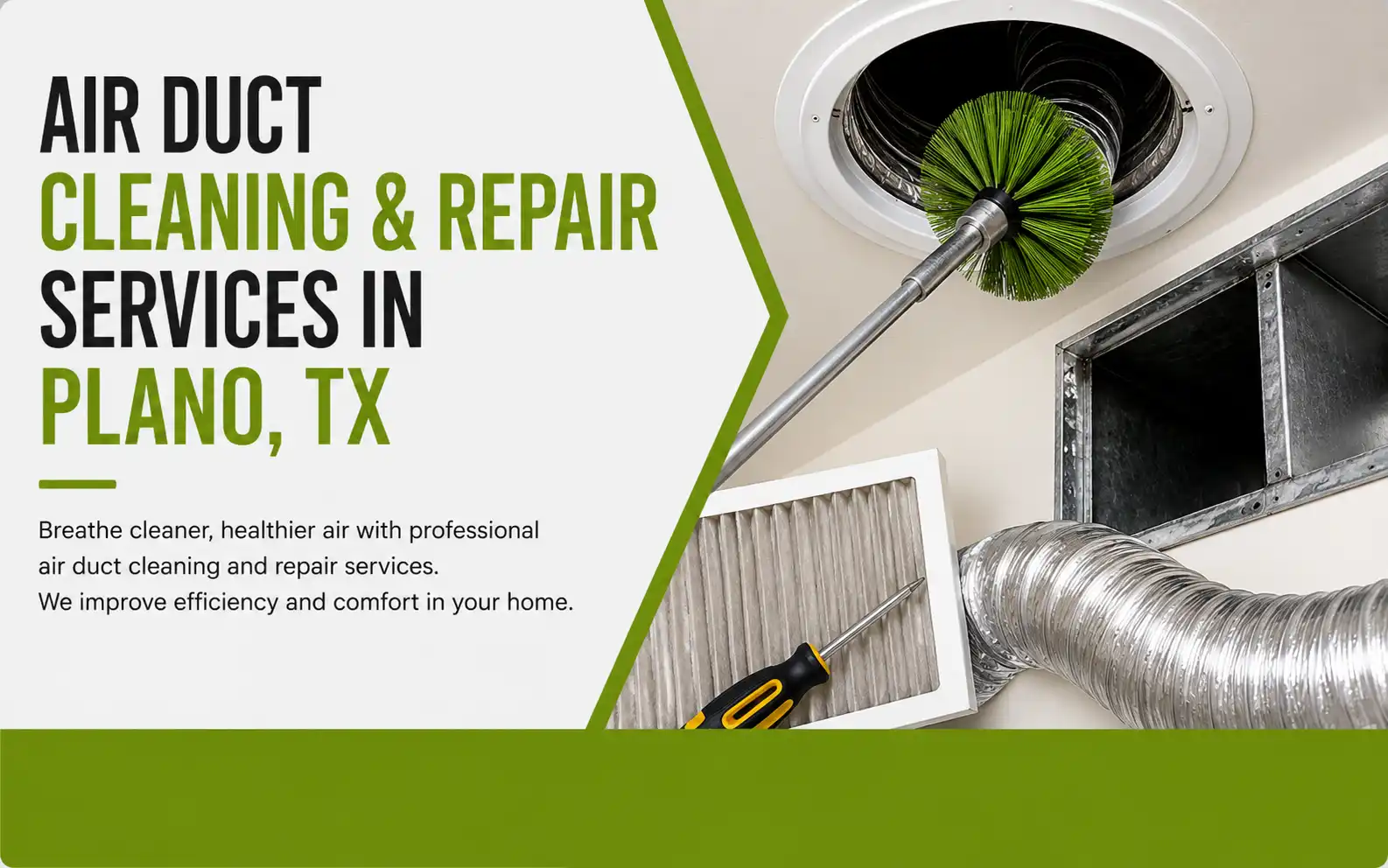
Professional services focus on airflow testing, duct inspection, and balancing the HVAC system for optimal air quality. Without this level of intervention, homeowners often continue experiencing recurring stagnant air meaning issues even after multiple DIY attempts.
Signs you need professional help for stale air in house conditions
If your home consistently feels heavy or humid, it may indicate serious ventilation issues. Persistent air stagnation can also signal blocked ducts or failing HVAC components. Recognizing these signs early can prevent long-term damage to your system and improve indoor comfort.
- Rooms feel stuffy even with HVAC running
- Uneven temperatures across the house
- Persistent odors or moisture buildup
- Increased dust around vents
- Weak airflow from registers
Ignoring these symptoms can worsen air pollution indoors and reduce HVAC efficiency over time, leading to higher energy costs and poor indoor living conditions.
Why choose professional HVAC solutions for air stagnation
Professional HVAC services ensure complete diagnosis of airflow problems, duct blockages, and system inefficiencies. Instead of temporary fixes, experts focus on long-term solutions that improve ventilation system performance and indoor comfort. This approach ensures consistent fresh air circulation and better energy efficiency.
Choosing expert service also reduces the risk of recurring stagnant air conditions and helps maintain healthier indoor environments. Proper maintenance improves cooling systems performance while reducing strain on HVAC equipment.
FAQs about stale air meaning and indoor air stagnation
What is stale air meaning in a house?
It refers to indoor air that has lost circulation and contains trapped pollutants, moisture, and odors. It often results from poor ventilation or sealed environments that restrict natural air exchange.
Why does stale air in house happen?
It happens when HVAC systems fail to circulate fresh air properly. Closed windows, clogged filters, and poor duct design contribute to reduced airflow and increased indoor air stagnation.
What causes stagnant air in room conditions?
Stagnant air occurs due to blocked vents, poor ventilation system balance, or lack of air movement. It leads to discomfort and buildup of indoor pollutants over time.
Is stagnant air harmful to health?
Yes, long exposure to stagnant air can increase respiratory issues, allergies, and exposure to indoor air pollutants, affecting overall long-term health and comfort.
How can I fix stale air meaning issues quickly?
You can use fans, open windows, and run air purifiers. However, long-term fixes require HVAC inspection and improved air exchange systems for proper airflow.
What is stagnant air meaning in HVAC systems?
It refers to air that is not moving properly through ducts or vents, often caused by system imbalance, clogging, or insufficient ventilation design.
Can air filters reduce air stagnation?
Air filters help improve air quality by trapping pollutants, but they do not fix airflow issues. Proper HVAC maintenance is required to fully resolve stagnation problems.
Final CTA: restoring healthy airflow in modern homes
Fixing air stagnation problems in closed modern homes requires more than surface-level solutions. It demands a combination of proper ventilation design, HVAC maintenance, and airflow balancing to restore healthy indoor conditions. When DIY fixes are not enough, professional help ensures long-lasting comfort and improved air quality.
For homeowners ready to improve their indoor environment, expert HVAC support can make a noticeable difference. Learn more or get started at Air n Fires, where airflow issues are diagnosed and resolved with precision for healthier living spaces.