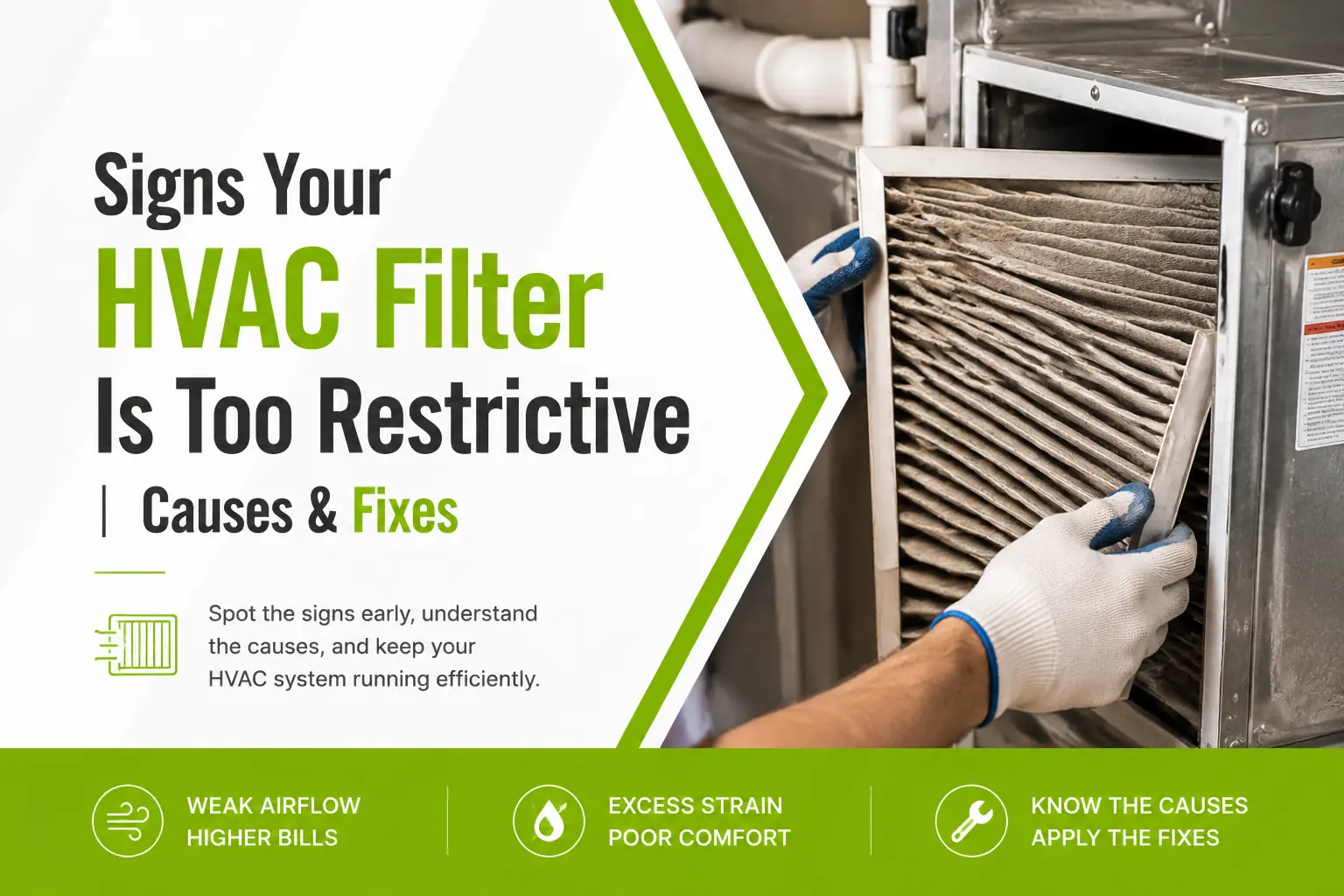

Many homeowners overlook one of the most important components of their heating and cooling system until comfort problems appear. One of the most common yet misunderstood issues is recognizing the signs your HVAC filter is too restrictive. While air filters are designed to capture contaminants and improve indoor air quality, the wrong filter or a dirty filter can severely impact system performance. A filter that restricts airflow forces your HVAC equipment to work harder, increases energy costs, reduces comfort, and may even shorten equipment lifespan. Understanding these warning signs can help you avoid expensive repairs and maintain healthy indoor air. If you are evaluating overall HVAC maintenance expenses, reviewing air duct cleaning costs can provide additional insight into long-term system care.
A healthy HVAC system depends on balanced air flow. When a filter is clogged or overly restrictive, the system struggles to move conditioned air throughout your home. This affects everything from cooling performance and humidity control to energy efficiency and indoor comfort. Identifying problems early allows homeowners to take corrective action before more serious damage occurs.
Why a Restrictive HVAC Filter Problem Matters
A restrictive filter creates resistance inside the HVAC system, limiting the amount of air that reaches critical components. As airflow decreases, your furnace and air conditioner must run longer cycles to achieve desired temperatures. This increased workload can raise utility bills while accelerating wear on motors, blowers, and coils. Many homeowners mistakenly assume a higher-rated filter automatically provides better performance, but excessive filtration can create significant airflow problems.
The issue becomes even more serious when an air filter is dirty or overloaded with dust and debris. Reduced airflow can lead to frozen evaporator coils, overheating furnaces, uneven room temperatures, and declining indoor air quality. According to research published by the U.S. Department of Energy, replacing dirty filters is one of the most effective ways to improve HVAC efficiency and system performance.
Main Symptoms of Air Filter Clogging and Restricted Airflow
The most obvious warning sign of air filter clogging is reduced airflow from supply vents. If some rooms feel warmer or cooler than others, your HVAC system may not be moving enough air. Homeowners often notice longer run times, difficulty maintaining thermostat settings, and increased energy bills. These issues typically develop gradually, making them easy to overlook until comfort problems become significant.
Another common indicator is increased dust accumulation throughout the home. Although filters are designed to capture contaminants, a severely clogged air filter HVAC system can create pressure imbalances that affect overall air circulation. Homeowners experiencing excessive dust may also benefit from learning more about dirty duct signs because airflow restrictions and duct contamination often occur together.
- Weak air flow from vents
- Uneven heating or cooling
- Higher monthly utility costs
- Longer HVAC operating cycles
- Increased household dust
- Poor humidity control
- Frequent HVAC shutdowns
Unusual Equipment Behavior
When airflow becomes severely restricted, HVAC components may operate outside their intended range. Furnaces can overheat and trigger safety shutdowns, while cooling systems may develop frozen coils. Homeowners sometimes hear unusual noises as blower motors attempt to compensate for reduced airflow. These operational issues are often among the earliest signs that a filter is restricting system performance.
Common Causes of a Blocked Air Filter
The most frequent cause of a blocked air filter is simple neglect. Many homeowners forget routine filter changes, allowing contaminants to accumulate until airflow becomes severely restricted. Homes with pets, construction dust, smokers, or high occupancy levels typically require more frequent filter replacement than standard manufacturer recommendations.
Another common problem involves selecting filters with excessively high MERV ratings. While advanced filtration captures smaller particles, not every HVAC system is designed to handle the increased resistance. Choosing a filter without considering system specifications can create the same symptoms as a dirty filter. Homeowners concerned about overall indoor contamination should also review information about improving indoor air quality to understand how filtration fits into a broader air quality strategy.
| Cause | Impact on HVAC System |
| Dirty filter | Reduced airflow and higher energy use |
| Overly high MERV rating | Excessive resistance and restricted circulation |
| Pet hair accumulation | Rapid filter blockage |
| Construction dust | Premature filter loading |
| Missed maintenance | System inefficiency and component stress |
Fast Solutions for a Clogged Air Filter
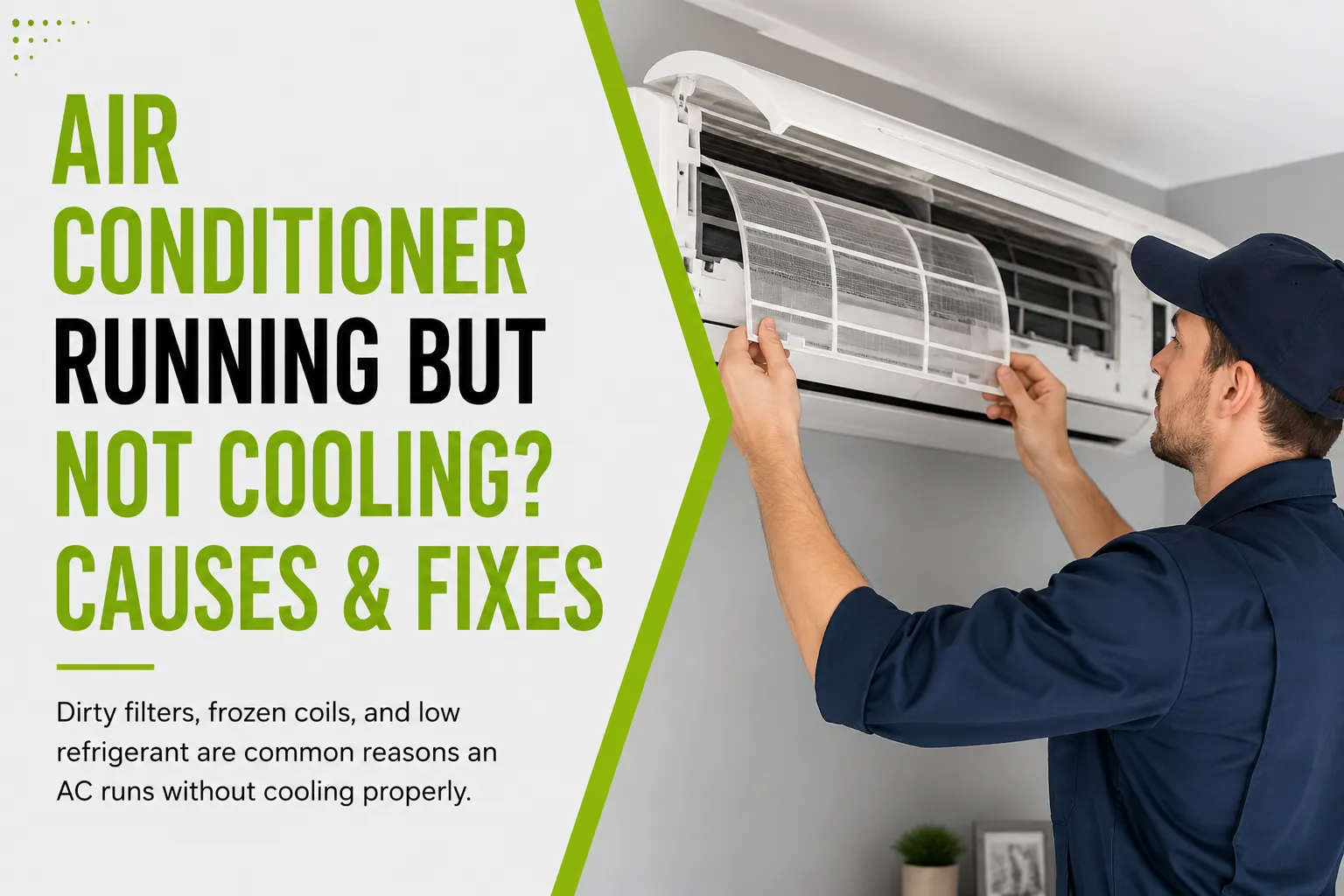
The quickest solution is inspecting the filter immediately. Remove the filter and examine its surface under good lighting. If visible layers of dirt, hair, or debris are present, replacing your air filter is typically the best course of action. Most disposable filters should not be cleaned and reused because doing so may damage the filtration media and reduce effectiveness.
Homeowners should also verify that the replacement filter matches HVAC manufacturer recommendations. Installing a clean air filter with an appropriate MERV rating restores proper airflow while maintaining effective filtration. If airflow remains weak after replacement, additional system issues may be contributing to the problem.
- Inspect filter monthly
- Replace dirty disposable filters
- Verify proper filter size
- Use recommended MERV ratings
- Check return vents for obstructions
- Schedule professional inspection if problems continue
Long-Term System Improvements for Better Air Flow
While filter replacement often resolves immediate problems, some homes experience recurring airflow issues due to underlying HVAC design concerns. Leaky ducts, improperly sized equipment, blocked returns, and dirty coils can all contribute to airflow restrictions. Professional system evaluation helps identify the root cause rather than simply treating symptoms.
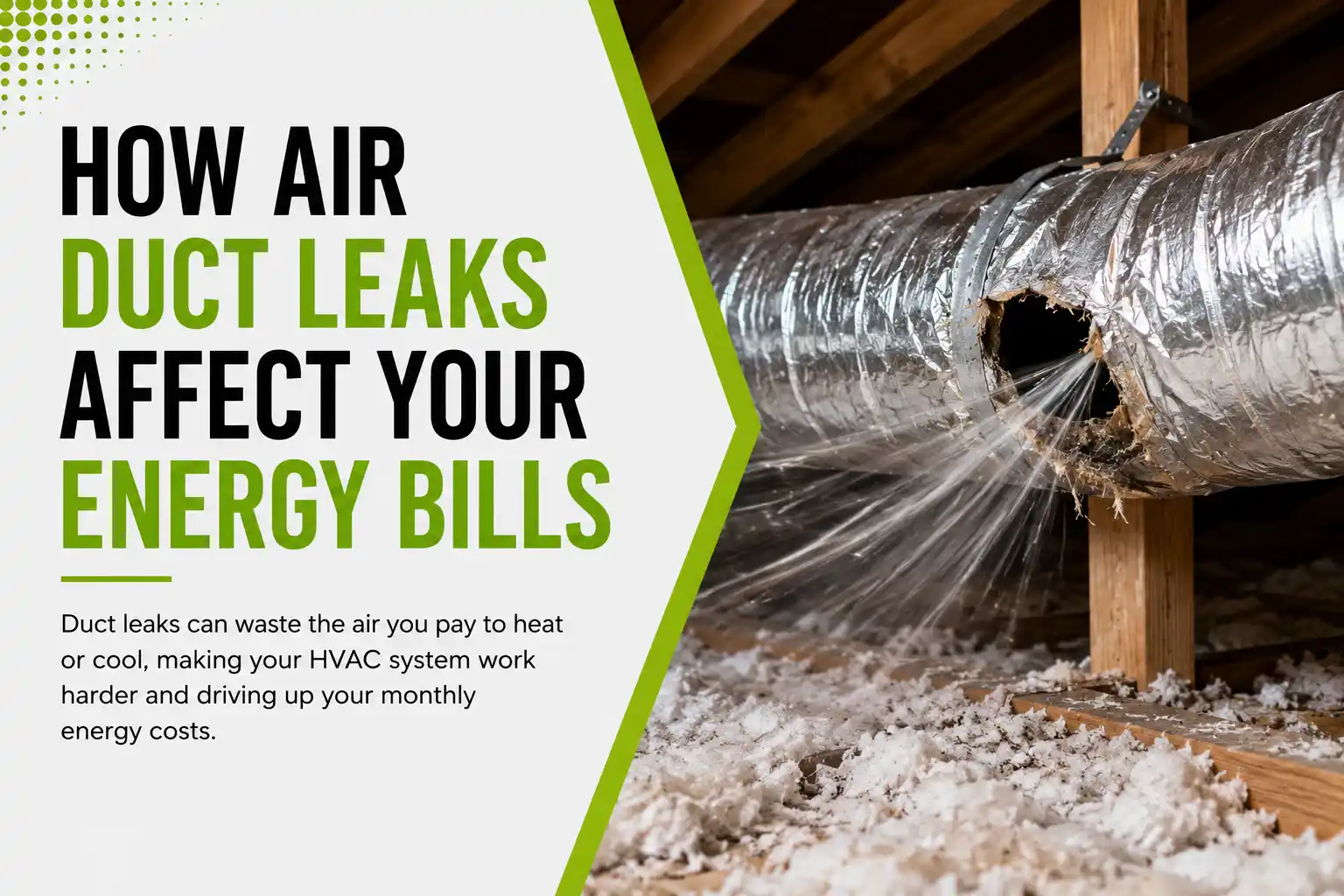
Proper duct maintenance also plays an important role in airflow performance. If contaminants accumulate throughout the duct network, overall efficiency may decline even with a new filter installed. Homeowners researching long-term HVAC performance improvements often find value in understanding whether air duct cleaning is worth it as part of a comprehensive maintenance strategy.
Indoor Air Quality Considerations
Effective filtration is only one part of healthy indoor air management. Humidity control, ventilation, duct cleanliness, and equipment maintenance all contribute to overall air quality. Studies from Harvard University’s Healthy Buildings Program emphasize the importance of proper airflow and ventilation in maintaining healthier indoor environments.
DIY vs Professional HVAC Filter and Airflow Diagnosis
DIY maintenance is effective for routine filter inspections and replacements. Homeowners can easily monitor filter condition, check vent airflow, and observe system performance trends. These simple tasks often prevent minor issues from escalating into expensive repairs. Online communities such as Reddit and Quora frequently discuss filter maintenance experiences, providing useful anecdotal insights from other homeowners.
However, DIY troubleshooting has limitations. Problems involving blower motors, duct restrictions, coil contamination, static pressure measurements, or equipment sizing require specialized diagnostic tools. Professional technicians can evaluate airflow throughout the entire system and identify issues that may not be visible during a basic inspection.
Signs Professional Service Is Needed
If symptoms persist after installing a clean air filter, professional evaluation becomes increasingly important. Continuing to operate a system with unresolved airflow restrictions can lead to costly component failures. Early diagnosis often prevents extensive repairs and improves overall HVAC reliability.
A professional inspection is particularly valuable when homeowners notice recurring comfort issues, unexplained energy increases, or repeated filter contamination. In some cases, dirty ductwork, damaged returns, restricted registers, or blower problems may be contributing factors. Additional information about airflow-related issues can be found in this guide on poor airflow fixes.
- Persistent weak airflow after filter replacement
- Frozen evaporator coils
- Overheating furnace conditions
- Frequent HVAC cycling problems
- Rapid filter contamination
- Unexpected energy bill increases
- Hot and cold room imbalances
Why Homeowners Choose Professional HVAC Experts
Professional technicians evaluate more than just the filter. They inspect static pressure, blower operation, duct integrity, return air pathways, and overall system performance. This comprehensive approach helps identify root causes rather than temporary fixes. Homeowners receive recommendations tailored to their specific equipment and household conditions.
At Air n Fires, technicians focus on improving system efficiency, indoor comfort, and long-term equipment performance through thorough inspections and practical solutions. Whether the issue involves filtration, ductwork, airflow balancing, or maintenance concerns, professional guidance helps ensure optimal HVAC operation year-round.
FAQs About Air Filter Clogging and Restricted HVAC Filters
What are the most common clogged air filter symptoms?
Common clogged air filter symptoms include weak airflow, higher utility bills, uneven room temperatures, excessive dust, longer HVAC run times, and reduced comfort throughout the home. These issues typically worsen as airflow restrictions increase.
How can I tell if I have a blocked air filter?
A blocked air filter often appears dark, dirty, and covered with debris. Reduced airflow from vents and increased HVAC run times are additional indicators that replacement may be necessary.
Can a clogged air filter HVAC system cause damage?
Yes. A severely clogged air filter HVAC system can contribute to frozen coils, overheating furnaces, stressed blower motors, and premature equipment wear. Long-term restriction may shorten system lifespan.
What are the signs of a bad air filter versus a dirty air filter?
The signs of a bad air filter often overlap with the signs of dirty air filter conditions. Both can reduce airflow, increase dust levels, and decrease HVAC efficiency. Physical damage or improper sizing may indicate a bad filter.
How often should I replace my HVAC air filters?
Most homes benefit from filter inspections every month and replacement every one to three months. Homes with pets, allergies, or heavy dust loads may require more frequent changes.
What is an air cleaner restriction indicator?
An air cleaner restriction indicator measures airflow resistance across a filter. As contamination increases, the indicator shows when restriction levels become excessive and filter replacement is recommended.
Can poor airflow affect fuel efficiency and engine performance?
In automotive applications, a dirty filter can affect air intake, engine performance, engine power, fuel efficiency, spark plugs, and even contribute to black smoke from the exhaust pipe. HVAC systems experience similar airflow-related efficiency losses.
Schedule an HVAC Airflow Evaluation
If you are noticing persistent airflow issues, rising utility bills, excessive dust, or other clogged air system symptoms, it may be time for a professional assessment. Early diagnosis can prevent equipment damage, improve comfort, and restore efficient operation. A thorough inspection helps identify whether the problem involves filters, ductwork, airflow balance, or other HVAC components.
Conclusion
Recognizing the signs your HVAC filter is too restrictive is one of the simplest ways to protect your heating and cooling investment. Whether the issue stems from air filter clogging, improper filter selection, or broader airflow restrictions, addressing the problem promptly can improve comfort, efficiency, and indoor air quality.
If symptoms persist after replacing the filter, professional evaluation is often the smartest next step. For trusted HVAC airflow and duct system solutions, contact Air n Fires to schedule an inspection and keep your system operating at peak performance.