

If your home feels stuffy, certain rooms never cool down properly, or your energy bills keep climbing, the root cause is often poor airflow. Knowing how to improve airflow in house and improve AC efficiency is not just about comfort. It directly affects your energy costs, the lifespan of your HVAC system, and the overall air quality inside your living space.
Whether you are in Dallas, Plano, or Fort Worth TX, the heat makes this issue even more urgent. This guide breaks down exactly what causes poor airflow and what you can do about it today.
Why Poor Airflow Happens in Most Homes
Most homeowners do not realize that their air conditioning system depends on a balanced flow of air to work correctly. When that balance is disrupted, the system has to work harder to push air through the home, which drives up energy consumption and creates hot and cold spots throughout the house. The most common culprits are clogged filters, blocked vents, leaky ductwork, and poor insulation around the ventilation system. Each of these problems compounds the others, so even a single issue can throw off the performance of your entire setup.
In Texas homes especially, where systems run almost year-round, the wear on air filters and duct seals happens faster than in cooler climates. Stale air that recirculates without being properly filtered or cooled becomes a health concern on top of a comfort issue. If you have noticed that certain rooms feel warmer or that you keep adjusting the thermostat without getting real relief, your system likely has an airflow problem that simple cleaning or adjustments can fix. You can also learn more about improving indoor air quality to understand how airflow and air quality connect inside your home.
How to Improve Airflow in House: Start with the Basics
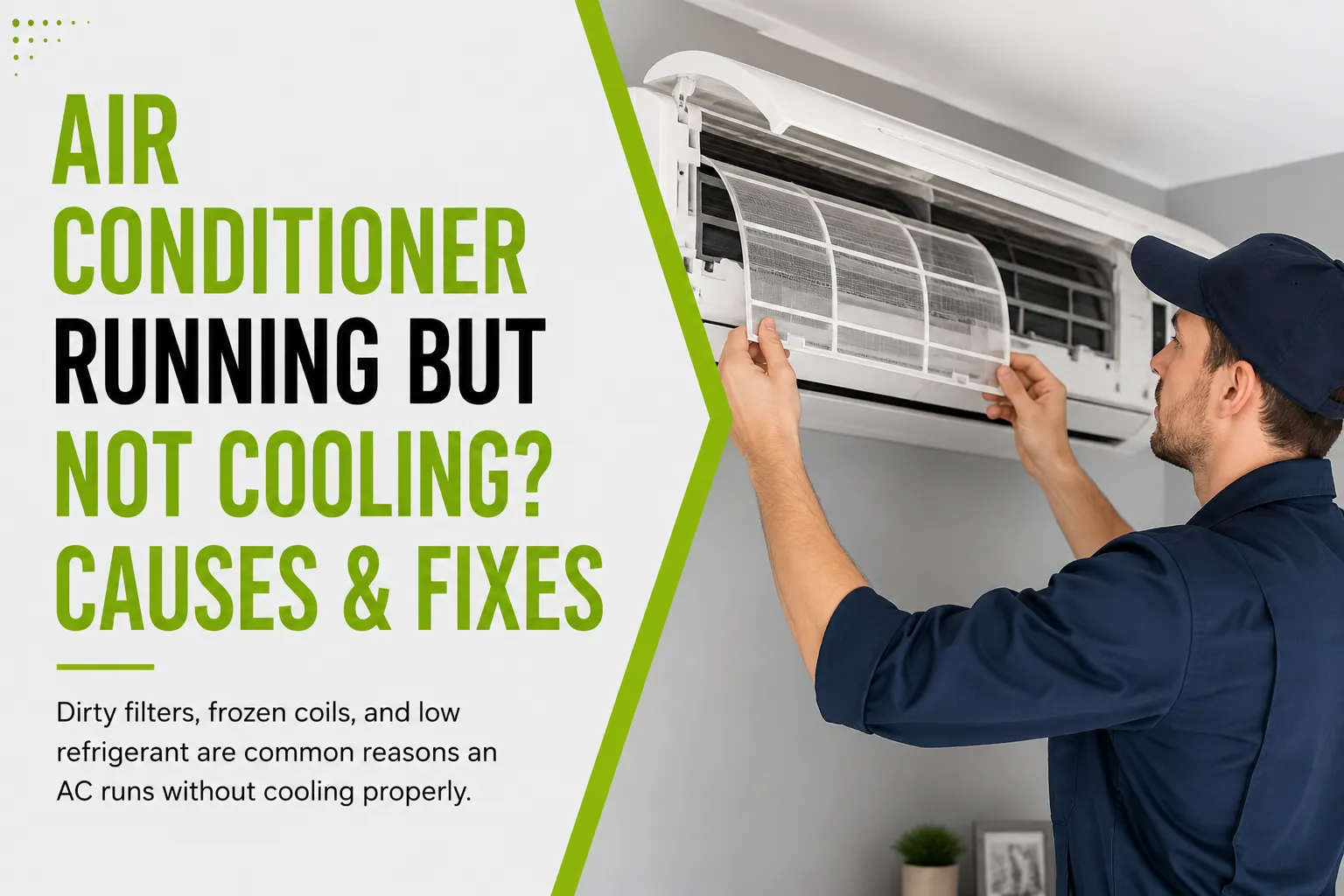
The first and most impactful step to improve air circulation in house is checking and replacing your air filters. A dirty filter restricts airflow so significantly that it can reduce system efficiency by 15 percent or more. Filters should be replaced every 30 to 90 days depending on usage, pets, and local dust levels. In areas like Fort Worth TX, where dust and pollen levels are high, checking filters every month is a smart habit. Beyond filters, make sure every supply and return vent in your home is fully open and unobstructed by furniture, rugs, or curtains.
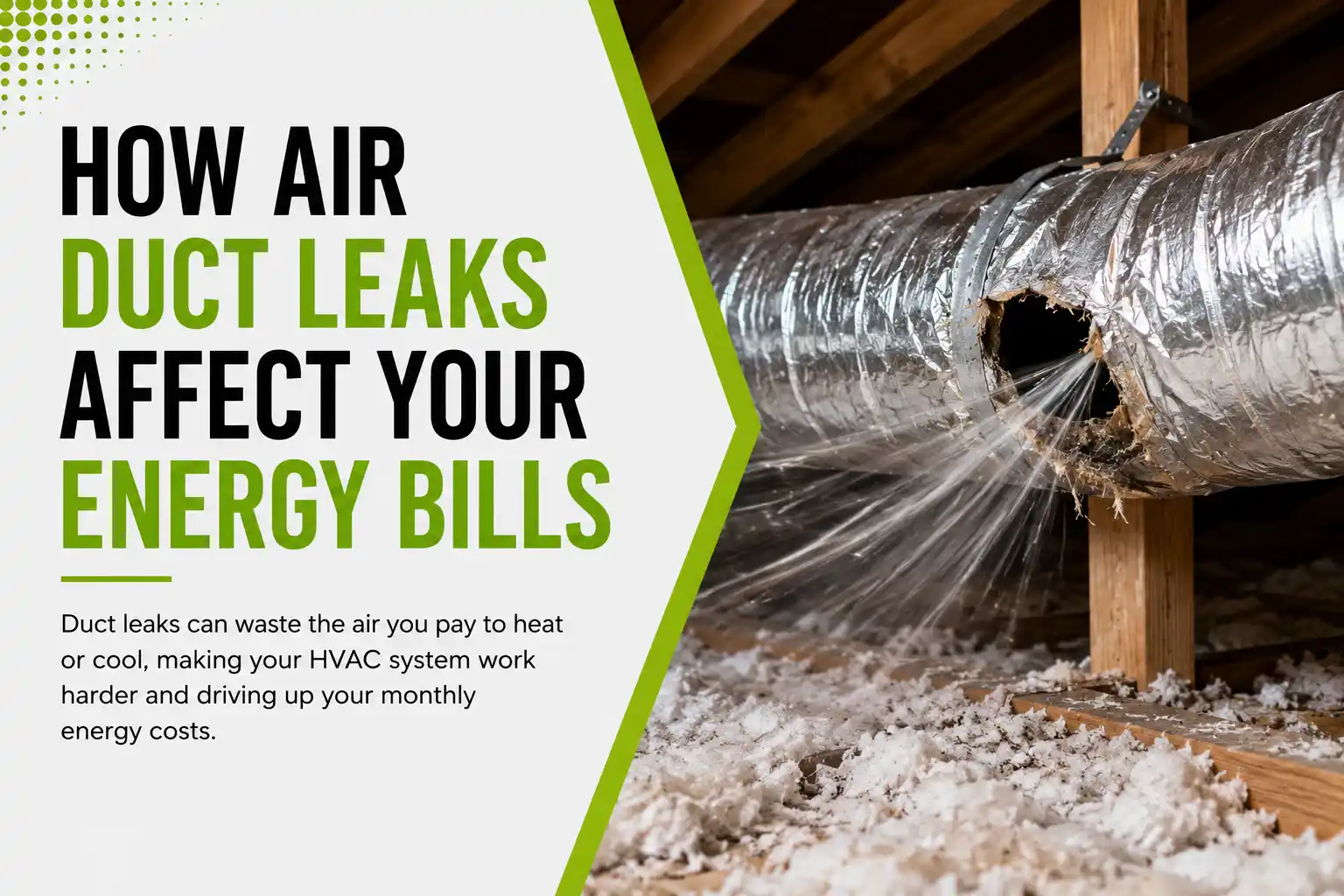
Another overlooked fix is checking for air leaks around windows, doors, and duct connections. When conditioned air escapes before it reaches the rooms it is meant to cool, your system loses efficiency and your home loses consistent comfort. Sealing those gaps with weatherstripping or caulk is inexpensive and has an immediate impact on how your home feels. For homes with older ductwork, air leaks in the ducts themselves are a much bigger problem and usually require a professional inspection to locate and fix properly.
Replace or Clean Clogged Filters Regularly
A clogged filter is the single most common reason an HVAC system underperforms. When the filter is choked with dust and debris, the system cannot draw in enough air to improve air circulation through the home. Use MERV-rated filters appropriate for your system and replace them on a consistent schedule to maintain comfort and efficiency without putting unnecessary strain on the blower motor.
Open and Clear All Vents Throughout Your Living Space
Closing vents in unused rooms might seem like it saves energy, but it actually increases pressure in the duct system and forces air leaks at weak points. Keep all vents open and make sure nothing is blocking them. This allows the system to distribute fresh air evenly and maintain better air flow throughout your entire home.
How to Increase Airflow in HVAC System Through Duct Maintenance
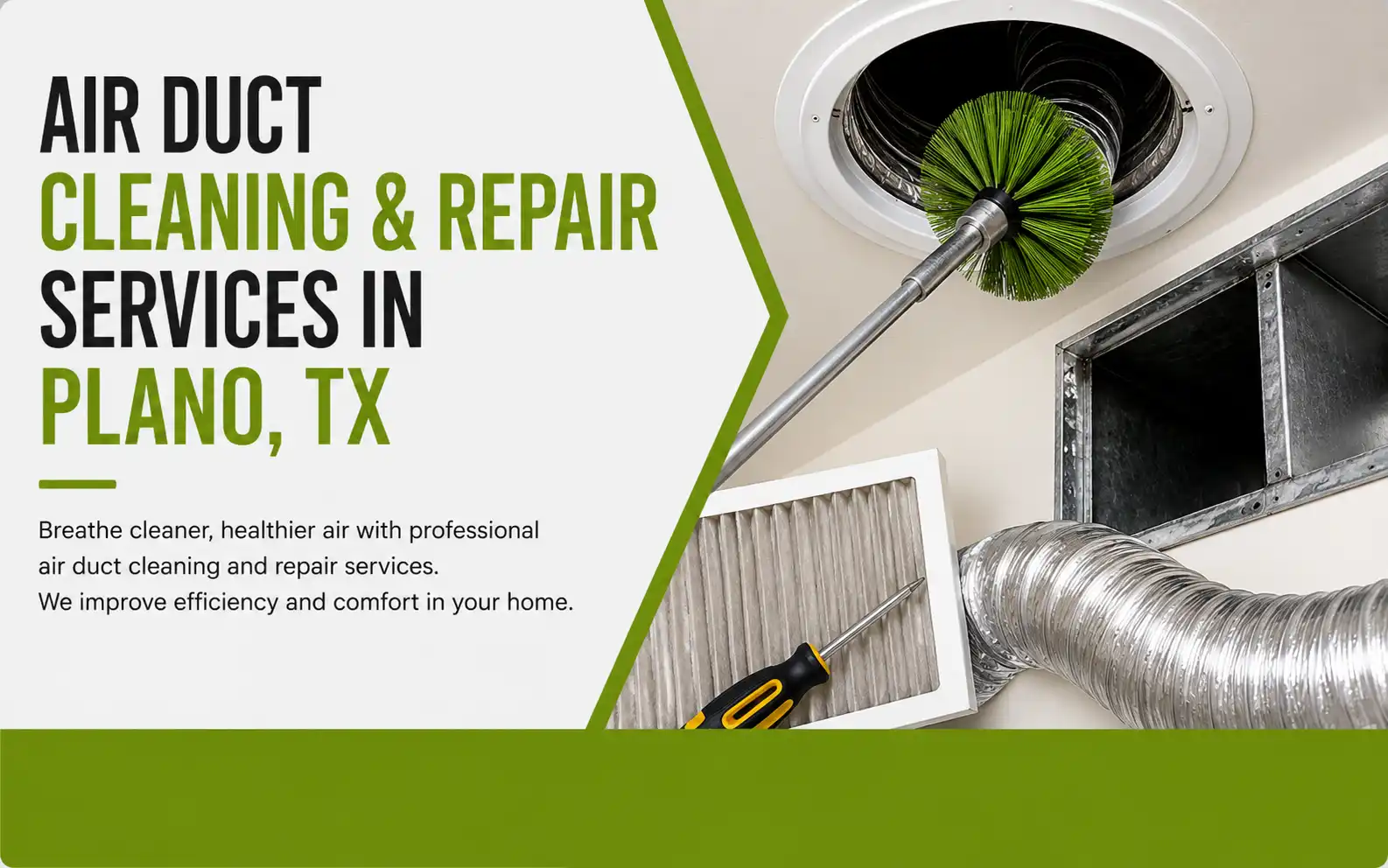
Your duct system is the highway that carries conditioned air from your heating and cooling unit to every room. If those ducts are dirty, disconnected, or improperly sized, no amount of thermostat adjusting will fix the problem. How to increase airflow in HVAC system really comes down to the condition of your ductwork. Ducts that have not been cleaned in several years accumulate layers of dust, debris, and sometimes even mold, all of which restrict airflow and reduce the quality of air reaching your rooms. A professional duct cleaning service removes that buildup and restores proper flow throughout the system.
Beyond cleaning, duct repairs matter just as much. Loose joints, collapsed sections, or undersized ducts create bottlenecks that your system cannot overcome no matter how hard it runs. If certain rooms in your home are consistently harder to cool or heat, the duct serving that area is likely the problem. A qualified technician can inspect the entire run of ductwork, identify weak points, and repair or replace sections that are hurting your system. You can read more about common duct repair problems to understand what to look for before calling a pro.
Signs Your Ducts Are Restricting Air Circulation
Uneven temperatures between rooms, a noticeable drop in airflow from certain vents, and whistling or rattling sounds from the duct system are all signs of restricted airflow inside your ducts. These issues rarely resolve on their own and tend to get worse over time, increasing both energy costs and wear on your HVAC system.
How to Increase Air Flow in Room with Smart Ventilation Strategies
When you want to know how to increase air flow in room, the answer often involves more than just the central system. Strategic use of ceiling fans, portable fans, and exhaust fans can dramatically change how a room feels. Ceiling fans should run counterclockwise in summer to push air downward and create a cooling effect. Exhaust fans in kitchens and bathrooms pull heat and moisture out of the home, reducing the load on your air conditioner and helping improve air circulation throughout the house. According to the U.S. Department of Energy, using ceiling fans allows you to raise the thermostat setting about 4 degrees without reducing comfort.
In mild weather, strategically open windows on opposite sides of the house to create cross-ventilation. This natural airflow flushes out stale air and brings in fresh air without running your system at all. However, during peak summer heat in Texas, this strategy works best in the early morning or late evening when outdoor temperatures drop. Pairing natural ventilation with your central system during those transition hours can meaningfully cut energy consumption while still keeping your living space comfortable. If you want to go deeper on this topic, explore the signs your air ducts need cleaning as a starting point for a full system review.
Use Exhaust Fans to Support Your Main System
Kitchen and bathroom exhaust fans do more than remove odors. They actively pull hot, humid air out of your home, which lowers the workload on your central air conditioning unit. Running these fans during and after cooking or bathing keeps moisture from building up in your living space and helps the whole ventilation system perform better.
Improve Home Airflow in Dallas, Plano, and Fort Worth TX
Texas homes face unique challenges when it comes to airflow and air conditioning efficiency. The extreme heat in summer means systems run for months at full capacity, accelerating wear on air filters, duct seals, and equipment. Homeowners in Dallas, Plano, and Fort Worth TX dealing with how to improve airflow in house and improve AC efficiency need solutions built for the local climate. That means more frequent filter changes, regular duct inspections, and ensuring the system is properly sized for the square footage and layout of the home.
The combination of high dust levels, pollen, and humidity in North Texas also means clogged filters and dirty ducts are more common here than in other parts of the country. A system that runs well in spring can start struggling by July if maintenance has been skipped. Homeowners in Plano looking to improve home airflow and reduce those summer energy bills should schedule a professional duct inspection before the peak cooling season hits. Getting ahead of the problem is always cheaper and less stressful than dealing with a breakdown in August. Research published by Penn State Extension confirms that proper home ventilation and air sealing can reduce energy use significantly in hot climates.
Better Air Flow Starts with the Right System Size
An oversized or undersized HVAC system cannot achieve consistent comfort no matter how well it is maintained. A unit that is too large short-cycles, meaning it turns on and off too frequently and never properly dehumidifies the home. A unit that is too small runs constantly and still cannot cool the space. Proper load calculations during installation are critical to long-term comfort and efficiency.
Signs Professional Service Is Needed to Improve Air Circulation
There are limits to what DIY fixes can accomplish. While replacing filters and unblocking vents are steps any homeowner can take, there are clear signs that professional help is needed to truly improve air circulation in house. If you have done the basic maintenance and still have rooms that will not cool properly, if your energy bills are noticeably higher than previous years, or if you hear unusual sounds from the duct system, those are indicators that something more serious is going on inside your ventilation system. Ignoring these signs leads to more expensive repairs later and puts unnecessary strain on your equipment.
Mold growth inside ducts, visible damage to duct connections, or persistent musty odors coming from vents are all situations where a professional inspection is not optional. Mold in your ducts is a direct threat to the air quality in your living space and will continue to spread until it is properly removed and the moisture source is addressed. If you suspect this is an issue in your home, mold in air ducts is a serious concern that requires professional remediation, not a DIY fix. The American Society of Heating, Refrigerating and Air-Conditioning Engineers (ASHRAE) sets clear indoor air quality standards, and contaminated ductwork can push your home well below safe thresholds.
- Rooms that stay hot or cold regardless of thermostat settings
- Noticeably weak airflow from one or more vents
- Dust or debris visible coming out of supply vents
- Musty or stale odors from the HVAC system
- A sudden unexplained spike in energy bills
- Rattling, banging, or whistling from the ductwork
- Visible mold around vents or inside accessible duct sections
Why Choose Air N Fire for Airflow and HVAC Services
Air N Fire has been helping homeowners across Dallas, Plano, Fort Worth TX, and the surrounding North Texas area solve airflow and indoor air quality problems for years. The team understands the local climate, the specific demands it places on residential HVAC systems, and what it takes to deliver lasting results. Every inspection and service call starts with a thorough assessment of the ventilation system, ductwork condition, and filter status so that the real root cause of the problem is identified before any work begins. There is no guesswork and no upselling on services that are not needed.
Customers choose Air N Fire because the work is done right the first time. Whether the issue is clogged filters, damaged ducts, poor air circulation, or something more complex, the team has the training and equipment to handle it properly. Services include professional duct cleaning, duct repair, duct inspection, and full HVAC system evaluations across the region. If you are in Fort Worth, Dallas, or Plano and want real answers about your airflow problem, Air N Fire is the team to call. Explore the full list of air duct cleaning services in Fort Worth and nearby areas to find coverage in your neighborhood.
FAQs: How to Improve Airflow in House and Improve AC Efficiency
How often should I replace my air filter to improve AC efficiency?
Most homes benefit from replacing air filters every 30 to 90 days. In high-dust areas like Fort Worth TX or if you have pets, monthly replacement is better. Clean filters keep the HVAC system running efficiently and protect air quality in your living space.
Can closing vents in unused rooms improve airflow in the rest of the house?
No. Closing vents increases pressure in the duct system and can cause air leaks at weak joints. It actually reduces better air flow overall and makes your system work harder. Keep all vents open for balanced air circulation and consistent comfort.
How do I know if my ductwork is causing poor airflow?
Uneven temperatures between rooms, weak airflow from specific vents, and higher-than-normal energy costs are common signs. Dirty, leaking, or damaged ducts restrict how well your heating and cooling system can push air through the home. A professional inspection will confirm the cause.
What is the best way to improve air circulation in a single room?
Using a ceiling fan set to counterclockwise in summer, keeping the vent unobstructed, and running exhaust fans in nearby spaces all help. For a room that consistently struggles, a duct booster fan or a duct extension may be needed to improve air circulation effectively.
Does opening windows help with home airflow in Texas summers?
Open windows help during cooler morning or evening hours to flush out stale air and bring in fresh air. During peak afternoon heat in Texas, it is better to keep windows closed and rely on your air conditioning system to maintain comfort and efficiency inside your home.
How does duct cleaning help improve AC efficiency in Plano and Dallas homes?
Clean ducts allow air to move freely through the ventilation system without restriction. When ducts are clogged with dust and debris, your system uses more energy consumption to deliver the same output. Regular cleaning restores airflow, reduces strain on the equipment, and lowers energy costs noticeably.
When should I call a professional instead of trying to fix airflow myself?
If basic fixes like filter changes and vent clearing do not resolve the issue, or if you notice musty smells, visible mold, or persistent hot spots, call a professional. DIY methods cannot address damaged ducts, mold inside the HVAC system, or equipment sizing issues that require trained technicians and proper tools.
Ready to Fix Your Airflow? Schedule an Inspection Today
If you have been dealing with uneven temperatures, high energy bills, or rooms that never seem to cool down properly, the problem is likely inside your duct system or HVAC setup. The good news is that most of these issues are fixable once properly diagnosed. Whether you need a duct inspection, a thorough cleaning, or a full system evaluation, getting professional eyes on the problem is the fastest way to get real results.
Homeowners across Dallas, Plano, Fort Worth TX, and surrounding North Texas communities can schedule a service visit with a trained HVAC professional who knows the local climate and what it demands from residential systems. Do not wait until a small airflow problem turns into a system failure in the middle of a Texas summer.
Call or schedule online today for a professional duct inspection and airflow assessment. Start with a duct inspection in Plano or check service availability in your area through the full services page.
Conclusion
Understanding how to improve airflow in house and improve AC efficiency comes down to consistent maintenance, smart ventilation habits, and knowing when a problem is beyond what a DIY fix can handle. Replacing clogged filters, clearing vents, sealing air leaks, and using exhaust fans effectively are all steps you can take right now. But for issues inside the ductwork, mold concerns, or persistent hot and cold spots, professional service is the right call. Air N Fire serves homeowners throughout Dallas, Plano, Fort Worth TX, and the wider North Texas region with expert duct cleaning, inspection, and repair services that deliver real, lasting improvements to your home’s comfort and efficiency. Reach out today and get your system performing the way it should.