

If you’re constantly asking, “why does my house get so dusty so quick?” even after investing in air duct cleaning, you’re not alone. Many homeowners expect spotless air after cleaning, yet still deal with dust accumulation on furniture, floors, and vents within days.
The truth is, dust builds from multiple hidden sources—not just air ducts. Without addressing the root cause, your indoor air quality will continue to suffer, no matter how often you regularly clean.
Let’s break down the real reasons your home stays dusty—and how to fix them the right way.
What Causes Dust in a House After Cleaning?
Even in a freshly cleaned home, dust particles can quickly return due to hidden issues inside your living space. Here are the most common causes:
1. Leaky Ductwork Pulling in Contaminants
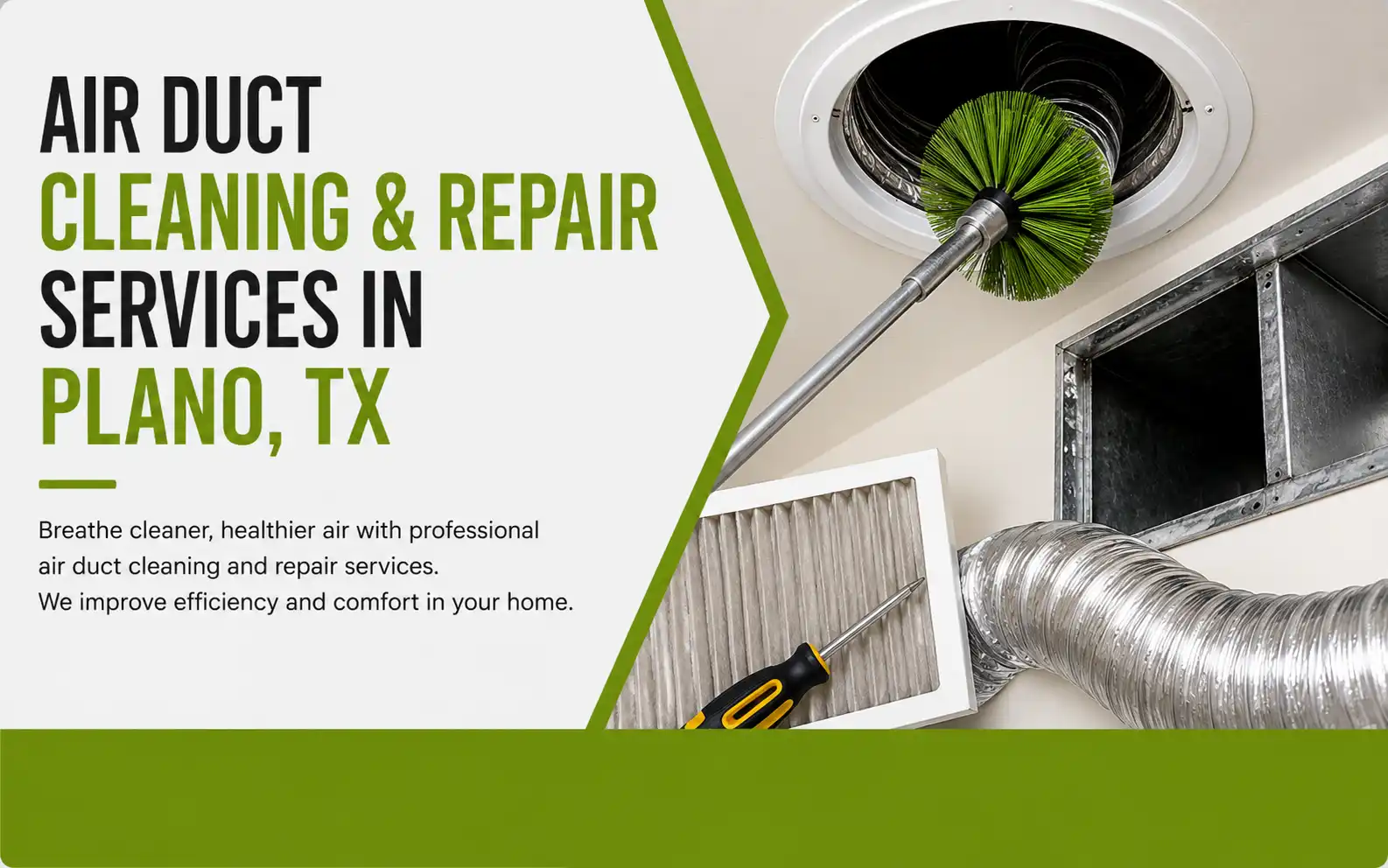
If your duct systems have cracks or gaps, they can pull dust, insulation debris, and attic contaminants into your airflow. This creates a constant cycle of dusty air ducts no matter how often they’re cleaned.
2. Poor Quality Air Filters
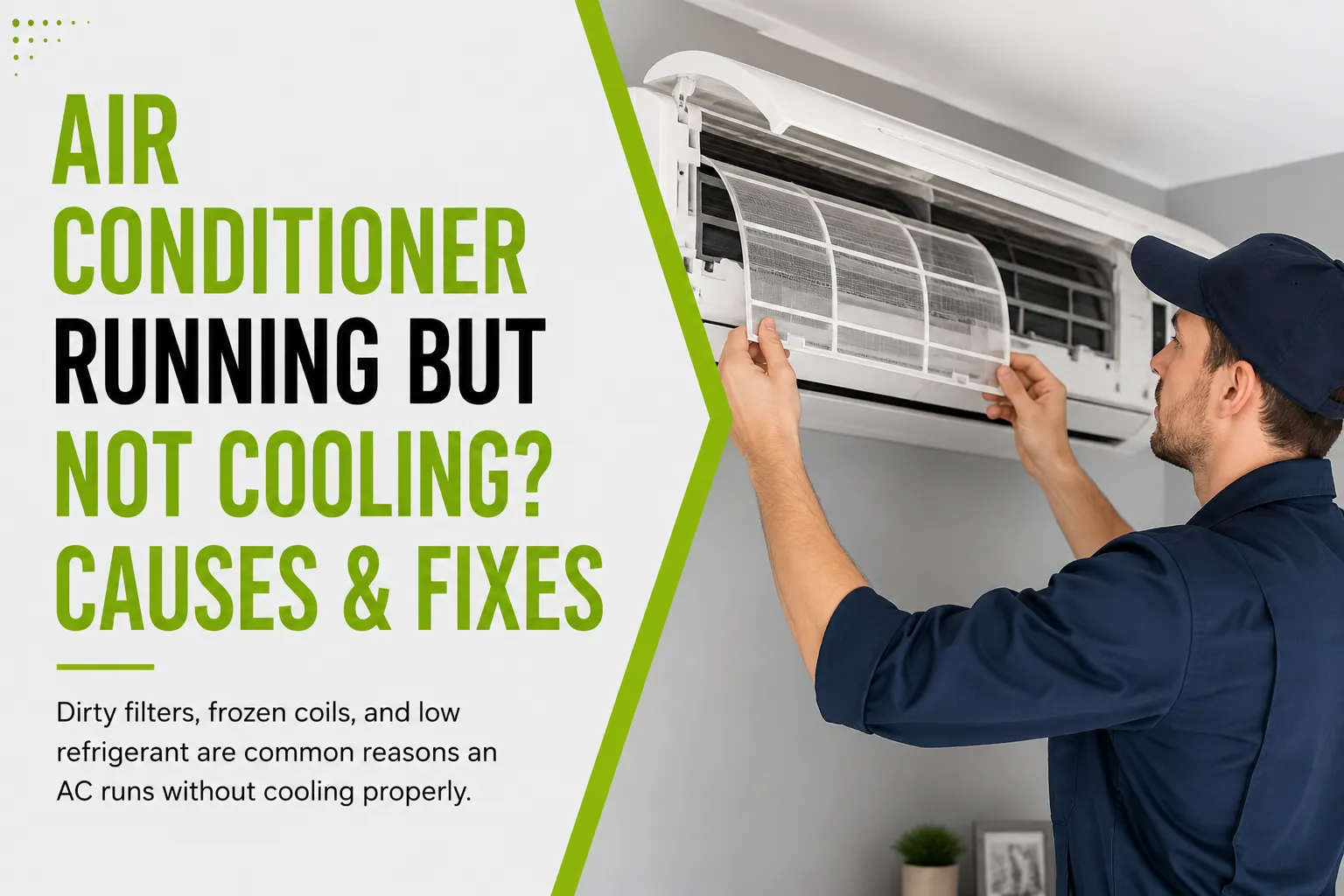
Cheap or clogged air filters allow fine dust particles, pet dander, and dust mites to circulate freely. This is one of the biggest reasons for excessive dust.
3. Dirty HVAC Components
Your air conditioners may still contain buildup on coils and blowers. If internal components are dirty, they keep redistributing dust even after duct cleaning.
4. Open Doors and Windows
Frequent airflow through doors and windows brings in outdoor pollutants, pollen, and debris—especially in dusty regions like Texas.
5. High Indoor Humidity
Moisture encourages dust mites and makes dust stick to surfaces faster, increasing visible buildup.
6. Pet Dander and Fabrics
Pets constantly shed microscopic particles, while carpets and upholstery trap and release dust back into your air.
7. Lack of Fresh Air Circulation
Without proper ventilation, stale dusty air gets trapped indoors, leading to poor indoor air quality.
Learn more about how air systems affect your home in this guide on indoor air.
DIY Methods to Reduce Dust in Your Home
Homeowners often try simple solutions to reduce dust. Some of these methods can help temporarily:
- Use a microfiber cloth to trap dust instead of spreading it
- Replace air filters every 1–3 months
- Vacuum carpets and furniture weekly
- Seal obvious gaps around doors and windows
- Use a basic air purifier for small rooms
These steps can help prevent dust buildup—but they rarely solve the underlying problem.
Why DIY Dust Control Fails in Most Homes
DIY cleaning methods fail because they only treat surface-level symptoms—not the root causes.
Here’s why dust keeps coming back:
- Hidden duct leaks continue pulling contaminants
- Air conditioners remain internally dirty
- Dust particles recirculate through vents
- Standard cleaning tools cannot reach deep inside duct systems
Even thorough DIY efforts can’t access the internal structure of your HVAC system. That’s why professional inspection is critical.
See what professionals actually do in this cleaning process guide.
Are Chemical Dust Sprays Safe?
Many homeowners turn to sprays or chemical cleaners to fight dust accumulation. While they may offer short-term results, they come with risks:
- Release harmful VOCs into your living space
- Reduce indoor air quality
- Trigger allergies and respiratory irritation
- Leave residues that attract more dust over time
According to the EPA indoor air quality guide, indoor pollutants can be significantly higher than outdoor levels due to chemical use.
Research from University of Michigan also highlights how improper cleaning methods worsen airborne contaminants.
The ASHRAE organization recommends mechanical solutions over chemical masking for long-term air quality improvement.
Signs You Need Professional Dust & Air System Service
If you notice these warning signs, it’s time to call experts:
- Dust returns within 1–2 days after cleaning
- Visible buildup around vents
- Musty or stale air smells
- Allergy symptoms indoors
- Uneven airflow in rooms
- Black dust near registers (possible leaky ductwork)
These indicate deeper HVAC issues—not just dirty surfaces.
You may also want to review these dirty ducts signs.
Why Professional Service Makes the Difference
At Air N Fire, we don’t just clean—we diagnose and fix the root cause of excessive dust.
Our services include:
- Advanced duct inspection
- Sealing leaky ductwork
- Deep HVAC cleaning beyond surface ducts
- Airflow balancing and filtration upgrades
- Complete system evaluation
If repairs are needed, our duct repair service eliminates hidden entry points where dust enters your system.
For homeowners dealing with constant dust, this is the only reliable way to prevent dust long term.
FAQs – Why Is My House Dusty?
Why is my house dusty even after cleaning?
Dust often comes from hidden sources like leaky ducts, poor air filters, or dirty HVAC systems. Even if you regularly clean, these issues keep circulating dust particles throughout your home, causing constant buildup.
What causes a dusty house in Texas?
In Texas, outdoor dust, dry weather, and frequent use of air conditioners contribute heavily. Open doors and windows also allow external dust to enter, increasing indoor dust accumulation quickly.
Can air ducts cause excessive dust?
Yes. Dirty or damaged air ducts can spread dust throughout your home. Leaky ductwork can also pull contaminants from attics or crawlspaces, making your indoor air much dustier.
Do air purifiers help reduce dust?
An air purifier can reduce airborne particles in small areas, but it won’t fix system-wide issues like duct leaks or dirty HVAC components. It’s a helpful addition, not a complete solution.
How often should I change air filters?
Air filters should be replaced every 1 to 3 months depending on usage, pets, and dust levels. Dirty filters allow dust particles and allergens to circulate freely in your home.
Why does my house get so dusty so quick in Dallas or Plano?
Homes in Dallas and Plano experience high dust levels due to climate, construction, and HVAC usage. Poor insulation, leaky ducts, and outdoor airflow also contribute to rapid dust buildup.
Can pets increase dust in my home?
Yes. Pet dander is a major contributor to indoor dust. It mixes with other particles and circulates through your air system, increasing overall dust accumulation in your living space.
Conclusion: Fix the Root Cause of Dust — Not Just the Symptoms
If you’re still wondering why does my house get so dusty so quick, the answer isn’t just cleaning—it’s correcting hidden airflow and system issues.
Surface cleaning and DIY fixes can only go so far. To truly improve indoor air quality and eliminate recurring dust, your HVAC system needs professional attention.
Schedule a full inspection with Air N Fire today and take the first step toward a cleaner, healthier home. Call now or book your service online to stop dust at its source.