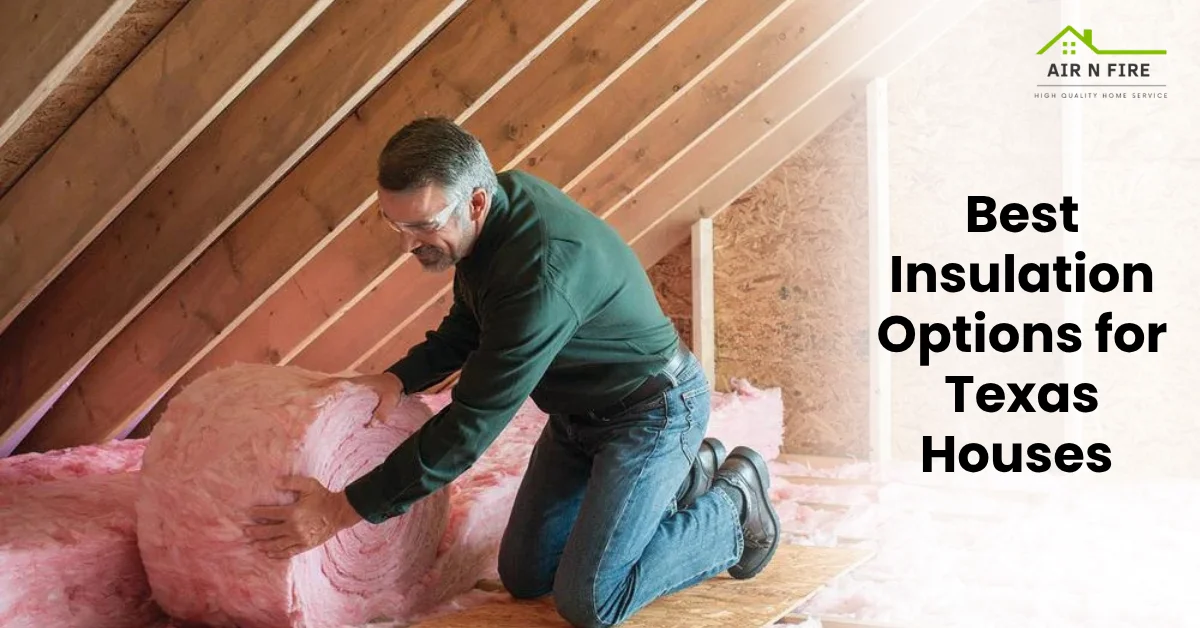

When it comes to building or upgrading a home in Texas, insulation is one of the most overlooked yet most essential components of comfort, efficiency, and savings. The state’s diverse climate ranging from humid Gulf Coast regions to dry, scorching areas in Central and West Texas demands insulation materials that can handle both extreme heat and unpredictable seasonal shifts.
Whether you live in Dallas, Houston, Austin, or San Antonio, proper insulation can mean the difference between paying high utility bills year-round and maintaining a comfortable indoor temperature efficiently. According to the U.S. Department of Energy, poor insulation can account for 25–30% of total energy loss in homes, which directly impacts your cooling and heating costs.
Why Insulation Matters in Texas Homes
Before we dive into specific insulation types, it’s essential to understand why insulation plays such a critical role in Texas homes. The Lone Star State’s climate is unlike any other summers often stretch above 100°F, humidity levels fluctuate dramatically between regions, and winters can bring unexpected cold fronts. These extreme temperature swings create unique challenges for maintaining indoor comfort and controlling energy use.
In such conditions, insulation does more than just trap cool or warm air it acts as a thermal barrier that stabilizes your home’s environment, reduces HVAC strain, and prevents unnecessary energy waste. A well-insulated home can significantly cut energy bills, improve air quality, and enhance long-term property value.
According to Energy Star, homeowners in Texas who upgrade or properly maintain their insulation can save between 15–25% annually on heating and cooling costs. That’s not only a financial advantage but also an important contribution to lowering your household’s overall energy footprint.
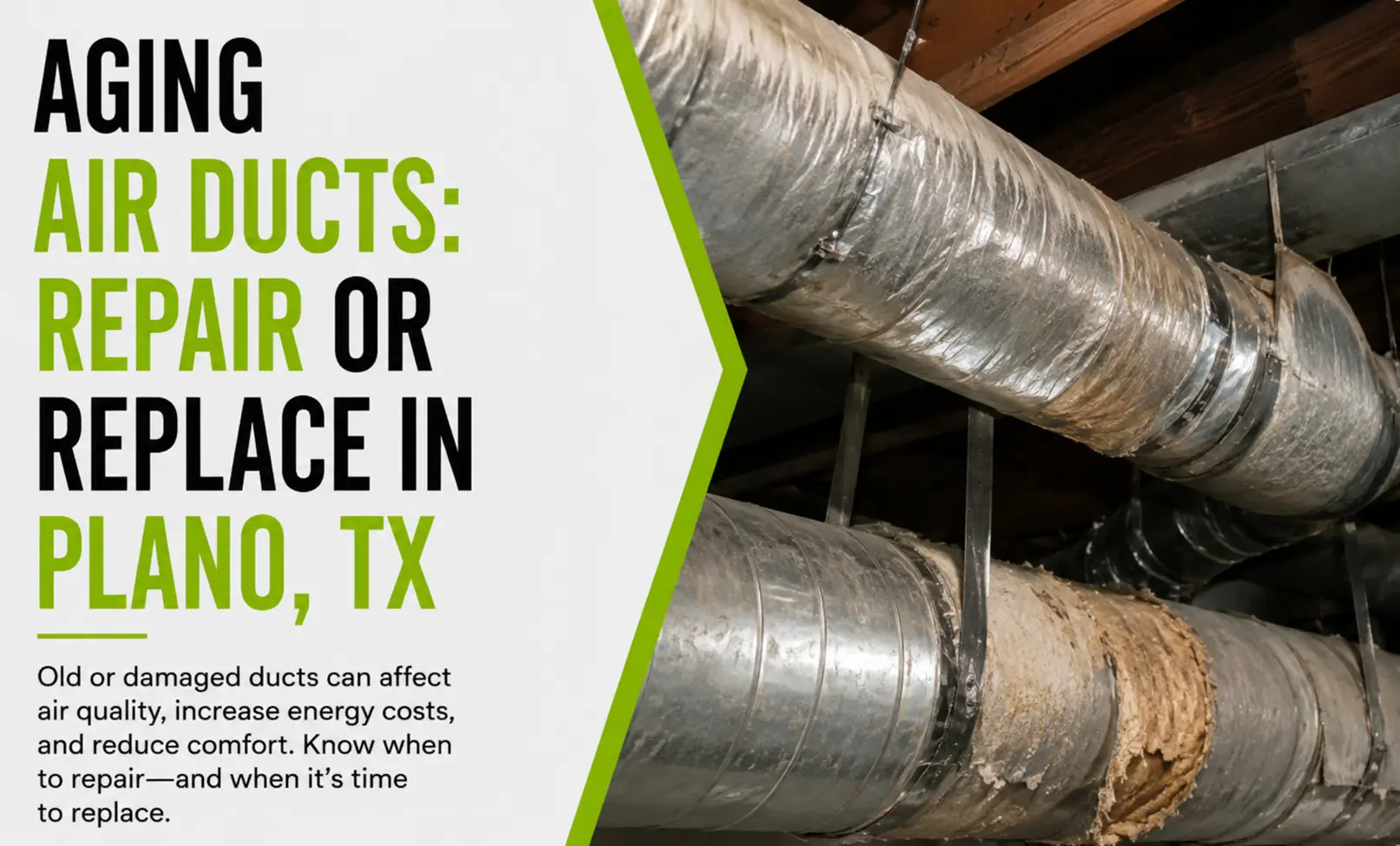
To understand how insulation efficiency connects with indoor air performance, you can also explore how Weather Impacts Your HVAC System and Air Ducts in Texas homes.
Key Benefits of Proper Insulation:
- Thermal Regulation – Maintains consistent indoor temperatures despite external weather changes.
- Energy Efficiency – Reduces HVAC runtime and overall electricity use.
- Moisture Control – Minimizes condensation, mold, and humidity problems.
- Environmental Sustainability – Decreases energy consumption and carbon emissions.
Types of Home Insulation Used in Texas
Before choosing the right insulation for your Texas home, it’s important to understand the different types of insulation materials available and how each performs in the state’s varied climate. Texas spans multiple climate zones from the humid Gulf Coast to the dry plains of West Texas meaning the ideal insulation in one region may not be as effective in another.
Each insulation type offers unique benefits in terms of R-value (thermal resistance), moisture control, air sealing capability, and installation cost. While some materials, like spray foam, deliver superior energy efficiency, others such as fiberglass or blown-in cellulose remain popular for their affordability and ease of installation.
According to the North American Insulation Manufacturers Association (NAIMA), the right combination of insulation and air sealing can reduce total heating and cooling costs by up to 20% a major consideration for Texas homeowners battling long, hot summers.
If you’re improving insulation for better airflow and system health, maintaining clean air ducts is equally vital. Check out Air Duct Cleaning in Plano TX and Air Duct Cleaning Services in Frisco TX to ensure your entire HVAC system runs efficiently.
Spray Foam Insulation
Before exploring the technical advantages of spray foam, it’s important to understand why it has become one of the most recommended insulation materials for Texas homes. In regions with long, hot summers and high humidity levels, traditional insulation materials often struggle to maintain thermal resistance over time. Spray foam, however, stands out for its superior air-sealing properties and high R-value per inch, making it exceptionally effective against both heat infiltration and energy loss.
To further enhance indoor air performance and prevent contaminants from circulating, routine duct maintenance is key. Read Homeowners Should Know About HVAC Air Duct Hygiene for additional insights.
Fiberglass Insulation
Before delving into how fiberglass insulation works, it’s worth noting why it continues to be one of the most widely used materials in Texas homes. For decades, fiberglass has remained a trusted, budget-friendly solution for homeowners looking to balance energy efficiency with affordability.
In Texas, where both residential retrofits and new constructions are on the rise, fiberglass insulation offers a practical way to improve indoor comfort without the high upfront cost associated with spray foam. It’s made from ultra-fine glass fibers that trap air pockets, slowing the transfer of heat a key factor in maintaining consistent temperatures during Texas’s long, hot summers.
Blown-In Cellulose Insulation
Before we explore its features in detail, it’s important to understand what makes blown-in cellulose a preferred choice for older Texas homes and eco-conscious homeowners. Unlike batts or panels, cellulose insulation is applied using a specialized machine that blows small paper fibers into wall cavities, attics, and tight spaces forming a dense, seamless layer that minimizes air leakage.
Made from 85% recycled paper, it’s an environmentally friendly alternative that provides excellent thermal and acoustic insulation. This makes it particularly useful for homes in urban or suburban Texas neighborhoods, where both temperature control and noise reduction are priorities.
If you’re addressing attic insulation or suspect airflow issues, you may also want to review Mold in Air Ducts: Facts, Signs, and Prevention to prevent insulation-related moisture problems.
Radiant Barrier Insulation
Before diving into the technical aspects, it helps to understand why radiant barriers are uniquely suited for the Texas climate. Unlike traditional insulation that resists heat flow, radiant barriers work by reflecting radiant energy a property that becomes vital in hot, sun-exposed regions like Dallas, Houston, and Austin.
Most Texas homes experience significant heat gain through their roofs, especially during late afternoon hours when the sun is most intense. Radiant barrier insulation combats this by reflecting 95–97% of radiant heat, reducing attic temperatures by as much as 20–30°F, and easing the load on cooling systems.
Foam Board & Rigid Panel Insulation
Before examining the different types of foam boards, it’s helpful to understand where and why they’re used in Texas homes. Foam board, also known as rigid panel insulation, is prized for its structural strength, moisture resistance, and versatility.
Comparing Insulation Types for Texas Homes
Before diving into the direct comparison, it’s important to understand why evaluating insulation types side-by-side is essential for Texas homeowners. Each insulation material performs differently depending on factors like climate zone, home design, attic ventilation, and installation method.
How to Choose the Right Insulation for Your Texas Home
Before we explore the step-by-step process of choosing the right insulation, it’s essential to understand that insulation isn’t a one-size-fits-all decision especially in a geographically diverse state like Texas.
Professional Insulation Installation in Texas
Before discussing the specifics of professional insulation services, it’s vital to understand why expert installation makes such a significant difference in insulation performance.
Maintenance and Longevity of Insulation
Before we get into how to maintain insulation, it’s important to recognize that even the highest-quality materials degrade over time due to environmental exposure, moisture intrusion, and physical wear.
Common Insulation Mistakes to Avoid
Before looking at specific mistakes, it’s crucial to understand why insulation errors are more common than most homeowners realize and how costly they can become over time.
Conclusion
Insulation isn’t just an upgrade, it’s one of the smartest investments a Texas homeowner can make for long-term comfort and energy efficiency. The right insulation can transform how your home performs year-round, reducing HVAC strain during scorching summers and keeping interiors warm during cooler months.
Air n Fire is committed to helping Texas homeowners build smarter, more efficient living spaces. From expert guidance to professional-grade insulation services, our goal is to deliver lasting value and measurable energy savings for every customer.
Take the next step toward a more energy-efficient home: reach out to Air n Fire today and schedule your insulation assessment with our experienced team.
FAQs About Home Insulation in Texas
1. What is the best insulation for Texas heat?
Spray foam and radiant barrier insulation are best for Texas’s extreme heat. Spray foam seals air leaks while radiant barriers reflect sunlight, keeping homes cooler in summer.
2. How much does insulation cost in Texas?
It typically costs $0.40–$3.50 per sq. ft., depending on material and home size. Spray foam is the most expensive but offers the highest efficiency.
3. Is spray foam worth it in Texas?
Yes. It can reduce cooling energy use by up to 40%, making it one of the most cost-effective long-term investments.
4. What R-value should I use in Texas homes?
Aim for R-30–R-60 in attics and R-13–R-19 for walls, based on your local climate zone.
5. Can I install new insulation over old insulation?
Yes, if the old insulation is dry and free of mold or pests. Professionals can test compatibility before installation.
6. How long does insulation last in Texas?
Most materials last 20–30 years, but moisture or pests can shorten lifespan.
7. Does insulation help during Texas winters?
Absolutely. Quality insulation prevents heat loss and maintains consistent warmth during cooler months.