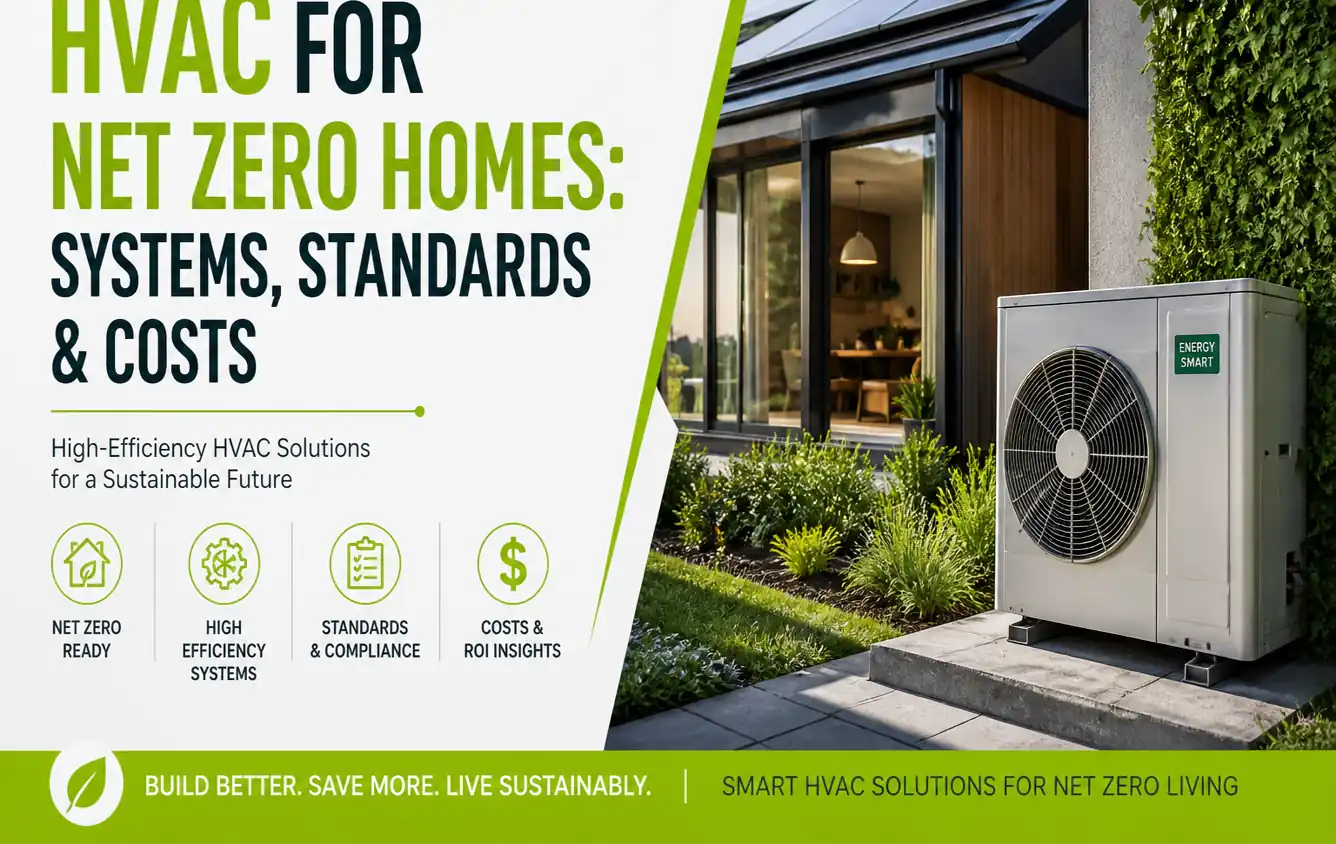

Building or upgrading to a net zero home hvac system requirements standard is no longer just a trend. It is becoming the benchmark for modern energy efficiency and long-term cost savings. Homeowners aiming for net zero energy performance must rethink their entire hvac system, from heating and cooling to air conditioning and water heating. Many try to handle upgrades themselves, but gaps in design often lead to poor energy performance. That is why understanding professional standards matters. If you are considering DIY approaches, review this duct cleaning guide before making costly mistakes.
In this guide, you will learn how net zero hvac systems work, what components are required, how much they cost, and when professional installation becomes essential for achieving true high performance results.
Why Net Zero HVAC Requirements Matter for Modern Homes
A net zero home produces as much energy as it consumes annually. This is only possible when the hvac system is optimized to drastically reduce energy usage while maintaining indoor comfort. Poorly designed systems increase energy costs and undermine renewable energy investments like solar panels.
Modern zero net energy homes rely on tightly sealed envelopes, foam insulation, and advanced heating and cooling systems. Without proper HVAC integration, even the best insulation cannot control carbon emissions. According to U.S. Department of Energy, HVAC accounts for nearly half of residential energy use, making it the most critical system in achieving net zero energy.
Core HVAC System Requirements for Net Zero Homes
To meet net zero home hvac system requirements, your system must be designed for both efficiency and sustainability. This includes selecting equipment that minimizes carbon footprint while maximizing output. Standard HVAC setups simply do not meet the performance needed for energy ready homes.
In regions like Texas, including net zero home hvac system requirements texas, climate-specific considerations such as extreme heat and humidity require advanced air conditioning and moisture control strategies. A poorly sized system can lead to inefficiency, discomfort, and higher energy costs.
- Heat pumps for efficient heating and cooling
- Ductless mini split systems for zoned comfort
- Advanced ventilation for indoor air quality
- Smart thermostats for optimized control
- High-efficiency water heating systems
Best Net Zero HVAC Systems for High Performance Homes
The most effective net zero hvac systems combine multiple technologies to achieve optimal energy efficiency. Each system component plays a role in lowering consumption and supporting renewable energy integration.
For homeowners in net zero home hvac system requirements dallas or nearby areas, choosing the right combination of systems is essential due to fluctuating temperatures and humidity levels. Poor system selection leads to uneven cooling, excess humidity, and higher maintenance costs.
- Geothermal systems for ultra-efficient temperature control
- Air-source heat pumps for year-round use
- Ductless mini split systems for zoned spaces
- Energy recovery ventilators for fresh air circulation
| System Type | Efficiency Level | Best Use Case | Estimated Cost |
| Heat Pumps | High | All climates | $5,000 – $12,000 |
| Geothermal Systems | Very High | Long-term savings | $15,000 – $30,000 |
| Ductless Mini Split | High | Zoned spaces | $3,000 – $10,000 |
Fast Solutions to Improve Existing HVAC Efficiency
If a full system upgrade is not immediately possible, there are fast improvements that can move your home closer to net zero energy. These upgrades enhance energy performance without requiring complete replacement.
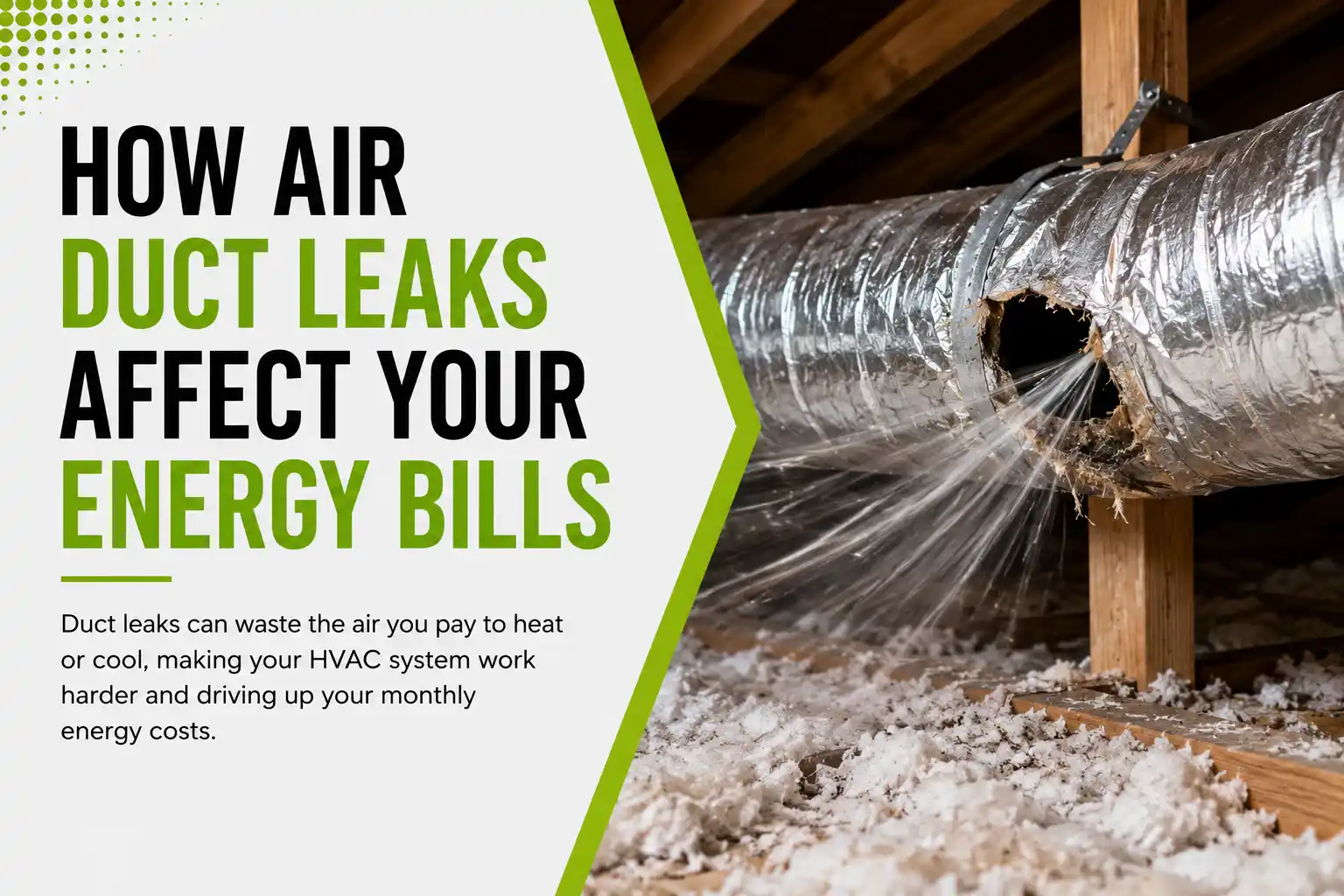
Simple fixes like sealing ducts, upgrading filters, and improving insulation can significantly reduce energy waste. Many homeowners overlook airflow issues, yet they directly impact heating and cooling performance and indoor comfort.
- Seal and insulate ductwork
- Upgrade to smart thermostats
- Improve foam insulation
- Balance airflow across rooms
Long-Term HVAC Solutions for Net Zero Homes
Achieving true net zero heating & air conditioning requires long-term system planning. This includes integrating HVAC with solar panels, advanced insulation, and efficient building design.
For homeowners in net zero home hvac system requirements plano and surrounding areas, investing in whole-home upgrades ensures consistent indoor comfort and lower carbon emissions. According to Lawrence Berkeley National Laboratory, integrated design improves overall energy efficiency by up to 40 percent.
DIY vs Professional Net Zero HVAC Installation
Many homeowners attempt DIY upgrades to save money, but net zero hvac systems require precise calculations and professional design. Incorrect sizing or installation reduces energy efficiency and increases long-term costs.
Professional technicians understand load calculations, airflow balancing, and system integration. DIY attempts often miss these details, leading to poor energy performance and higher maintenance expenses. Discussions on Reddit and Quora frequently highlight failed DIY HVAC projects due to improper planning.
Signs You Need Professional HVAC Help
Not every home can transition to net zero homes without expert support. Certain warning signs indicate your current system is not meeting energy ready homes standards.
Ignoring these signs leads to increased energy costs and reduced system lifespan. Early intervention helps maintain high performance and avoids costly replacements.
- Uneven heating or cooling
- High utility bills
- Poor indoor air quality
- Frequent system breakdowns
- Excess humidity or dryness
Why Homeowners Trust Professional HVAC Experts
Choosing experienced professionals ensures your system meets net zero home hvac system requirements fortworth and other regional standards. Proper installation improves reliability, efficiency, and long-term savings.
Air n Fires provides specialized services designed to improve energy efficiency, optimize airflow, and enhance indoor comfort. Their expertise in ductwork, ventilation, and system design supports homeowners transitioning to net zero energy living.
FAQs About Net Zero HVAC Systems
What are the main requirements for net zero homes?
Net zero homes require highly efficient HVAC systems, proper insulation, airtight construction, and integration with renewable energy sources. These elements work together to balance total energy use and production throughout the year.
How do net zero hvac systems reduce energy costs?
Net zero hvac systems use advanced technologies like heat pumps and smart controls to minimize energy consumption. By improving energy efficiency, they significantly lower monthly utility bills over time.
Are net zero heating & air conditioning systems expensive?
Initial costs for net zero heating & air conditioning systems are higher than traditional setups. However, long-term savings, tax credits, and reduced energy costs make them a cost-effective investment.
What systems work best in Texas climates?
For net zero home hvac system requirements texas, air-source heat pumps and ductless mini split systems perform well due to their ability to handle high temperatures and humidity efficiently.
Do I need professional installation for net zero hvac?
Yes, professional installation ensures proper system sizing, airflow balancing, and integration. DIY setups often fail to achieve required energy performance standards and can increase long-term costs.
Take the Next Step Toward Net Zero Living
Upgrading your HVAC system is the most important step toward achieving a net zero home hvac system requirements standard. Whether you need system optimization or a complete upgrade, expert guidance ensures long-term performance and savings.
If you are ready to improve your home’s energy efficiency and comfort, explore professional solutions and schedule an inspection through Air n Fires. A properly designed system can transform your home into a true zero net energy home.