
Haven’t used your fireplace in months or for years? Thinking no fire means your chimney is all round ready to use? Stop there. You are making mistake assuming as such. An unused chimney has debris inside it. There may be bird’s nest in it. Moisture may have creeped in over time. Creosote, the tar-like substance from past burns might still be there getting more flammable. And when you finally light a fire without checking? You might get into a chimney fire.
The 12-Month Rule
Even Unused Chimneys Need Annual Inspections
The National Fire Protection Association advises to inspect every chimney system once a year and it does not matter you have used it or not. Why?
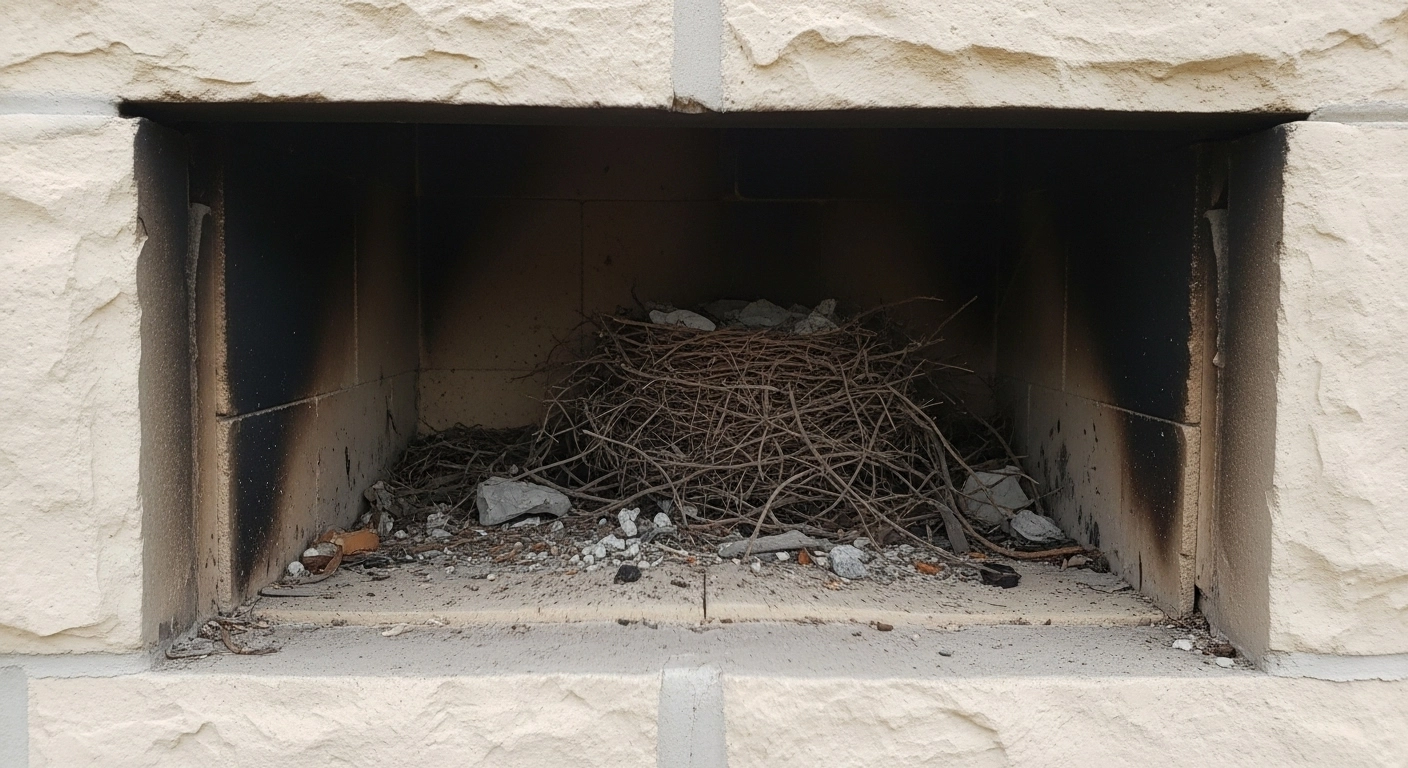
- Animals build nests in spring: Squirrels, birds, raccoons. They block your flue. You light a fire, smoke backs up, carbon monoxide fills your house.
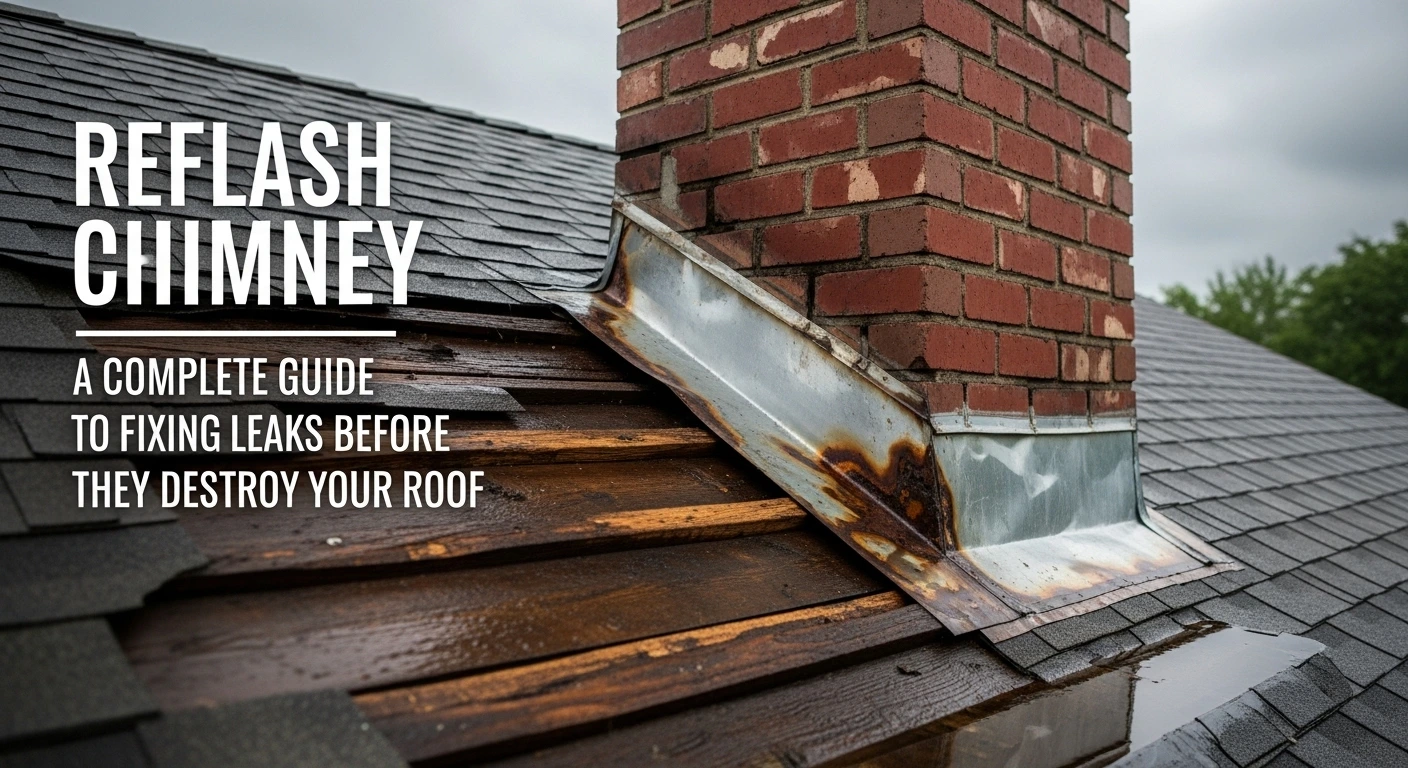
- Water damage escalate: Rain gets in through damaged crowns or caps. Cold season can crack masonry. A $200 repair suddenly increases to $4,000.
- Old creosote doesn’t disappear: That shiny black buildup from last year? It is still highly flammable. Still coating your chimney walls.
You can get a certified chimney sweep to detect these problems early.
How to Know If the Chimney Needs Cleaning?
These five signs signal, you need an immediate inspection before using your dormant chimney again:
1. Black Streaks on the Firebox Walls
This is creosote. Can be of stage 2 or 3. It looks like thick tar. Smells like burnt barbecue.
This ignites at 451°F. Your wood stove can hit 600°F easily.
2. Damper Won’t Move Smoothly
Rust, debris, and animal nesting jam the mechanism.
You force it open, something falls into your fireplace. Probably not good.
3. Strong Odors in Summer
Unused chimneys smell when humidity increases. This is creosote, soot, and animal waste mixing.
If neighbors smell it too, neither they nor you would feel good.
4. Visible Debris in the Firebox
Leaves, twigs, chunks of mortar, and droppings. Your chimney crown fails or your cap falls off.
5. You Can’t Remember Your Last Inspection
If you are not sure when was the last time you got the inspection, it is the must time to do so.
Dirty Chimney vs Clean: What You’re Actually Looking At
Run your hand inside the flue opening. If a thick black residue appears, this is Stage 2 creosote. Looks like burnt cornflakes stuck to metal.
Clean chimney: It has light ash dust, smooth walls, clear flue opening
Dirty chimney: Has sticky black coating, rough texture, restricted airflow
A Level 2 inspection (what you get during home sales) uses a camera. This inspection tells exactly what blocks your chimney system. Nests, creosote, cracks, missing mortar, any of these are detected easily.
Can You Clean Your Chimney Yourself?
YouTube makes it look simple. Buy a brush kit. Climb the roof. Scrub down.
Here’s what they don’t show:
- You need the right brush diameter: Too small misses buildup. Too big damages clay liners.
- You can’t inspect what you can’t see: Cracks in the flue. Hidden creosote in smoke chambers. Or structural damage.
- Creosote removal requires heat: Stage 3 creosote (the glazed kind) doesn’t brush off. Professional chimney services use rotary tools and chemical treatments.
A DIY cleaning costs $150 in tools plus your Saturday.
Professional chimney sweeping can cost around $150–$300 and includes inspection which sounds more feasible choice.
You save nothing. You risk missing fire hazards.
When to Call a Certified Chimney Sweep?
You should call for a certified chimney sweep in following cases:
Wood burning fireplace or wood stove:
- Annual inspection minimum
- Cleaning after every 60–80 fires
- More often if you burn softwoods (pine, fir) that create more creosote
Gas fireplace:
- Annual inspection
- Cleaning every 1–2 years (yes, even gas creates deposits)
Not used at all:
- Annual inspection still required
- Cleaning when inspection finds buildup or blockages
Evident enough that you need a professional sweep even if you have not used your chimney for a long time.
What A Professional Chimney Inspection and Cleaning Includes?
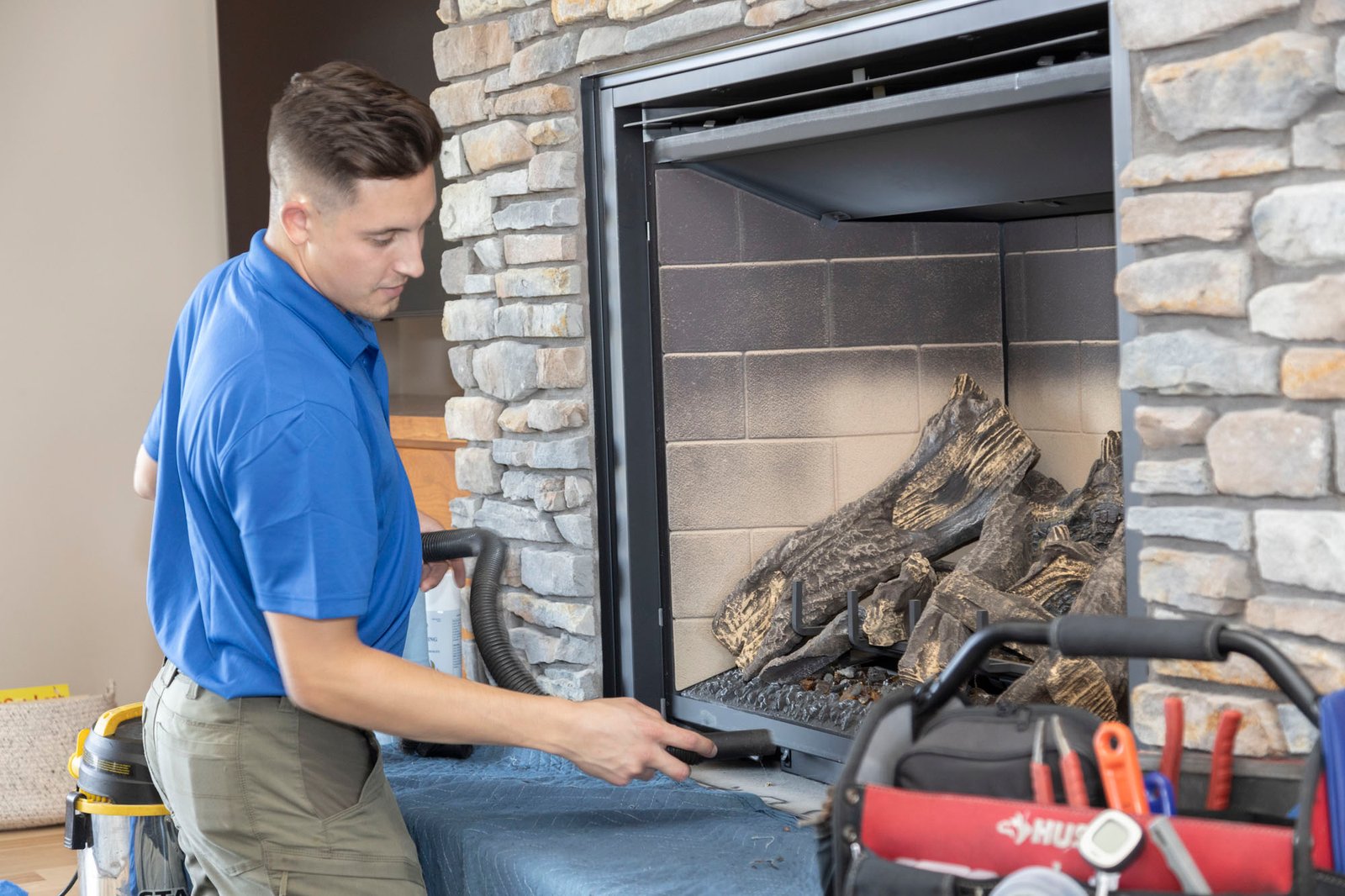
A chimney sweep brushes the flue as well as check:
They check:
- Chimney crown and cap integrity
- Flashing around the roofline
- Interior flue liner for cracks
- Damper operation
- Smoke chamber for hidden creosote
- Signs of water intrusion
- Carbon monoxide risk factors
They document:
- Pictures of problematic areas
- Recommended repairs with priority levels
- Written report for insurance or home sale records
This is why the cost may get around $200–$300. But the expert hands make it all worthy to go for.
The Stakes: What an Ignored Chimney Actually Costs
Chimney fires burn at 2,000°F. They sound like freight trains. They crack flue liners, spread to attic framing, and often stay undetected until the damage is catastrophic.
Yes, insurance is paid but the stakes are deductibles, lose belongings, and temporary housing. And of course you won’t want any of these.
The average chimney fire causes $125,000 in damage.
Annual inspecting and cleaning costs $200.
Your Action Plan: What to Do Right Now
Depends on the usage condition of the chimney.
If you haven’t used your chimney in over a year:
- Schedule a Level 1 inspection with a CSIA-certified sweep
- Ask specifically about creosote levels and animal intrusions
- Get written documentation of findings
- Address any “urgent” repairs immediately
If you plan to use it this season:
- Inspection before your first fire
- Install a chimney cap if you don’t have one
- Keep records. Next year’s sweep will need to know the burn frequency
If you are buying or selling a home:
- Needs a Level 2 inspection in the purchase agreement
- Review the report before closing
- Budget for recommended repairs
One inspection a year stops small problems from becoming structure fires.
Book it now. The certified sweep who finds a bird’s nest in May saves you from a smoke-filled living room in December.
FAQs
How often should you get your fireplace cleaned if you never use it?
You still need the inspection annually. Clean when the inspection finds blockages, moisture damage, or creosote from previous use.
What happens if you don’t clean your chimney?
Creosote can ignite. Animals can nest and block airflow. Carbon monoxide backs into your home. Water damage destroys masonry. This is only preventable with annual checks.
How much creosote buildup is dangerous?
Any coating thicker than 1/8 inch needs removal. Stage 3 (shiny, hardened glaze) is an immediate fire risk.
Can I use duct tape to fix a cracked chimney cap temporarily?
No. Temperature swings and weather destroy tape in days. A damaged cap lets water and animals in. Replace it.
How do I find a qualified chimney sweep?
Look for CSIA (Chimney Safety Institute of America) certification. Check reviews. Ask for written inspection reports and documentation.