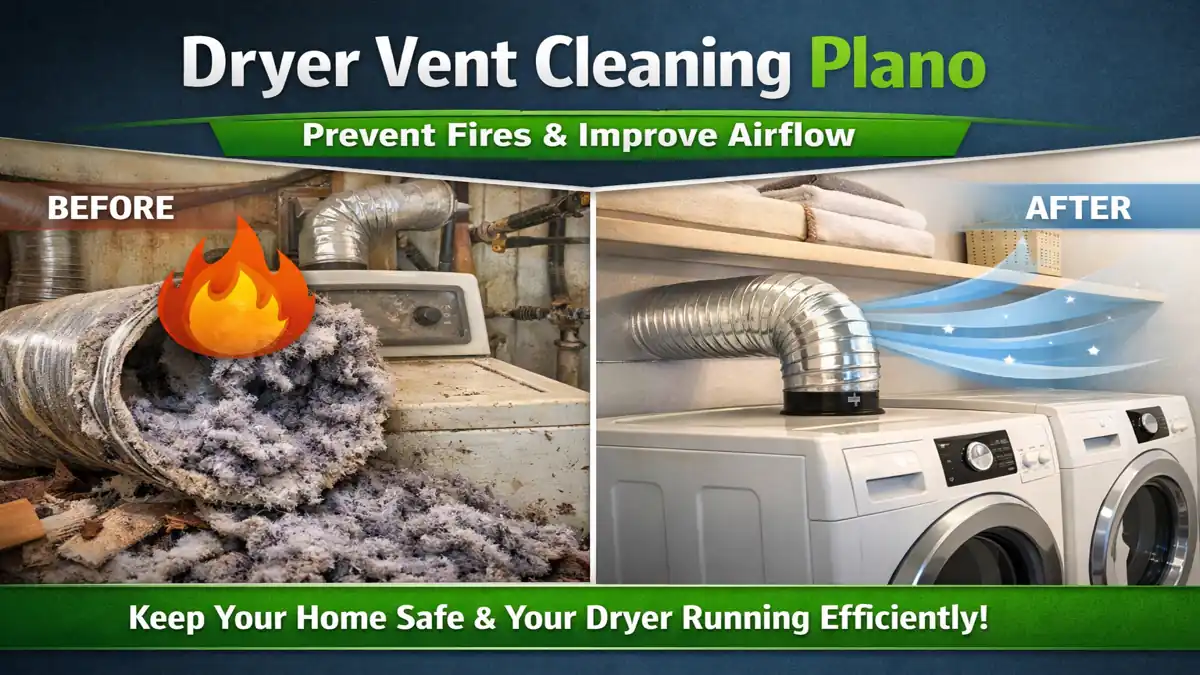

So, you’re probably wondering about your dryer vent. Is it just a simple tube, or is there more to it? Turns out, there’s a big difference between just cleaning out the lint trap and getting the whole system checked. We often think of dryer vent cleaning and dryer vent repair as the same thing, but they actually tackle different problems. Let’s break down what’s what, especially when it comes to keeping things safe and efficient in your home. We’ll cover why regular attention is so important, and when it’s time to call in the pros for more than just a quick sweep.
Key Takeaways
- Dryer vent cleaning removes lint and debris from the entire vent system, from the dryer to the outside. This improves airflow, reduces fire risk, and makes your dryer work better.
- Dryer vent repair fixes physical issues like damaged ducts, loose connections, or crushed pipes. This ensures the vent system is structurally sound and safe.
- Regular dryer maintenance, like cleaning the lint trap, is good but doesn’t reach the deeper lint buildup inside the vent pipe where most problems start.
- Signs your dryer vent needs professional attention include clothes taking longer to dry, strange smells, or visible damage to the vent system. Plano Dryer Vent Cleaning services can address these issues.
- While DIY fixes might seem appealing, professional services use specialized tools and knowledge to ensure repairs are code-compliant and effective, preventing future problems and fire hazards.
Understanding Dryer Vent Cleaning Services
When your dryer seems to be taking forever to dry clothes, or if it’s getting unusually hot to the touch, it’s often a sign that the vent system needs some attention. Dryer vent cleaning is a specialized service designed to tackle the buildup of lint and debris that accumulates deep within your dryer’s exhaust system. This isn’t just about tidying up; it’s about safety and efficiency.
What Happens During A Dryer Vent Cleaning Service
A professional cleaning goes beyond just emptying the lint trap. Technicians use specialized tools, like powerful vacuums and long, flexible brushes, to reach into the entire length of the vent pipe. They’ll disconnect the dryer from the wall to access the vent thoroughly. The process typically involves:
- Initial Inspection: Checking the vent’s length, bends, and overall condition for any obvious issues like kinks or damage.
- Duct Cleaning: Using rotary brushes and high-powered vacuums to dislodge and remove packed lint, dust, and other obstructions from the ductwork.
- Exterior Vent Check: Cleaning out the vent hood on the outside of your house, ensuring it opens and closes properly and isn’t blocked by debris or nests.
- Final Test: Often, they’ll run the dryer briefly to confirm good airflow.
The primary goal is to restore optimal airflow and remove flammable lint buildup.
How Deep Does Professional Cleaning Go
Professional cleaning aims to clear the entire vent line, from the back of your dryer all the way to the exterior termination point. This includes:
- Behind the Dryer: Removing lint that collects where the vent hose connects.
- Elbows and Bends: These are common spots where lint can snag and accumulate.
- Long Runs: For dryers located far from an exterior wall, the full length of the ducting is addressed.
- Wall Cavities: If the vent runs through walls, the accessible parts within those spaces are cleaned.
This deep cleaning is what differentiates professional service from simple homeowner maintenance, which usually only covers the lint trap and the immediate area around the dryer.
Identifying Vent Problems During Cleaning
While cleaning, technicians are also trained to spot potential problems with your dryer vent system. They’re not just removing lint; they’re performing a mini-inspection. You might find out about:
- Damaged or Cracked Ducts: These can leak air and pose a fire risk.
- Loose Connections: Where sections of the vent pipe join, leaks can occur.
- Improper Installation: Vents that are too long, have too many sharp bends, or are not properly secured.
- Pest Infestations: Nests or evidence of animals can sometimes be found in exterior vents.
Identifying these issues during a cleaning can save you from bigger problems down the road, like appliance damage or even a house fire. It’s a good idea to have your vents checked periodically, especially if you’re noticing longer drying times. For more information on maintaining your home, you might find resources at Biola University helpful.
Dryer Vent Repair vs. Cleaning: Addressing Different Issues
It’s common for people to talk about dryer vent cleaning and repair as if they’re the same thing, but they actually solve very different problems. Knowing when you need cleaning versus repair can save money—and even prevent a disaster at home.
What Causes Dryer Vent Damage Requiring Repair
Dryer vent damage isn’t always obvious at first. Here are some of the more frequent causes:
- Physical impact during appliance moves (like when you slide your dryer back into place and squish the hose).
- Animals (birds and rodents can break into vents, leaving nests or little chew marks everywhere).
- DIY installation mistakes (using non-standard materials, long unsupported runs, or sharp bends).
- Heavy lint buildup actually puts pressure on joints, causing them to separate.
- The vent material itself just ages, gets brittle, and cracks.
If you ignore these problems, your vent system won’t work as intended—air and lint might escape into your house, and worst case, you’re at risk for a fire.
The longer you wait to fix visible vent damage or avoid strange smells from the laundry area, the bigger the risk to your home and safety.
Structural Issues Addressed by Dryer Vent Repair
Dryer vent repair is all about fixing the skeleton of the venting system—anything that cleaning just won’t solve. Common structural fixes include:
- Replacing crushed or cracked sections of vent pipe.
- Securing or resealing vent joints that have come apart.
- Removing and rerouting oddly installed or code-violating vent runs.
- Swapping out flexible plastic hoses (which aren’t safe) for code-approved metal ducts.
- Adding animal-proof covers at the vent exit.
Here’s a quick comparison table so you can see the difference:
| Dryer Vent Cleaning | Dryer Vent Repair | |
|---|---|---|
| Focus | Removes lint & blockages | Fixes vent structure, damage, reroutes |
| Tools | Rotary brushes, vacuums | Screwdrivers, ducting, sealants |
| Safety | Reduces fire risk from lint | Prevents exhaust leakage and code violations |
| When Needed | Routine (1-2x/year) | When damage or performance issues appear |
When To Schedule Professional Dryer Ventilation Repair
How do you know when it’s time for repair vs. simple cleaning? Schedule professional repair if:
- You see visible damage to the vent system (crushed, disconnected, or cracked pipes).
- There’s a strong burning smell or the vent pipe feels hot to the touch after use.
- Your dryer just isn’t working right, even after cleaning—you’ve done your part, but laundry still takes forever or the machine shuts off mid-cycle.
- Strange noises or rattling come from inside the vent area.
- You’re moving in, doing renovations, or just want peace of mind about older installations.
For more details on how maintenance and repair work together, see this rundown on the difference between basic care and professional plano dryer vent cleaning.
Choosing between repair and cleaning doesn’t have to be a guessing game. Repair deals with broken, leaking, or unsafe parts; cleaning takes care of clogging and airflow—sometimes, you need both at once!
The Critical Role Of Dryer Vent Cleaning In Plano
Keeping your dryer vent clean is more than just a chore; it’s a really important part of home maintenance, especially here in Plano. When that vent gets clogged up with lint and other stuff, it doesn’t just make your dryer work harder, it can actually become a safety hazard. Think about it: all that hot air needs a clear path to escape. When it can’t, things get hotter than they should, and that’s where the danger really starts.
Reducing Fire Risk With Regular Cleaning
This is probably the biggest reason to get your dryer vent cleaned. Lint is super flammable, and when it builds up inside the vent, it’s like a ticking time bomb. The Consumer Product Safety Commission has reported that thousands of fires start in clothes dryers every year, and a lot of that comes down to clogged vents. Getting a professional cleaning service to clear out that lint buildup significantly lowers your risk of a dryer fire. It’s a simple step that can make a huge difference in keeping your home and family safe. It’s not just about preventing a small fire; it’s about avoiding a major disaster.
Improving Dryer Efficiency And Performance
When your dryer vent is clear, your dryer can do its job much better. You know how sometimes you have to run the dryer for a second or even third cycle to get clothes fully dry? That’s usually a sign of a blocked vent. All that extra running means your dryer is using more electricity (or gas) than it needs to. A clean vent allows for proper airflow, so your clothes dry faster and more completely. This not only saves you time but also cuts down on your energy bills. It’s a win-win, really. You get your laundry done quicker and save some money in the process.
Preventing Appliance Damage And Wear
Running a dryer with a blocked vent puts a lot of strain on the appliance itself. The motor has to work harder, and the heating element can overheat. Over time, this extra stress can lead to premature wear and tear, potentially causing your dryer to break down sooner than it should. Regular cleaning helps your dryer run smoothly, extending its lifespan and saving you from costly repairs or the need to buy a new machine. It’s a bit like taking your car in for regular oil changes; it keeps everything running well for longer. If you’re looking for dryer vent cleaning services in Plano, TX, there are professionals who can help with this.
A clogged dryer vent doesn’t just mean longer drying times; it’s a serious fire risk and can shorten the life of your appliance. Regular professional cleaning addresses these issues directly, saving you money and keeping your home safer.
Distinguishing Between Dryer Vent Cleaning And Air Duct Cleaning
So, you’ve probably heard about getting your dryer vent cleaned and maybe your air ducts cleaned too. They sound similar, right? Both involve vents and cleaning, but they’re actually quite different jobs, tackling separate systems in your home. It’s like comparing cleaning out your car’s exhaust pipe to cleaning the entire ventilation system of your house – both are important, but for very different reasons.
Understanding The Different Systems
Your home has a few key ventilation systems working behind the scenes. The most obvious one is your HVAC system, which circulates heated or cooled air throughout your house via a network of ducts. Then there’s the laundry dryer vent, a much simpler, self-contained system designed specifically to expel hot, moist air and lint from your clothes dryer to the outside. Think of the HVAC system as the lungs of your house, while the dryer vent is more like a dedicated exhaust pipe for one specific appliance. Getting both cleaned is important for different reasons, but they aren’t interchangeable services.
Structure and Setup Differences
The structure of these systems is a big clue to their differences. Dryer vents are typically a single, flexible or rigid tube running from the back of your dryer to an exterior wall or roof cap. They’re relatively straightforward. Air ducts, on the other hand, are a complex maze of metal or flexible channels that snake through your walls, ceilings, and floors, connecting to your furnace or air conditioner. This complexity means air duct cleaning requires specialized equipment to reach all those nooks and crannies, whereas dryer vent cleaning is more focused on clearing out lint buildup in a single pathway. The frequency also differs significantly; dryer vents usually need attention once or twice a year, while air ducts are typically cleaned every five to ten years. You can find more details on air duct cleaning frequency on the Air N Fires website.
Primary Debris Found In Each System
What you find inside each system tells a story. Dryer vents are primarily clogged with lint and small clothing fibers. This lint is highly flammable, which is why regular dryer vent cleaning is so critical for fire prevention. Air ducts, however, tend to accumulate a broader mix of debris. This can include dust, pet dander, pollen, mold spores, and other airborne particles that get pulled into the HVAC system. While not typically a fire hazard in the same way lint is, this buildup can significantly impact your home’s indoor air quality and trigger allergies or respiratory issues. It’s a good idea to have your air ducts inspected periodically, especially if you notice dust settling quickly after cleaning or if anyone in the household suffers from allergies.
The main takeaway is that while both systems move air, they serve different purposes and accumulate different types of debris. Neglecting your dryer vent can lead to a fire hazard and inefficient drying, while neglecting your air ducts can compromise your indoor air quality and strain your HVAC system.
Signs Your Dryer Vent Needs Professional Attention
Sometimes, your dryer just doesn’t seem to be working right. You might notice your clothes taking way longer to dry, or maybe there’s a weird smell coming from the laundry room. These aren’t just random annoyances; they’re often signals that your dryer vent needs a closer look from a professional.
Diminished Dryer Performance
This is probably the most common sign. If you’re finding yourself running the dryer for a second or even third cycle to get your clothes dry, something’s up. It’s not just about convenience; a dryer working overtime to push hot air through a blocked vent is using more energy and putting extra strain on the appliance itself. A vent clogged with lint can significantly reduce airflow, making your dryer work much harder than it needs to. This can lead to longer drying times and higher energy bills. You might also notice that clothes come out feeling unusually hot, which is another indicator that heat isn’t escaping properly.
Strange Noises Or Smells
Any unusual sounds coming from your laundry area, especially when the dryer is running, should be a red flag. Grinding, rattling, or even a humming noise could indicate something is physically obstructing the vent or that the dryer’s internal components are struggling. Even more concerning is a burning smell. This is often caused by lint buildup getting too hot inside the vent, which is a serious fire hazard. If you catch a whiff of that, it’s time to call for help immediately. It’s important to address these issues promptly to prevent potential hazards.
Visible Damage To The Vent System
Take a peek behind your dryer and where the vent exits your home. Do you see any obvious damage? This could include crushed or kinked sections of the vent pipe, loose connections, or even signs of wear and tear on the material itself. Sometimes, animals can even get into the exterior vent and cause damage while building nests. If you notice any physical damage, it’s best to have a professional assess it. They have the right tools and materials to make sure the repair is done safely and correctly, preventing further problems down the line.
Professional Dryer Vent Repair Services Explained
Professional dryer vent repair services are more than just a quick fix—they’re about making sure your whole drying system is safe and running well. These appointments usually cover inspection, repair, and post-repair testing, giving homeowners one less thing to worry about. Let’s break down what you can expect from a pro repair visit.
What To Expect During A Repair Appointment
When you set up a repair for your dryer vent, here’s what usually happens:
- The technician arrives on time and checks over the whole vent system, both behind the dryer and where it vents outside.
- They’re looking for blockages, crushed sections, loose joints, animal nests, and anything else that’s out of place.
- Before starting, they’ll explain what needs repairs and give you a clear price breakdown—no surprise charges.
- After getting your approval, they’ll handle the repairs which may include reattaching sections, sealing joints, or swapping out damaged pieces with safe materials.
- They finish by cleaning up lint or debris, then run a final test to make sure everything is working as it should.
Don’t ignore that lint buildup or strange smell coming from your dryer vent—getting a pro in early can save you from much bigger problems down the line.
The Importance Of Code-Compliant Materials
One of the biggest advantages of hiring a professional is that they know exactly which materials are safe and up to code. Many homeowners don’t realize that using the wrong vent hose or cheap connectors can actually raise your fire risk. Professionals use industry-approved, fire-resistant materials and follow local safety standards. They also know which parts to avoid—like outdated plastic ducts or tape that dries out. This commitment isn’t about being picky; it’s about making sure your dryer works safely without putting the entire home at risk.
| Material Type | Safe for Dryer Vents | Common Problems |
|---|---|---|
| Semi-Rigid Metal Duct | Yes | Can kink in tight spaces |
| Flexible Plastic Duct | No | High fire risk |
| Rigid Metal Duct | Yes | Needs careful fitting |
Benefits Of Professional Dryer Exhaust Repair
There are real payoffs for letting a pro handle your dryer vent repairs:
- Safer home: Repairs address fire hazards and keep toxic gases from leaking indoors.
- Lower utility bills: When air flows properly, your dryer doesn’t have to work as hard.
- Longer appliance life: Professional repair reduces wear and tear that leads to breakdowns and early replacement.
Having a professional repair your dryer vent isn’t just about fixing what’s broken—it’s a smart way to protect your property, save money, and avoid future headaches.
DIY Dryer Vent Maintenance Versus Professional Services
So, you’re thinking about tackling your dryer vent yourself? It’s totally understandable. We all want to save a buck and feel a sense of accomplishment, right? I’ve been there, staring at a YouTube tutorial, convinced I could fix it myself. But let’s be real, dryer vents are a bit more complicated than they look.
Limitations of Homeowner Maintenance
Sure, you can easily clean out the lint trap after every load – that’s a no-brainer and super important. You can also pull the dryer out occasionally and vacuum up any visible lint around the back and the floor. This kind of regular upkeep is great for catching the obvious stuff. It helps a little with airflow and keeps things from getting too messy on the surface. But here’s the thing: most of the real problems, the ones that actually cause fires or make your dryer work overtime, are hidden deep inside the vent pipe. That’s where homeowner maintenance just can’t reach.
Why Professional Tools Are Necessary
Professionals come equipped with specialized tools that we just don’t have lying around the house. Think long, flexible rotary brushes that can snake through the entire length of the vent, no matter how many twists and turns it has. They also use powerful vacuums that can suck out compacted lint that’s been building up for years. Your regular household vacuum cleaner just doesn’t have the power or the reach to get that deep. Trying to clean it yourself with just a broom handle and some tape? You’re likely to just push the lint further in or miss large sections entirely.
The Depth of Professional Cleaning
When a pro cleans your dryer vent, they’re not just doing a quick wipe-down. They’re inspecting the entire system, from the back of the dryer all the way to the exterior vent cap. They’re looking for blockages, kinks, or even signs of damage that could be a safety hazard. They’ll clear out thick, matted lint that’s become almost like felt, which is a major fire risk. They also check that the outside vent flap is working correctly and isn’t clogged. It’s a much more thorough job than what most people can do on their own.
While cleaning the lint trap is a vital daily habit, it’s only a small part of maintaining your dryer vent system. The hidden lint buildup within the ductwork poses the most significant risks and requires professional attention to address effectively.
Here’s a quick look at what professionals can do that DIY usually can’t:
- Reach: They access the full length of the vent pipe, including bends and turns.
- Power: They use high-powered vacuums and specialized brushes to remove stubborn, compacted lint.
- Inspection: They can identify hidden damage, leaks, or improper installations.
- Safety: They ensure the entire system is clear, reducing fire hazards and improving dryer efficiency.
Frequency And Duration Of Dryer Vent Services
Keeping your dryer vent clean is one of those small chores that can save a lot of hassle. It’s easy to forget all about it, but suddenly you notice your clothes take forever to dry, or your laundry room starts to feel warmer than usual. Knowing how often you should book a cleaning or repair—and how long those services actually take—can help you plan and avoid bigger trouble down the road.
Recommended Dryer Vent Cleaning Frequency
Most homes should schedule a professional dryer vent cleaning at least once every 12 to 18 months. This sounds like a lot, but lint build-up can happen faster depending on your situation. Here are some guidelines:
- Small households (1–2 loads a day): Once per year
- Large families (3+ loads a day): Twice a year
- Commercial setups: Every 3–6 months
Other things that can mean you need more frequent cleanings:
- If your vent has a lot of bends, twists, or is longer than average
- If you regularly dry items that make lots of lint (blankets, pet bedding)
- If you notice your dryer is running hotter, or you smell something odd
Quick Reference Table
| Dryer Usage | Cleaning Frequency |
|---|---|
| Average household | Once per year |
| Large family | Twice per year |
| Commercial laundry | Every 3–6 months |
Typical Time Required For Cleaning
A professional dryer vent cleaning doesn’t eat up your whole day. Most appointments last between 30 minutes and 1 hour. An unusually complex vent system or discovering a blockage or damage can make things take longer, but that’s uncommon. Repairs, however, might stretch out to 2–3 hours or more, especially if parts of the vent need replacing.
- Standard cleaning: 30–60 minutes
- Basic repair: 1–2 hours
- Complicated repair (like vent rerouting): Several hours
Even if life gets busy, making time for this once a year is worth it—skipping it can lead to expensive repairs or worse, a dryer fire.
Air Duct Cleaning vs. Dryer Vent Cleaning Schedule
It’s easy to mix up dryer vent cleaning with air duct cleaning, but they’re different jobs with different timetables:
- Dryer vent cleaning is recommended once or twice a year, depending on use.
- Air duct cleaning for your HVAC system usually only needs to happen every 3–5 years, unless you’ve done renovations or have allergies.
Comparison Chart
| Service | Recommended Frequency |
|---|---|
| Dryer Vent Cleaning | Every 12–18 months |
| Air Duct Cleaning | Every 3–5 years |
If you ever feel unsure, ask a professional—most will give you a quick assessment over the phone or when they’re on site. Sometimes, skipping a year leads to more problems than you’d expect.
The Impact Of Dryer Vent Issues On Your Home
It’s easy to overlook your dryer vent, but a neglected vent can actually cause some pretty significant problems around your house. Think about it: your dryer is working hard, pushing hot, moist air and lint out of your home. If that path gets blocked, all that stuff has to go somewhere, and it doesn’t usually end well.
Increased Energy Consumption
When your dryer vent is clogged with lint, your dryer has to work much harder and run for longer periods to get your clothes dry. This isn’t just annoying because your socks are still damp; it means your appliance is using a lot more electricity (or gas) than it should be. Over time, this extra energy use adds up, leading to noticeably higher utility bills. It’s like trying to breathe through a straw – everything takes more effort and energy. Keeping your vents clear means your dryer can do its job efficiently, saving you money and reducing wear and tear on the machine itself. This is a big reason why regular cleaning is so important for home efficiency.
Potential For Appliance Damage
That extra strain on your dryer from a blocked vent doesn’t just cost you more in energy. It also puts a lot of stress on the appliance’s components. Motors can overheat, heating elements can wear out faster, and other parts can fail prematurely. Essentially, you’re shortening the lifespan of your dryer by not giving it a clear path for exhaust. Replacing a dryer is expensive, so preventing damage through simple maintenance like vent cleaning is a smart move.
Significant Fire Hazards
This is the big one, and honestly, it’s the most serious consequence of a clogged dryer vent. Lint is highly flammable. When it builds up inside the vent, especially near the dryer’s heating element, it creates a serious fire risk. The Consumer Product Safety Commission has reported thousands of dryer fires each year, many of which start because of lint accumulation. These fires can spread quickly through your home, causing extensive damage and posing a threat to life. It’s a stark reminder that dryer vent maintenance isn’t just about performance; it’s about safety.
A blocked dryer vent forces your appliance to work overtime, consuming more energy and increasing the risk of overheating. This not only leads to higher utility costs but also puts unnecessary stress on the dryer’s internal components, potentially shortening its lifespan. Most critically, the buildup of flammable lint creates a significant fire hazard that can have devastating consequences for your home and family.
Choosing The Right Service For Your Dryer Vent Needs
So, you’ve been noticing your dryer taking longer to dry clothes, or maybe it’s making some weird noises. It’s easy to get confused about whether you need a simple cleaning or a more involved repair. Let’s break down how to figure out which service is right for your situation.
Determining If You Need Cleaning Or Repair
Think of it like this: cleaning is about removing gunk that builds up over time, while repair is about fixing something that’s broken or damaged. If your vent is just full of lint, dust, and maybe some pet hair, a good cleaning should do the trick. This is usually what happens when airflow gets restricted, making your dryer work harder and longer. On the other hand, if you see kinks, tears, disconnected sections, or even signs of crushing in your vent pipe, that’s a clear indicator that repair is needed. Sometimes, a thorough cleaning might reveal underlying damage that wasn’t obvious at first.
Benefits Of Expert Evaluation
Trying to guess what’s wrong can lead to spending money on the wrong service. A professional technician can come out and give your entire dryer vent system a good once-over. They have the tools and the know-how to spot problems you might miss. They can tell you if it’s just a lint buildup that needs clearing or if a section of the vent needs replacing. This expert eye can save you time and money in the long run by making sure the correct issue is addressed the first time.
Finding Local Dryer Vent Specialists
When you’re ready to get it sorted, you’ll want to find someone reliable. Look for local companies that specialize in dryer vent services. Check online reviews, ask neighbors for recommendations, or see if your appliance repair person has a trusted contact. A good specialist will be able to explain exactly what they find, what they recommend, and why. They should also be able to provide a clear estimate before starting any work. Remember, regular maintenance is key to preventing bigger issues down the road.
Here’s a quick way to think about it:
- Cleaning Needed: Clothes taking too long to dry, dryer feels unusually hot, increased energy bills, musty smells.
- Repair Needed: Visible damage to the vent (tears, kinks, crushing), disconnected sections, strange noises coming from the vent area, water leaks near the vent.
- Both Might Be Needed: A severely clogged vent that has caused damage or weakened the material over time.
Conclusion
So, when it comes down to dryer vent repair versus dryer vent cleaning, they’re really two different things. Cleaning is all about getting rid of lint and buildup inside the vent, which keeps your dryer running better and helps prevent fires. Repair, on the other hand, deals with fixing broken or damaged parts of the vent system—like crushed pipes, loose joints, or even replacing sections that just aren’t safe anymore. Sometimes you might need both, especially if you haven’t checked your vent in a while. Either way, keeping up with both cleaning and repairs means your dryer will work smoother, your clothes will dry faster, and you’ll have one less thing to worry about. If you’re ever unsure, it’s always a good idea to call in a pro to take a look. Better safe than sorry, right?
Frequently Asked Questions
What’s the main difference between dryer vent cleaning and repair?
Dryer vent cleaning is all about removing the lint and gunk that builds up inside your vent pipes. Dryer vent repair is when the vent pipe itself is broken, bent, or disconnected, and needs to be fixed or replaced.
How often should I get my dryer vent cleaned?
It’s a good idea to have your dryer vent cleaned at least once or twice a year. If you do a lot of laundry, you might need it done more often.
Why is cleaning my dryer vent so important?
Lint is very flammable! When it builds up in your dryer vent, it can cause a fire. Cleaning it out reduces this risk and also helps your dryer work better and use less energy.
What are the signs that my dryer vent needs attention?
If your clothes aren’t drying as fast as they used to, if your dryer feels unusually hot, or if you hear strange noises or smell something odd, your vent might be clogged or damaged.
Can I just clean the lint trap myself, or do I need a professional?
Cleaning the lint trap after every load is important, but it’s not enough. Professionals have special tools to clean deep inside the vent pipes, where most of the dangerous lint builds up.
What happens during a professional dryer vent cleaning?
Experts use special brushes and vacuums to remove lint from the entire vent system, from your dryer all the way to the outside vent. They also check for any damage or problems with the vent itself.
What kind of damage can happen to a dryer vent?
Vents can get damaged by animals, physical force (like moving the dryer), loose connections, or even just getting crushed by the dryer being pushed too close to the wall.
Is dryer vent cleaning the same as air duct cleaning?
No, they are different. Dryer vents specifically handle the air from your clothes dryer and need cleaning more often (1-2 times a year). Air ducts are part of your heating and cooling system and usually need cleaning every 5-10 years.