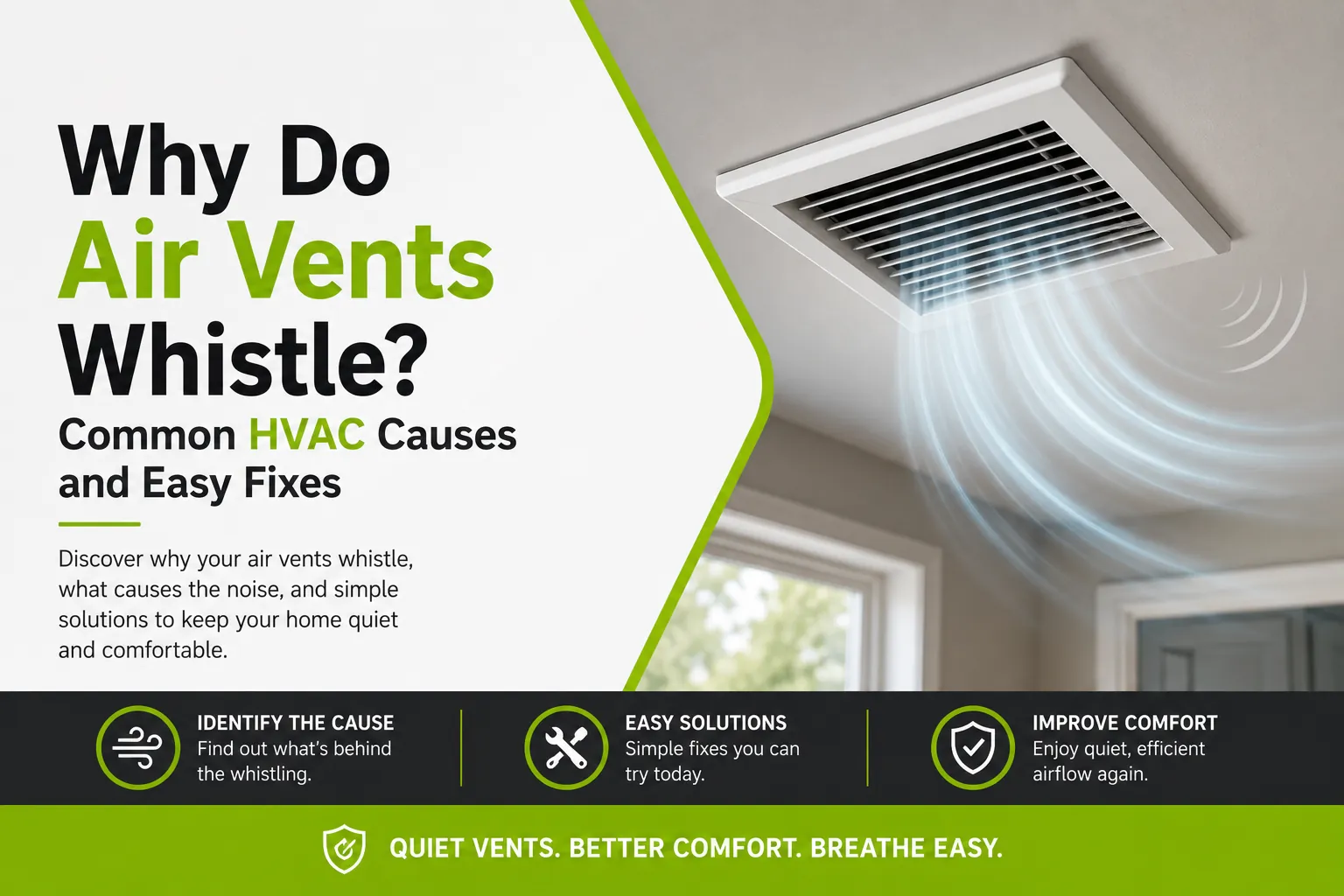

If you have ever asked yourself why do air vents whistle, you are not alone. A persistent hvac whistling sound coming from your ceiling or wall vents can quickly become frustrating, especially at night when the house is quiet. In many homes, a whistling sound is caused by airflow restrictions, dirty vents, clogged air filters, damaged air duct connections, or pressure problems inside the hvac system. While some minor issues can be corrected with simple adjustments, ongoing air duct noise often points to deeper problems that reduce comfort, strain your equipment, and impact indoor air quality. Many homeowners researching duct cleaning value discover that noisy vents are commonly linked to neglected HVAC maintenance.
A loud noisy ac vent is more than an annoyance. It can indicate poor airflow balance, excessive static pressure, loose vent covers, undersized returns, or blocked hvac ducting. When the system struggles to move the proper amount of air, the result is often a sharp hvac whistling sound that travels throughout the home. Understanding what causes these noises can help you protect your air conditioner, improve efficiency, and avoid expensive repairs later.
Why a Whistling Air Vent Should Never Be Ignored
Many homeowners assume a noisy air vent in bedroom areas is harmless, but unusual sounds are usually warning signs. A vent that is constantly blowing the whistle may indicate restricted airflow inside the duct system. When airflow becomes trapped or compressed, pressure builds inside the vents and creates high-pitched noises. Over time, this can place additional stress on the blower motor, reduce heating and cooling performance, and shorten the life of your equipment.
Persistent air conditioning vent noise may also reveal hidden problems inside the ductwork. Dust buildup, crushed flexible ducts, disconnected joints, or damaged vent seals can all contribute to duct noise. In some cases, the problem becomes worse during seasonal temperature changes because metal ducts expand and contract. According to the U.S. Department of Energy, restricted airflow significantly reduces HVAC efficiency and increases energy use.
Most Common Causes of Noisy Ductwork and Air Vent Whistling
One of the most common reasons for noisy ductwork is clogged or neglected air filters. Dirty filters force the system to pull harder to circulate air throughout the home. As airflow becomes restricted, the vents begin producing a loud whistling noise. This issue is especially common in homes with pets, high dust levels, or inconsistent HVAC maintenance schedules.
Another major cause of ac vent noise is blocked or closed vents. Some homeowners close vents in unused rooms to save energy, but this often increases static pressure inside the duct system. Excess pressure pushes air through smaller openings, creating the familiar house blowing the whistle effect. Improperly sized vents, damaged dampers, and disconnected ducts can also create excessive airflow turbulence inside the system.
- Dirty or clogged air filters
- Blocked return vents
- Loose vent covers or registers
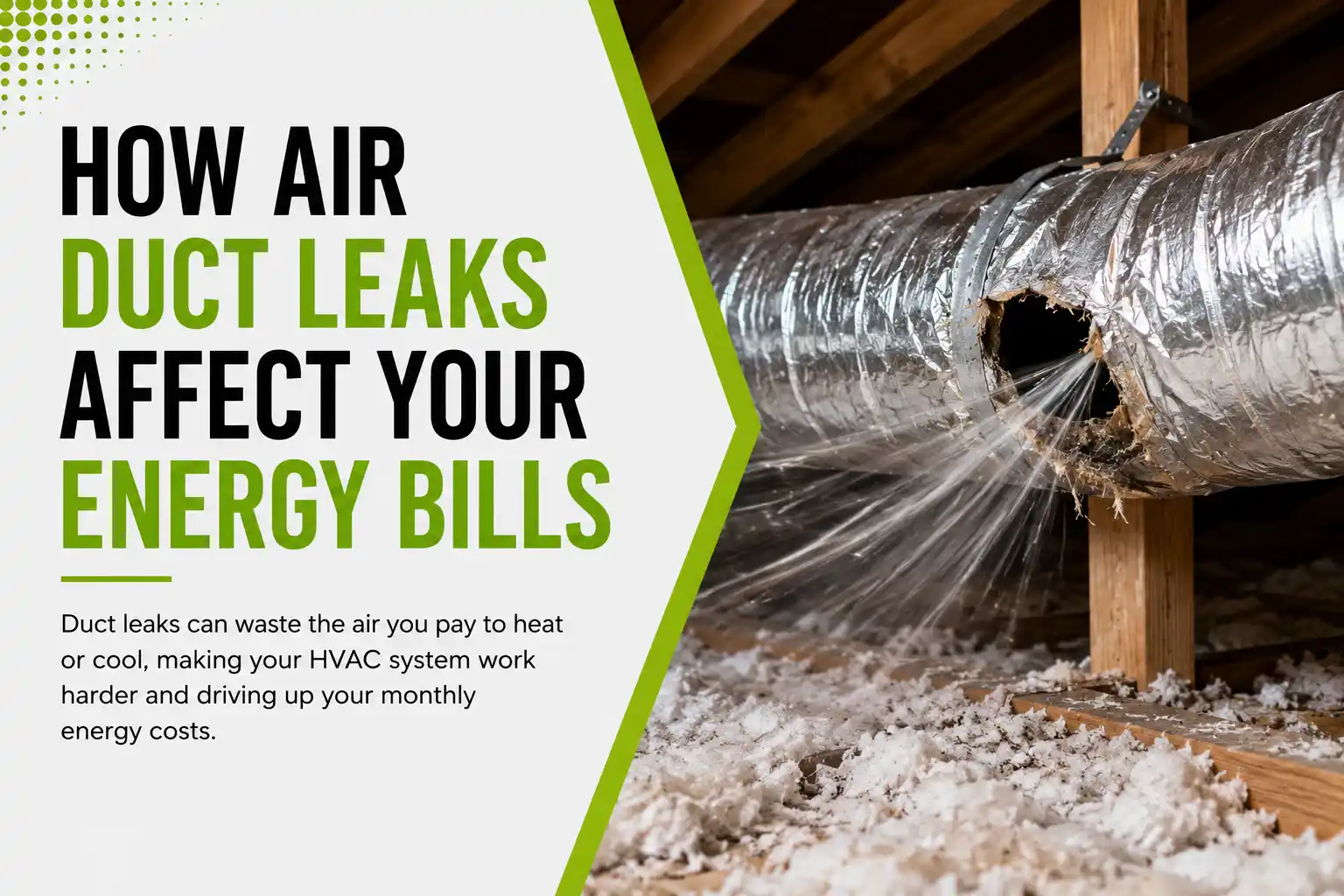
- Leaking or disconnected duct sections
- Excessive static pressure
- Undersized ductwork
- Poor HVAC airflow balancing
If the problem continues after changing filters and adjusting vents, the issue may involve internal duct contamination. Dust accumulation inside vents can reduce airflow and contribute to poor indoor air circulation. Homeowners researching dirty duct signs often notice unusual vent noises along with dust buildup and uneven room temperatures.
How Restricted Airflow Creates HVAC Whistling Sound Problems
Your hvac system depends on balanced airflow to function properly. When airflow becomes restricted anywhere inside the system, pressure changes begin creating vibrations and sound. That is why homeowners frequently ask, why is my air vent making noise even though the HVAC unit still works normally. The answer is usually tied to airflow imbalance rather than a mechanical breakdown.
Restricted airflow often develops gradually. Dust accumulation, collapsed flexible ducts, blocked returns, and dirty evaporator coils slowly reduce circulation over time. Eventually, air is forced through tight openings at higher velocity, which creates a sharp whistling sound. Research published by University of Maryland Extension explains that airflow restrictions can dramatically reduce HVAC performance and increase energy costs.
| Problem | Possible Cause | Typical Solution |
| High-pitched vent whistle | Restricted airflow | Replace filters and inspect vents |
| Rattling duct noise | Loose duct connections | Duct sealing and repair |
| Noisy bedroom vent | High static pressure | HVAC airflow balancing |
| Whistling during cooling cycles | Dirty evaporator coil | Professional HVAC cleaning |
Fast Solutions Homeowners Can Try First
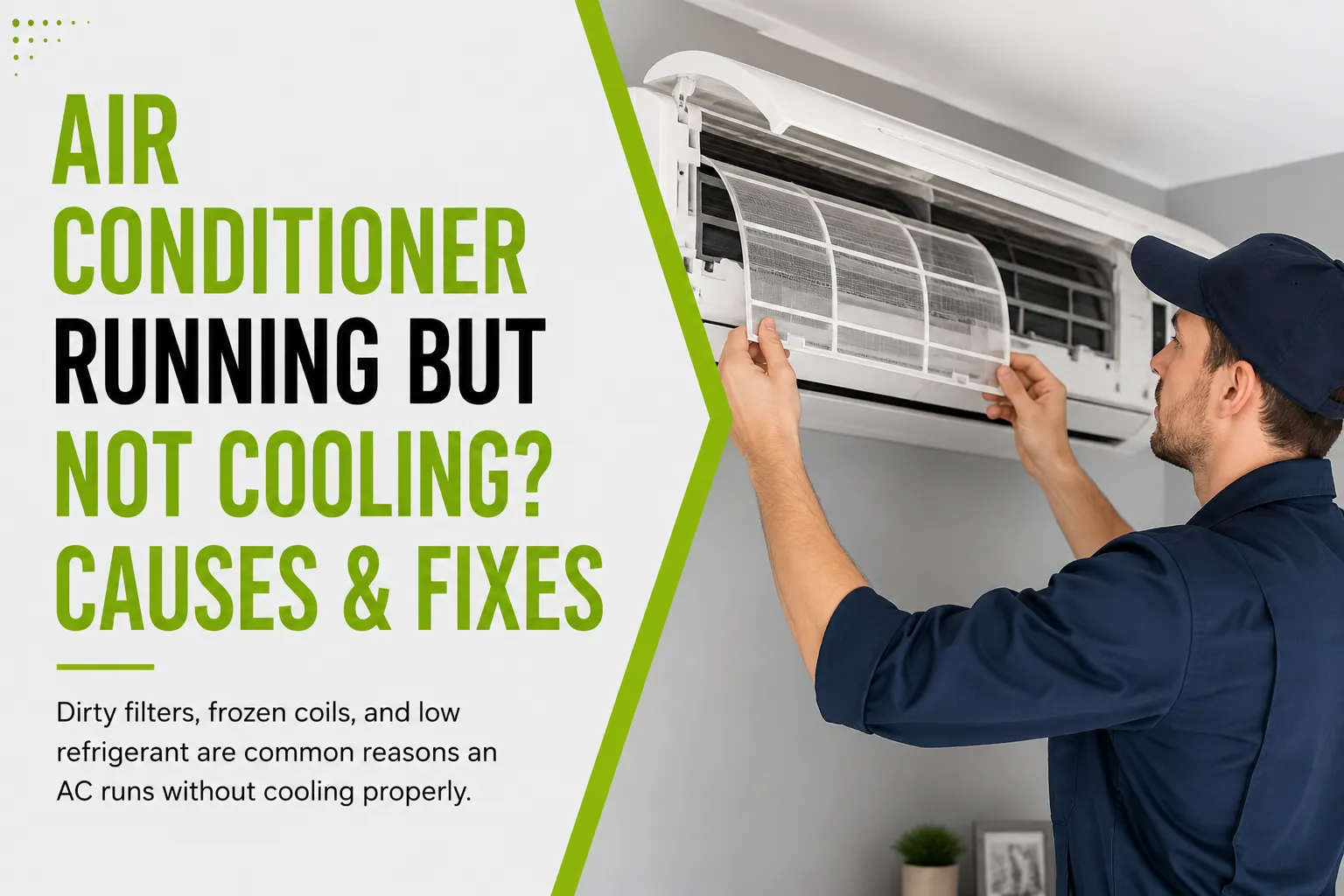
Some cases of air duct noise can be improved with basic maintenance. Start by inspecting all supply and return vents for dust buildup or obstructions. Furniture, rugs, curtains, and closed doors can all interfere with airflow circulation. Replacing dirty air filters is another important first step because clogged filters increase strain throughout the entire HVAC system.
Homeowners should also check vent covers for loose screws or warped metal components. A vibrating vent register can amplify airflow sounds and create loud noisy air movement. If the vent whistle changes after adjusting the register opening, the problem may involve airflow pressure rather than damaged ductwork. Many homeowners also benefit from learning about airflow fixes that improve HVAC performance and reduce system strain.
- Replace HVAC filters every 1 to 3 months
- Keep supply and return vents open
- Remove dust buildup from vent covers
- Check for crushed flexible ducts in attics
- Schedule seasonal HVAC maintenance
Home Improvement Solutions That Reduce Air Conditioning Vent Noise
Some homes experience ongoing air conditioning vent noise because the duct system itself was poorly designed. Older homes frequently contain undersized ducts that cannot handle modern HVAC airflow demands. When the system pushes too much air through small ducts, the result is excessive pressure and continuous hvac whistling. In these cases, professional duct modifications may be necessary.
Adding or upgrading duct insulation can also help reduce noise transmission. Insulated ducts absorb sound vibrations while improving heating and cooling efficiency. Leaking ducts should also be professionally sealed because escaping air creates turbulence that contributes to noisy ductwork. Homeowners dealing with moisture-related issues may also benefit from understanding duct condensation problems that often accompany airflow restrictions.
Airflow Balancing Helps Eliminate Vent Whistling
Professional airflow balancing adjusts the distribution of air throughout the home. An HVAC technician measures pressure levels, airflow output, and return performance to correct imbalance problems. Proper balancing reduces static pressure, improves comfort, and minimizes the irritating whistling noise many homeowners experience during heating and cooling cycles.
DIY Repairs vs Professional HVAC Service
DIY maintenance can help resolve simple vent noise issues, but it often fails when deeper HVAC problems exist. Homeowners may replace filters or clean registers only to discover the hvac whistling sound keeps returning. That usually means the underlying issue involves damaged ducts, airflow restrictions, or pressure imbalances inside the system. Without proper testing equipment, these problems are difficult to diagnose accurately.
Professional HVAC inspections provide a complete view of the system. Experienced technicians inspect airflow rates, duct leakage, vent sizing, insulation quality, and equipment performance. They can also identify hidden contamination affecting air quality. According to the National Air Duct Cleaners Association, professionally maintained duct systems improve airflow efficiency and reduce indoor contaminants.
- DIY fixes handle basic airflow problems
- Professionals identify hidden duct damage
- HVAC testing measures pressure accurately
- Professional cleaning improves airflow circulation
- Repairs prevent long-term equipment strain
Signs Professional Service Is Needed Immediately
Some warning signs should never be ignored. If the noisy ac vent suddenly becomes louder, airflow weakens dramatically, or rooms feel unevenly cooled, professional inspection is recommended. A struggling blower motor combined with excessive airflow restriction can eventually damage the entire HVAC system. Ignoring these symptoms may lead to higher repair costs later.
You should also schedule professional service if you notice excessive dust around vents, musty odors, or visible mold growth near registers. These issues often appear together with severe air duct contamination and airflow restrictions. Homeowners researching black vent dust frequently discover that neglected duct systems contribute to both vent noise and indoor air concerns.
Why Homeowners Trust Air n Fires for HVAC and Duct Solutions
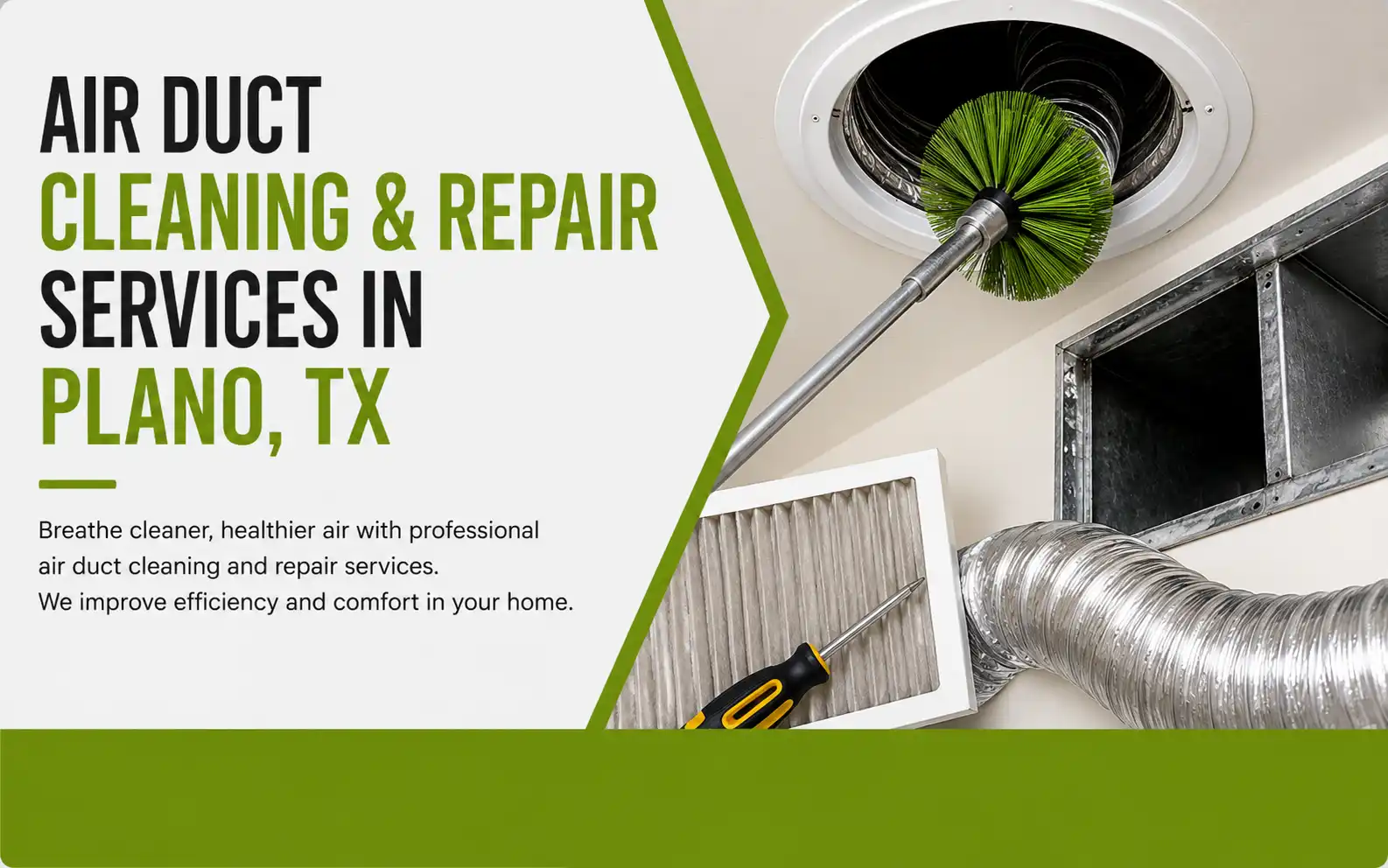
Homeowners want more than temporary fixes when dealing with persistent ac vent noise. They need experienced professionals who can accurately diagnose airflow problems and provide long-term solutions. From duct inspections and airflow balancing to full duct repair services, experienced technicians can restore proper circulation and reduce unnecessary system strain.
Proper HVAC care also improves comfort, efficiency, and indoor cleanliness throughout the home. Services such as duct sealing, vent inspections, filter evaluations, and airflow correction all help eliminate recurring whistling sound problems. Homeowners dealing with damaged or aging ducts may also benefit from professional duct repair services to restore proper airflow performance.
FAQs About Noisy Ductwork and HVAC Whistling
Why is my air vent making noise at night?
A noisy air vent in bedroom areas often becomes more noticeable at night because background sounds are lower. Temperature changes can also cause metal ducts to expand and contract, creating airflow vibrations and whistling noises inside the HVAC system.
Can dirty air filters cause hvac whistling?
Yes. Dirty air filters restrict airflow and increase static pressure inside the system. As air struggles to pass through the ducts and vents, it creates a high-pitched hvac whistling sound that may worsen over time.
Why does my house sound like it is blowing the whistle?
A home that sounds like it is blowing the whistle usually has airflow restrictions, leaking ducts, or partially closed vents. High air pressure moving through narrow openings commonly creates loud vent whistling throughout the house.
Can air duct cleaning reduce air conditioning vent noise?
In many cases, yes. Dust and debris buildup inside the air duct system can reduce airflow efficiency and contribute to duct noise. Cleaning the ducts may improve circulation and reduce pressure-related airflow sounds.
Is noisy ductwork dangerous?
Noisy ductwork itself may not be dangerous, but it can indicate HVAC strain, airflow restrictions, or hidden duct damage. Ignoring persistent noise may eventually lead to equipment wear, higher energy bills, and poor indoor comfort.
Why does my ac vent noise get louder during summer?
During hot weather, your air conditioner works harder and moves more air throughout the system. Increased airflow can amplify pressure problems, leaks, and restrictions, making air conditioning vent noise more noticeable during summer months.
Schedule Professional Help for Persistent Air Vent Noise
A constantly whistling vent is usually a symptom of a larger airflow or duct issue. While replacing filters and cleaning vents may help temporarily, ongoing hvac whistling often requires a complete inspection of the duct system and airflow performance. Addressing the issue early can improve efficiency, reduce equipment stress, and restore quiet comfort throughout your home.
Conclusion
If you are still wondering why do air vents whistle, the answer often comes down to restricted airflow, duct pressure problems, dirty components, or damaged HVAC ducting. Small issues can quickly grow into larger efficiency and comfort problems if left untreated. Professional inspection and maintenance can help identify the real cause before expensive repairs develop. To improve airflow, reduce vent noise, and restore comfort in your home, contact Air n Fires to schedule a professional HVAC and duct evaluation.