
Your vents look dusty, the house smells a little stale, and the air conditioner has been running nonstop since May. Is it time to clean the ducts, or would that just be money spent on a service you don’t need? The honest answer depends on what is actually inside your system. If you want a local example while you read, AIR N Fire is a Plano company that lists duct inspection and cleaning among its services.
This guide explains when air duct cleaning in Plano TX makes sense, what a proper visit includes, and what Texas rules say about who can do the work. You will also see which cost factors move a quote up or down and how to compare providers fairly. Use the checklist near the end with any company you consider, and you will be able to decide with confidence.
Signs your ducts may need attention
Dusty vents alone are not a reason to call someone. Return registers collect dust because room air passes through them, so you can vacuum or wipe them yourself. In fact, the U.S. Environmental Protection Agency (EPA) does not recommend routine duct cleaning. Its guidance, first published in 1997, says to clean ducts only when there is a reason.
The EPA names three situations that justify a closer look:
- Visible mold growth on hard ducts or other parts of the heating and cooling system
- Rodents or insects living in the ducts
- Heavy dust and debris that clog the system or blow out of the supply registers
Other situations can also make an inspection worthwhile. For example, a major renovation can leave fine dust in the returns. Pets add hair and dander. Likewise, a roof leak or a clogged AC drain line can soak duct insulation. In each case, an air duct inspection shows what is inside before you spend money on cleaning.
On the other hand, your ducts may be fine. If no one in your home has unexplained symptoms and a visual check shows no heavy dust, mold, or pests, the EPA says cleaning is probably unnecessary.
What a professional cleaning involves
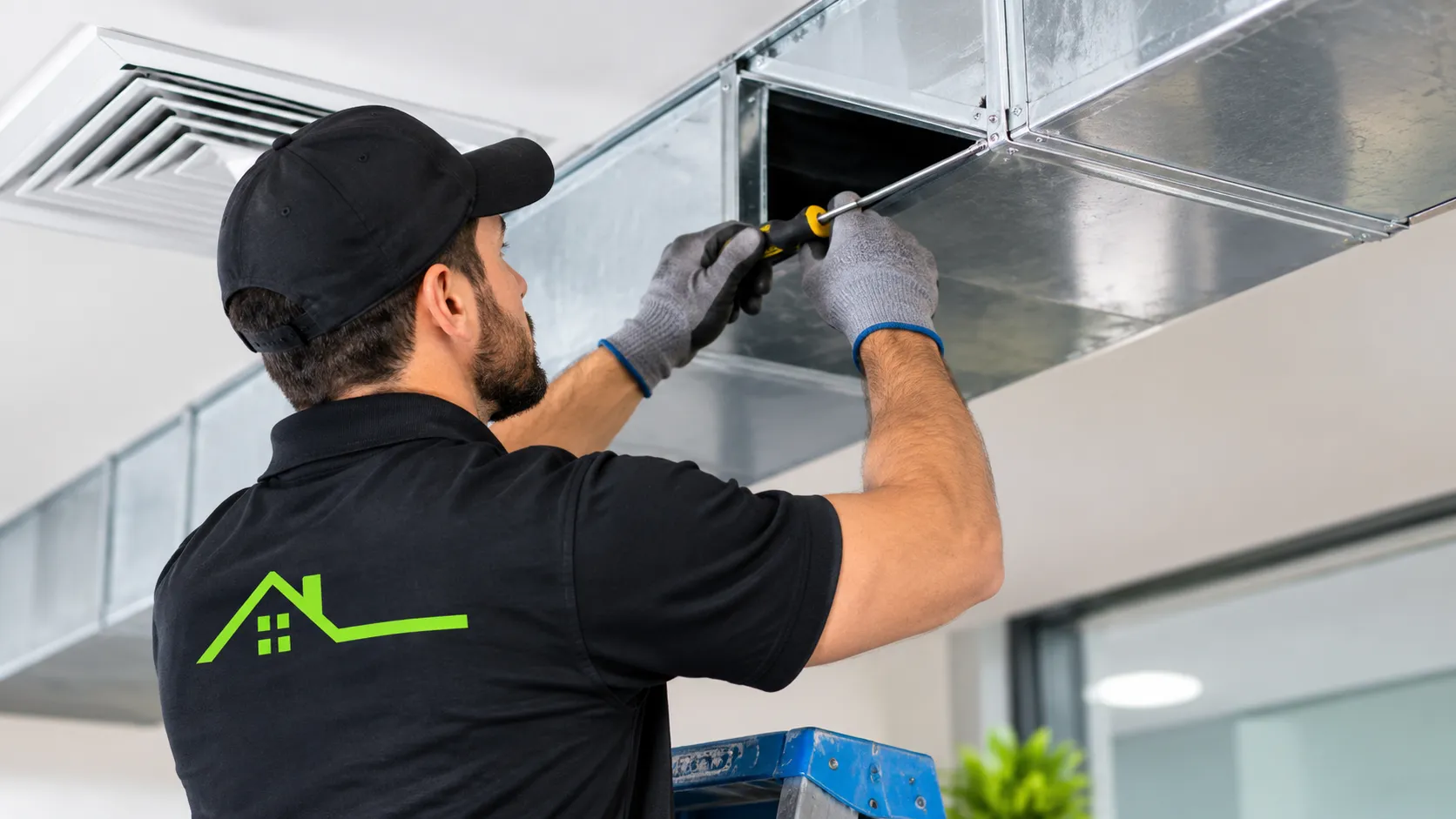
A good visit starts with a look, not a sales pitch. First, the technician inspects the registers, the main supply and return trunks, and the air handler, often with a camera. You should see photos or video of anything they find.
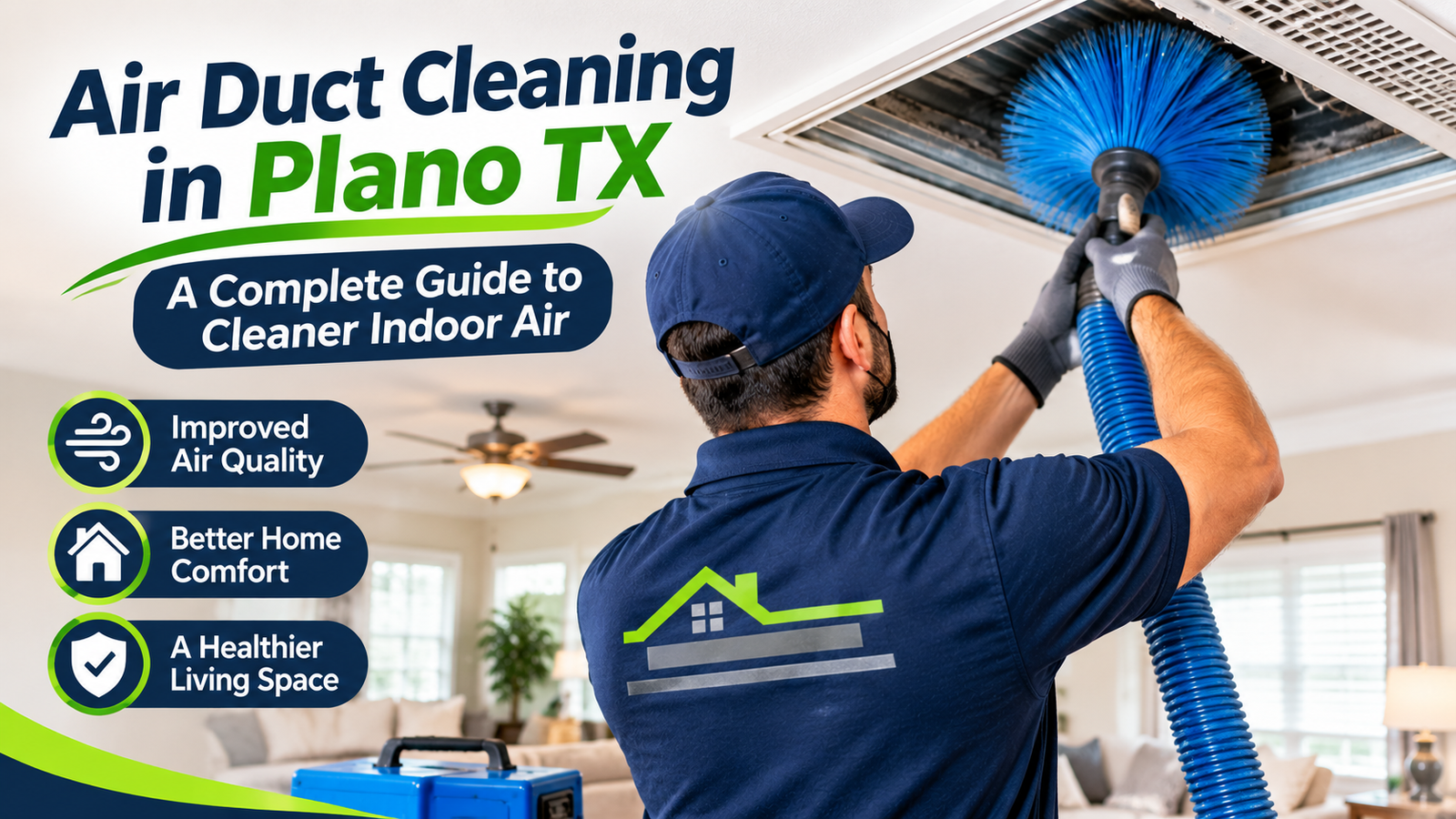
Next, the crew protects your floors and furniture and opens access points in the ductwork. Strong vacuum equipment pulls air through the ducts while brushes or compressed air loosen debris from the walls. As a result, the dust travels to a collection unit instead of drifting into your rooms. Registers and grilles come off, and the crew cleans them by hand.
Finally, the technician checks the work and closes every access point. The EPA advises making sure a provider agrees to clean all parts of the system, not only the visible duct runs. Most single-system visits take a few hours, though larger homes with several systems take longer. The goal is better indoor air quality and a cleaner HVAC system, not a promise of health results.
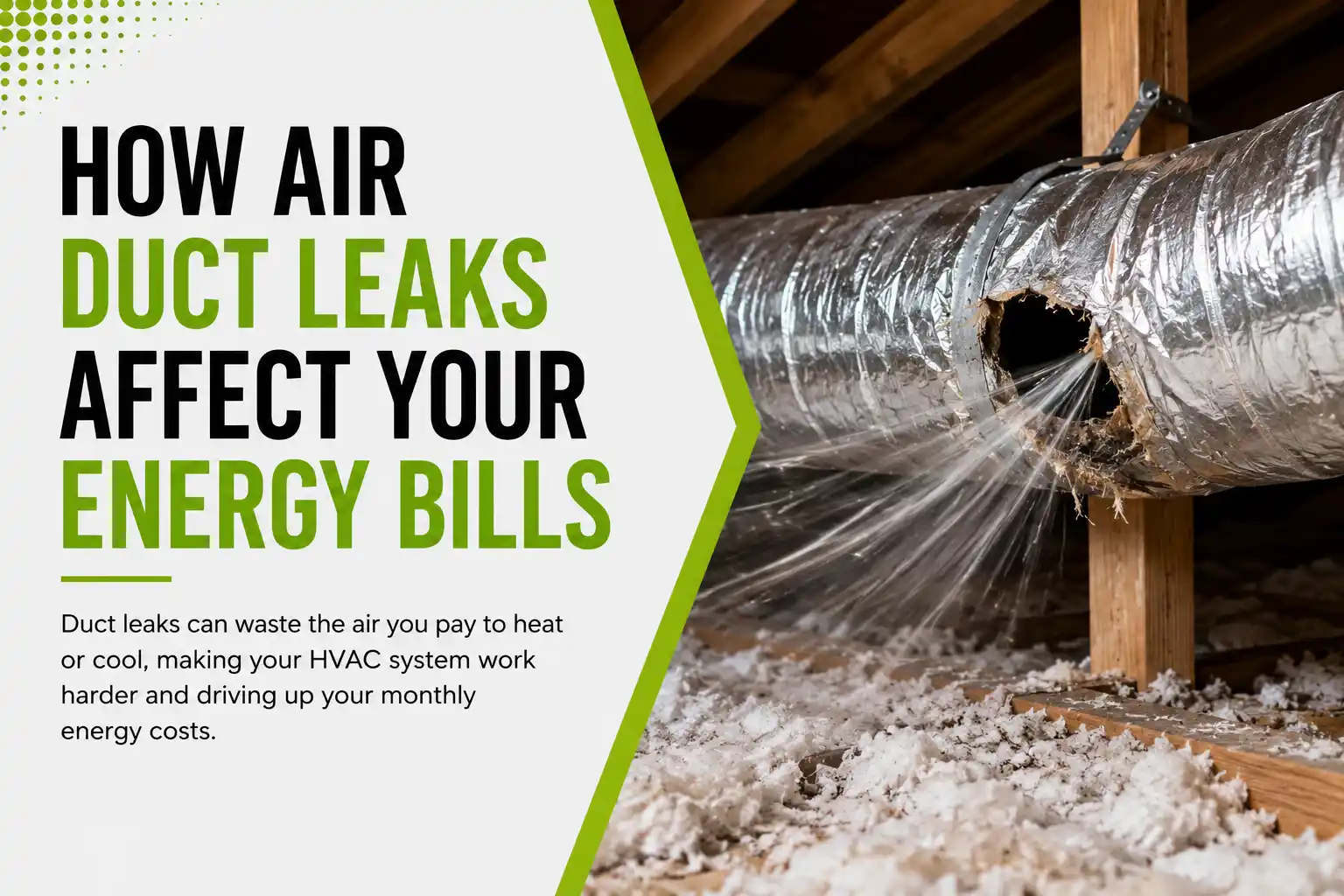
Here is an illustrative scenario. A family finishes a kitchen remodel in a two-story Plano home. Weeks later, the upstairs vents still leave a fine white film on the nightstands. An inspection finds drywall dust packed into the return trunk. The crew removes it and notes a loose duct joint in the attic. Then the family books a separate sealing job, because the EPA notes that sealing duct leaks can save energy. This example is fictional and does not describe a real customer.
What Texas rules say about who can do the work
Texas treats some duct work as air conditioning contracting. The Texas Department of Licensing and Regulation (TDLR) licenses air conditioning and refrigeration contractors. However, its rules, found in 16 Texas Administrative Code section 75.100, let a company without that license clean ducts when the job stays narrow.
The legal limits are specific. First, the work must stay within the air distribution system. That means the path from the supply plenum, the main box that feeds your ducts, to the supply grilles, and from the return grille to the air handler. Second, the crew cannot cut ducts or plenums. Third, it cannot change electrical connections. Finally, the only disassembly allowed is removing grilles or registers that come off without cutting or removing other parts. The same rule says biomedical remediation requires a contractor license.
The next points are recommendations, not legal requirements. Ask any provider whether the job will involve cuts, equipment disassembly, or repairs. If it will, ask for the TDLR license number and confirm it with TDLR. TDLR’s own list of sanctions includes duct work done without a required license, so this check matters. In addition, ask for proof of liability insurance, since a mistake can damage a duct system. Repair or replacement work may also fall under local building codes, so ask who handles any city permit. Rules can change, so confirm current requirements with TDLR. This is general information, not legal advice.
Cost factors and service levels
Air duct cleaning cost in Plano varies from home to home. Online price tables for the area differ a lot and rarely explain how they were built. Instead, focus on the factors behind a quote:
- Number of HVAC systems and total vents
- Home size and duct length
- Access, such as tight attics or crawl spaces
- Condition, from light dust to pests or mold
- Add-ons like coil cleaning, sealing, or dryer vent service
The National Air Duct Cleaners Association (NADCA) tells homeowners to avoid very low whole-house specials and similar gimmicks. A cheap headline price can turn into upselling once work starts. So compare scopes, not just totals. The table below shows how common service levels differ.
| Service level | What it covers | Best for | Main variables |
|---|---|---|---|
| Inspection only | Camera or visual check of registers, ducts, and air handler | Homes with no obvious problem | Home size, access |
| Register and vent cleaning | Grilles and visible vent openings | Light dust, routine upkeep | Number of vents |
| Duct cleaning | Supply and return ducts, plenums | Heavy dust, pets, remodel debris | Duct length, number of systems |
| Full system cleaning | Ducts plus coil, blower, drain pan | Dirty equipment, past contamination | Equipment access, condition |
| Repair or replacement | Leak sealing, damaged or wet insulation | Leaks, water damage | Extent of damage, materials |
Work that involves cuts or equipment disassembly may fall outside the narrow cleaning exemption described above, so ask who holds the license for it.
Mistakes that waste money
These mistakes are easy to avoid:
- Cleaning ducts to solve a problem that is not in the ducts. For example, weak airflow in one room can come from a leak, a closed damper, or a clogged filter.
- Skipping the moisture fix. Because mold needs moisture, the EPA says cleaning without fixing the water source invites a repeat.
- Expecting lower energy bills. However, the EPA says little evidence shows that cleaning only the ducts improves system efficiency.
- Neglecting the basics. The EPA calls keeping water and dirt out of the system the most effective prevention, so change filters on schedule and fix leaks fast.
How to choose a provider in Plano
Start with questions, not prices. A provider who answers clearly is usually easier to work with. Before you book, ask for:
- A written scope listing each system, the parts to be cleaned, and any extras priced separately
- A clear answer on licensing, based on whether cuts or disassembly are needed
- Proof of liability insurance
- Before-and-after photos or video of the ducts
- Verification of any NADCA membership they claim, checked with NADCA itself
Local context matters, too. AIR N Fire, for example, lists dryer vent cleaning and fireplace services alongside duct work for Plano homes, which can simplify scheduling if you need more than one service. As with any company, ask for its license and insurance details, and compare its written scope with the questions above. Also, read reviews from several independent sources for a helpful outside view.
Frequently asked questions
How much does air duct cleaning in Plano TX cost?
The price depends on your home’s size, the number of HVAC systems, duct length, access, and how dirty the system is. Extras such as coil cleaning, sealing, or dryer vent service also add to the total. Because online Plano estimates vary widely, ask for a written quote that lists exactly what the price covers.
How often should I have my air ducts cleaned?
Use conditions, not a calendar. NADCA is commonly reported to suggest every three to five years for typical homes, while the EPA says to clean only when needed. Pets, remodeling, smoking, or past water damage can shorten that interval. Therefore, a professional inspection tells you more than a date on the wall.
Do air duct cleaners in Texas need a license?
It depends on the work. Texas rules let unlicensed companies clean ducts only if they do not cut ducts, change electrical connections, or take apart anything beyond removable grilles. Jobs that go further need a TDLR air conditioning contractor license. You can confirm a license with TDLR.
Will duct cleaning help my allergies?
Not necessarily. EPA guidance says no evidence shows that a light layer of household dust in ducts harms your health. However, allergy triggers also come from carpets, bedding, pets, and outdoor air. If symptoms are unexplained or persistent, talk with your doctor instead of assuming the ducts are the cause.
Do I need a chemical sanitizer or biocide in my ducts?
Usually not. The EPA says no chemical biocides are currently registered for use in internally insulated duct systems. If a provider proposes any treatment, it should come only after cleaning removes all visible dust and debris. Also, ask what product they use and why before you agree.
How can I spot a duct cleaning scam?
Watch for very low whole-house specials, pressure to decide on the spot, and health claims you cannot verify. In addition, some bad actors falsely claim NADCA membership or say the EPA recommends routine cleaning. Ask for a written scope, photos, and license details, and check any membership claim directly with the association.
Can I clean my air ducts myself?
Yes, for light upkeep. You can vacuum and wipe registers and replace filters on schedule. However, deeper cleaning is harder, and a household vacuum cannot reach far into ductwork. The EPA also warns that careless or untrained cleaning can damage ducts and the heating and cooling system, so leave inside-the-duct work to trained providers.
What should I do if the technician finds mold in my ducts?
Ask for photos, and consider having suspected mold confirmed before you agree to costly work, since some substances only look like mold. The EPA says wet or moldy duct insulation should be removed and replaced because it cannot be cleaned effectively. Then request a written plan covering the water source, the repair, and the cleaning.
Is dryer vent cleaning part of duct cleaning?
No. Your dryer vent is a separate path that carries hot, lint-filled air outside, while HVAC ducts move heated and cooled air through your home. Many companies offer both, and you can often schedule them together. Also, ask for each service to appear separately on the quote so you can compare accurately.
Does Plano’s climate make duct cleaning more necessary?
Not by itself. Plano summers are long and hot, so air conditioners run for months and filters load up with dust. As a result, filter changes and leak checks matter. Still, the EPA’s triggers apply: visible mold, pests, or heavy debris. Climate affects how hard your system works, not whether cleaning is needed.
Your next step
Start with a simple check. Look at your registers, think about recent remodeling, leaks, or pests, and see whether any of the EPA’s reasons for cleaning apply. If they do, ask two or three providers for an inspection, a written scope, and their license details before you compare prices. The key takeaway is simple: clean when there is a reason, and hire with care. If you want a local team to look at your system, you can contact AIR N Fire to schedule an inspection and ask your questions. With a little preparation, you can make this decision calmly and get the result you need.