
Indoor air can be up to five times more polluted than outdoor air, according to the Environmental Protection Agency (EPA). You can not make significant improvements to the outdoor air quality; however, do your best to breathe the best air inside.
Regular air duct inspections are one of the most overlooked methods for improving indoor air quality and protecting respiratory health. These inspections identify hidden pollutants and prevent indoor air contamination by reducing buildup, enhancing airflow, controlling mold growth, and improving energy efficiency.
In this article, we will discuss some essential steps to improve your home indoor air quality in a measurable and long-lasting way.
Why Indoor Air Quality Is Worse Than You Think?
The EPA states indoor air pollution levels can be 2–5 times higher than outdoor air; poor indoor air quality contributes to respiratory irritation, fatigue, and even chronic illness. While homes may appear clean, hidden airborne pollutants build up silently over time and to improve indoor air quality of your home, it’s essential to detect and eliminate these recurring toxins before they impact long-term health and comfort. For a better understanding of duct-related pollutants, explore our guide on Signs Your Air Ducts Need Cleaning.
What Causes Poor Indoor Air Quality?
Common contributors of poor indoor air quality include mold spores, VOCs, bacteria, dust mites, and pollen; these invisible particles thrive in hidden places, such as carpet fibres, furniture padding, and air ducts.
While VOCs come from cleaning supplies, candles, and certain paints, pet dander and pollen enter through windows or clothing and without regular attention, these pollutants circulate nonstop. If you are asking how to improve indoor air quality, start by knowing exactly where these toxins come from.
Health Consequences of Poor Air
Harvard research (2022) links prolonged exposure to PM2.5 to early cognitive decline and memory issues. The CDC also confirms that indoor air pollutants worsen asthma, allergies, and COPD; these contaminants accumulate inside ducts and recirculate every time your HVAC system runs. If your goal is to improve your home indoor air quality, you must interrupt this cycle by tackling what’s hidden deep in your ventilation system.
How Air Duct Inspections Improve Indoor Air Quality?
NADCA-certified inspections detect mold, debris, and leakage points; this process directly reduces pollutant recirculation. Ducts are often out of sight and out of mind, but they silently carry dust, pet dander, and allergens throughout your home. Hence, getting them inspected is a direct and measurable way to improve indoor air quality and keep harmful particles from settling back into your space. To get professional help, explore our local air duct inspection services in Plano for expert HVAC system care and testing.
Identifying Airborne Contaminants
Scope cameras help technicians detect mold growth, rodent droppings, and deteriorated insulation; thermographic tools locate cold spots, often indicating air leaks – these tools offer a clear view inside the system, showing contaminants you can’t see.
When considering how to improve indoor air quality, this visibility is truly required because with proper inspection, you are guessing and acting on real evidence.
Quantified Benefits of Clean Ducts
Berkeley Lab found HVAC efficiency to rise by 20–30% after professional duct cleaning and sealing. EnergyStar adds that sealing ducts cuts energy waste by about 20% per year.
But it is not just about energy; it’s also about the air you breathe; when technicians remove debris that compromises air quality, they help improve indoor air quality while lowering long-term utility costs and extending HVAC life. Learn more about the benefits of air duct cleaning for home and how they directly affect your health.
How to Improve Your Home Indoor Air Quality – 3 Core Methods
Improving your home indoor air quality begins with integrated solutions, where each method addresses a unique source of indoor pollution, so combining approaches offers greater results.
No doubt, clean ducts are the foundation, but advanced filtration and sanitization ensure continued protection. If you are serious about how to improve indoor air quality, apply the following methods to your system for long-lasting results:
Method 1 – Duct Inspection and Cleaning
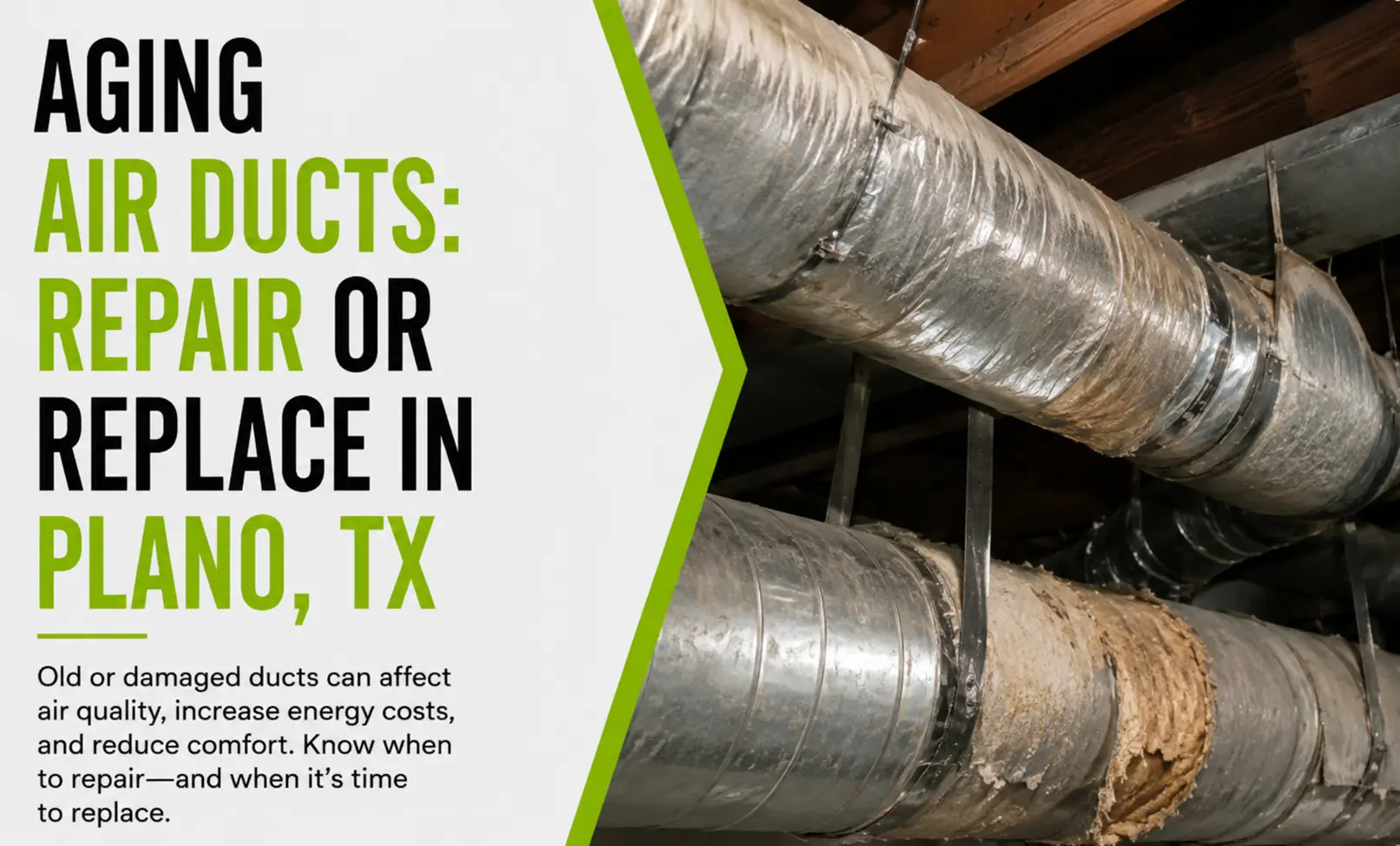
Your air ducts are an essential part of your home, circulating air throughout every room. If they are filled with mold, dust and debris, that dust will be mixed in the air you breathe.
Regular duct inspections involve assessing the condition of the air duct with tools like cameras and professional cleanings are crucial to ensure that they are clear of any pollutants. This not only boosts air quality but also enhances the efficiency of your HVAC system. Scheduling regular indoor air duct cleaning can be a game changer for anyone with health issues like allergies or asthma. For deeper insights, read our detailed guide on Air Duct Cleaning – Type, Process and Benefits.
Method 2 – Install ERV or HRV Ventilation Systems
Installing a suitable ventilation system helps ensure that your home gets a continuous supply of fresh air while expelling pollutants and stale air from the indoors.
Systems like energy recovery ventilators (ERV) reduce CO2 buildup and VOC accumulation while heat recovery ventilators (HRV) exchange stale indoor air without losing heat/cooling energy. Investing in good ventilation can reduce indoor air pollution, creating a healthier and more comfortable environment.
Method 3 – Integrate HEPA Filtration and UV Purifiers
HEPA filters capture 99.97% of airborne particles as small as 0.3 microns. According to NIOSH, these filters trap allergens, dust, pet dander, and pollen before contaminants circulate through your HVAC system.
UV-C lamps go a step further by inactivating mold spores, bacteria, and viruses at the molecular level. Together, these technologies offer an advanced indoor defence strategy. To truly improve indoor air quality, this combination filter actively destroys harmful agents and helps improve your home indoor air quality over time.
Table – Common Indoor Air Problems and Their Solutions
This table summarizes how to improve indoor air quality based on root causes.
| Air Quality Problem | Root Cause | Inspection Solution | Equipment Fix |
| Mold & Foul Odors | Humidity in ducts | Moisture detection + wipeout | UV purifier + sealant |
| Low Airflow | Duct blockage or kinked lines | Scope camera + pressure test | Air duct straightening |
| Visible Dust / Pet Dander | Dirty return vents | Vacuum debris + HEPA filter | MERV-13 filter upgrade |
| CO₂ Buildup | Poor ventilation | Ventilation audit | ERV installation |
Use this breakdown to identify your specific issues and how duct inspections and HVAC upgrades can resolve them efficiently.
When Should You Schedule an Air Duct Inspection?
NADCA recommends air duct inspections every 3–5 years, or annually for homes with smokers, pets, or known mold issues. Regular inspections help identify hidden problems before they impact air quality, while delays allow pollutants to build up unseen. If you’re wondering whether it’s worth it, check our in-depth article on Is Air Duct Cleaning a Waste of Money?.
If you are looking to improve your home indoor air quality, proactive inspections and keeping ducts clean ensure better airflow, less dust, and a healthier breathing environment every season.
Warning Signs to Watch For
If you see dust collecting near vents, notice a musty smell, or spot mold around HVAC grilles, your system may be contaminated. Visible particles inside registers are another red flag; these signs often go unnoticed until health issues begin. So, taking action early can significantly improve indoor air quality and prevent long-term damage to your HVAC system and health.
Why Not All Duct Cleaning is Equal?
NADCA members follow strict vacuuming and sealing protocols; they use specialized equipment to remove contaminants without dislodging more. Non-certified services may stir up debris and worsen air quality; hence, before booking a cleaning, request HVAC air testing or an annual duct audit to ensure real performance results. To truly improve indoor air quality, hire experts who follow NADCA standards, not just anyone claiming to know when to inspect ducts. To ensure you’re choosing a trusted team, review our air duct inspection services in Plano and schedule with certified professionals.
How to Maintain Indoor Air Quality Between Inspections?
Duct cleaning isn’t a one-time fix. To truly improve indoor air quality, consistent habits and maintenance are essential. Small changes in your daily routine can make a lasting impact on the air you breathe. Here is how to keep your home’s air clean in the months and years between professional duct inspections.
Change Filters on Schedule
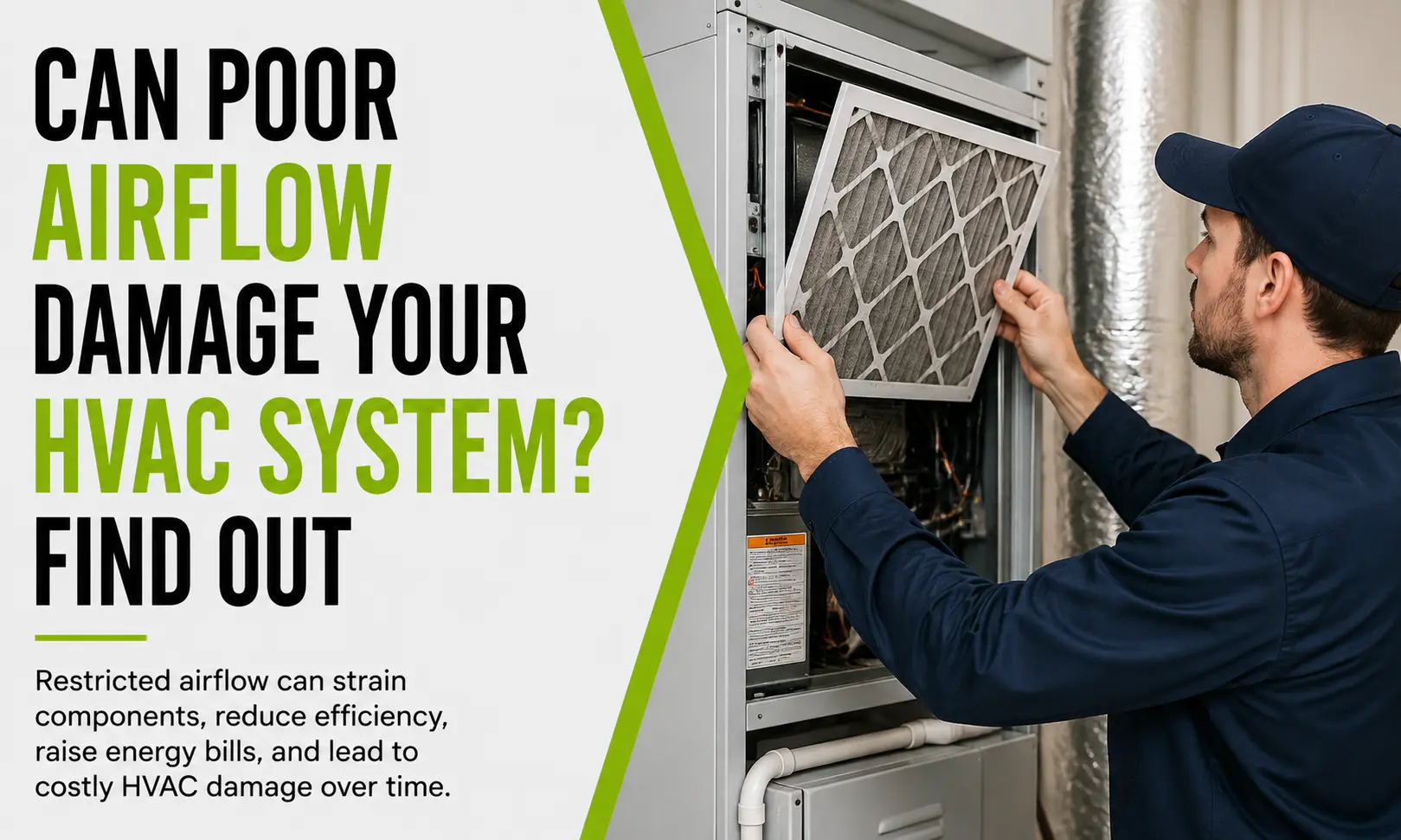
Harvard’s Healthy Buildings Program recommends MERV 13+ filters for optimal protection; these filters trap fine particles that cause respiratory irritation. Remember to change them every 30–90 days, depending on usage and household conditions. If you forget or skip filter changing, it will allow the pollutants to build back up. To improve indoor air quality, this is one of the simplest and most impactful tasks.
Balance Humidity
Humidity plays a huge role in air quality, as the EPA advises, one should use dehumidifiers to stay under 50%, especially in damp regions. In dry winter climates, humidifiers can add needed moisture. Balanced humidity discourages mold, bacteria, and dust mites, so if you aim to improve indoor air quality, start monitoring indoor moisture levels immediately.
Remove Indoor Pollution Sources
Everyday products may seem harmless, but release toxins over time, such as scented candles, VOC-heavy cleaning products, and pressed wood furniture, which can emit formaldehyde and other harmful compounds. You should choose low-VOC alternatives and increase ventilation. Removing these sources is one of the most effective ways to improve indoor air quality without any added cost.
Conclusion: Improving Indoor Air Quality Is a Multi-Layered Strategy
Regular air duct inspections, backed by certified professionals, are the foundation for improving indoor air quality. Supplement this with proper filtration, humidity control, and modern ventilation technology for the cleanest possible air in your home.
FAQs – How to Improve Indoor Air Quality
How often should I inspect my air ducts?
A professional air duct inspection at least once a year is a good starting point, especially if there is heavy use of heating and cooling systems. NADCA and EPA suggest inspections every 3–5 years. Homes with pets, and known allergy issues or poor indoor air quality should be inspected annually.
Do duct inspections improve indoor air quality?
Yes, inspections can certainly improve indoor air quality, which identifies dust, mold, rodent waste, and damage. This improves airflow and stops recirculation of pollutants. Regular duct inspections are more important in older homes, leading to healthier living environments.
What else helps improve indoor air quality?
A combined strategy is best to get quality air to breathe. HEPA filters, UV Purifiers, ERV & HRV ventilation systems, upgraded HVAC filters, and proper humidity control support clean air. Everything should function properly to deliver the best results. For residents near the area, our Air Duct Cleaning in Lewisville service ensures professional inspection, cleaning, and maintenance for optimal air quality year-round.
Is indoor air really worse than outdoor air?
Yes. The EPA says indoor air is 2–5 times worse than outdoor air. The indoor air often comprises higher levels of pollutants, including VOCs, carbon monoxide, dust, and allergens, due to confined spaces and poor air circulation. Common household activities can also contribute to bad air inside.
How to improve your home indoor air quality year-round?
Regular air duct inspections, HVAC maintenance, MERV 13+ filters, and humidity management create a stable, clean air environment year-round. In simple terms: control the sources of pollution, adequate ventilation, and, use supplemental air cleaning methods.