
Your upstairs bedroom never cools down, the energy bill keeps climbing, and a technician mentions “the ducts.” Should you patch them or replace them? The right answer depends on how bad the damage is, not on how old your house is. If you want a local example while you read, AIR N Fire is a Plano company that lists air duct repair and maintenance among its services.
This guide explains the warning signs that point to air duct repair in Plano TX, when sealing is enough, and when replacement makes more sense. You will also see what Texas rules say about who can do the work, how Plano permits may apply, and which cost factors shape a quote. In short, you will learn how to match the fix to the problem.
Signs your ducts have a problem
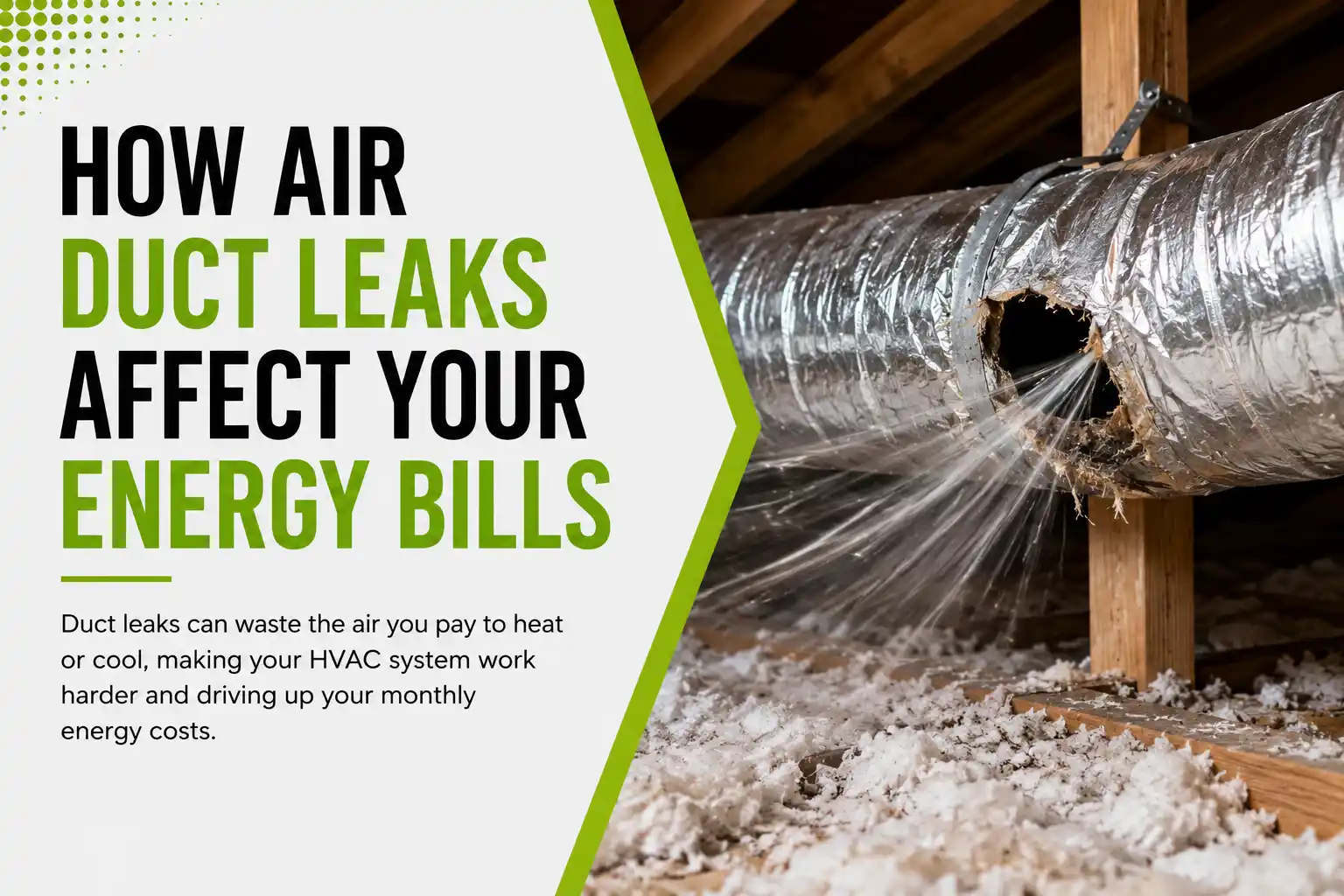
Ducts hide in attics, walls, and crawl spaces, so problems stay out of sight. According to ENERGY STAR, a typical house loses about 20 to 30 percent of the air that moves through its ducts because of leaks, holes, and poor connections. That lost air is cooled air you paid for. If your ducts run through a hot attic, as many North Texas homes do, a leak there wastes cooled air quickly.
Several clues can point to a duct problem:
- Rooms that stay hotter or colder than the rest of the house
- Energy bills that rise without a change in how you use the system
- Dust that returns quickly after cleaning
- Whistling, rattling, or whooshing noises from the ductwork
- Visible damage, such as crushed flexible duct, sagging runs, or peeling tape
Each clue has other possible causes. For example, a dirty filter or an undersized system can create similar symptoms. Therefore, an inspection should confirm the cause before anyone proposes a fix. A good inspector checks connections at the air handler and the vents, looks at insulation, and may use a duct leakage test to measure how leaky the system is. Moisture, pests, and sagging insulation deserve special attention, because they can signal larger damage.
When repair or sealing is enough
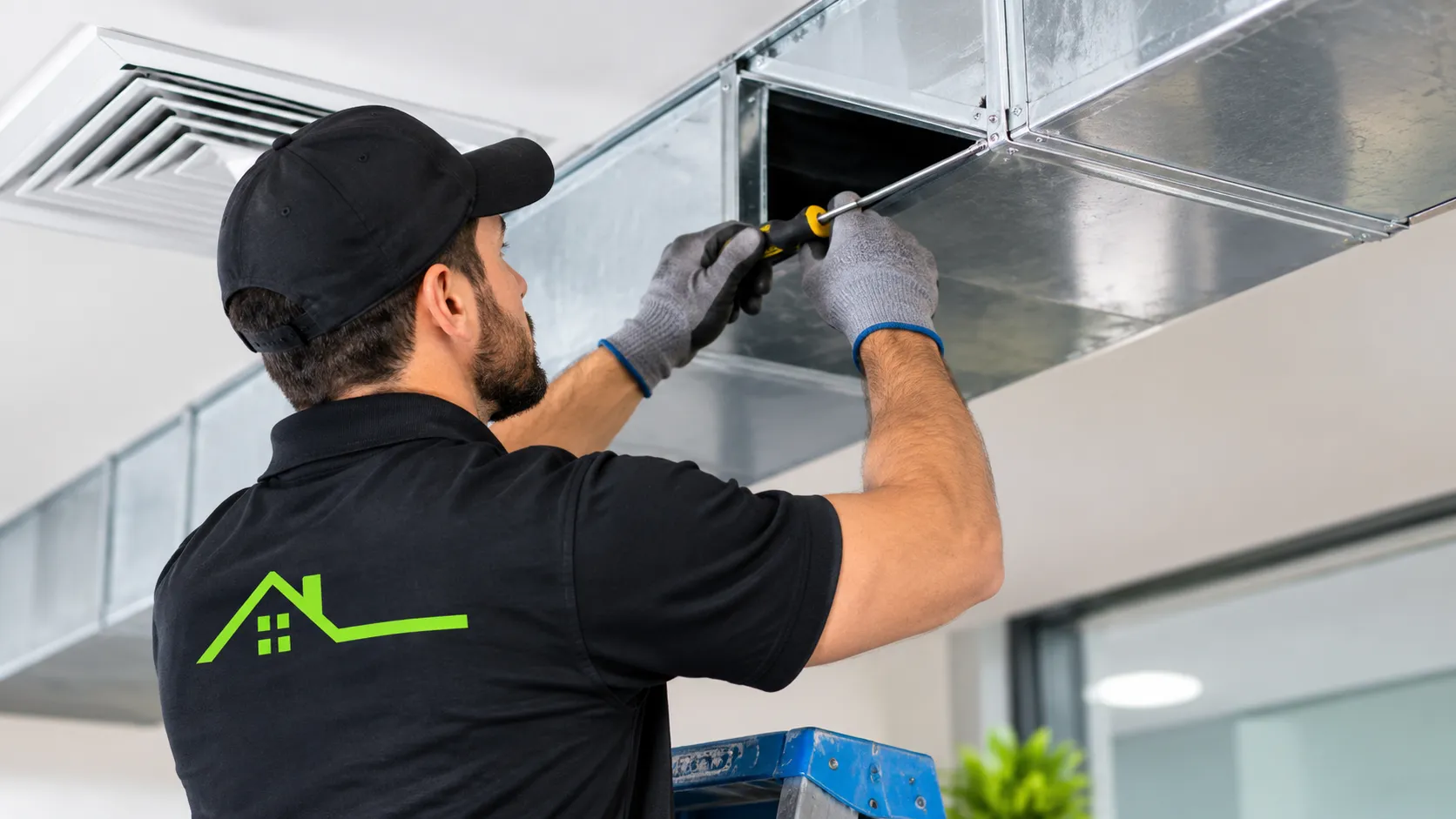
If the ductwork is basically sound, repair is usually the right call. Typical repairs include reconnecting separated sections, straightening kinked flexible duct, sealing joints and seams, and sealing registers tightly to the ducts.
ENERGY STAR advises using mastic sealant or metal tape for leaks, and it warns against regular duct tape because it does not last. The U.S. Department of Energy’s job aids describe the same approach, with mastic going over gaps and joints. Look for sealants and tapes with a UL 181 rating, a recognized standard for duct sealing materials.
Insulation matters too. ENERGY STAR also recommends insulating accessible ducts in attics, crawl spaces, and garages. Insulation will not fix a leak, but sealed and insulated ducts work together to keep cooled air cooled.
Here is an illustrative scenario. A family in a two-story Plano home notices that the upstairs bedroom stays warm every summer afternoon. An inspection finds a branch duct that has slipped off its collar in the attic, plus brittle tape on two joints. The contractor reconnects the branch and reseals the joints with mastic. The rest of the system tests sound, so no replacement is needed. This example is fictional and does not describe a real customer.
When replacement makes more sense
Repair has limits. Replace a duct run, or the whole system, when the damage is widespread or the material has failed. Flexible duct is the bendable, plastic-lined tube often used in attics, while rigid duct is sheet metal. Common reasons to replace include:
- Flexible duct with torn liners, crushed sections, or chronic sagging
- Wet or moldy duct insulation, which the EPA says cannot be cleaned effectively and should be replaced
- Pest damage that has chewed through several runs
- A poorly designed layout, such as undersized runs or too few returns
- A leakage test that shows patching will not be enough
Age alone is not a reason to replace. Condition matters more, so ask to see photos or test results that show the damage. The table compares your main options.
| Option | What it fixes | Best for | Main variables |
|---|---|---|---|
| Seal minor leaks | Gaps at joints, seams, and registers | Sound ducts with small leaks | Duct access, number of leaks |
| Repair sections | Disconnected, crushed, or damaged runs | Localized damage | Length of damaged runs, access |
| Replace runs | Failed flex or wet insulation | Damage in specific branches | Material, routing, attic access |
| Full replacement | Whole distribution system | Widespread damage or poor design | Home size, layout, permits |
| Cleaning only | Dust and debris, not leaks | Sound ducts with heavy dust | Duct length, number of systems |
Texas licensing and Plano permits
Texas regulates air conditioning work through the Texas Department of Licensing and Regulation (TDLR). Its rules, in 16 Texas Administrative Code section 75.100, let a company without a contractor license clean ducts only if the job stays narrow. The crew cannot cut ducts or plenums, change electrical connections, or take apart anything beyond removable grilles.
Repairing, reconnecting, or replacing ducts generally goes beyond that limit, so these jobs call for a TDLR-licensed air conditioning and refrigeration contractor. Exemptions exist for some situations, so confirm details with TDLR before you hire anyone.
Permits are a separate question. Local building departments set those rules, and third-party permit guides say Plano requires a mechanical permit when ductwork is modified or added. Those guides are not official sources, so ask the City of Plano Building Inspections whether your project needs a permit and who will pull it. A licensed contractor often handles that step.
These points are recommendations, not legal requirements. Ask for the contractor’s TDLR license number and confirm it with TDLR. Request proof of liability insurance. Also ask whether the contract names who handles permits and inspections. Working without a required permit can create problems when you sell the home. This is general information, not legal advice.
Cost factors and mistakes to avoid
Online price guides for duct repair vary widely and often come from lead-generation sites, so this article does not quote a price. Instead, compare quotes on the factors that actually change the work:
- Length and number of damaged runs
- Access through an attic, wall, or crawl space
- Duct material, such as rigid metal or flexible duct
- Insulation work included in the job
- Permits, testing, and how many systems the job covers
Ask each bidder to price the same scope so the totals match. Then, avoid these common mistakes:
- Using standard duct tape. ENERGY STAR says it is not long-lasting, so ask for mastic or metal tape.
- Paying for cleaning to fix a leak. Cleaning removes debris, but it does not seal a gap.
- Accepting a replacement quote without photos or test results.
- Hiring on price alone, without checking the license and scope.
How to choose a provider in Plano
Look for a provider who explains the problem before selling the fix. Before you sign, ask for:
- A written inspection report with photos of the damage
- A clear scope that separates sealing, repair, replacement, and insulation
- The TDLR license number, plus proof of liability insurance
- The materials they plan to use, including UL 181 mastic or tape
- A plan for permits and inspections where required
Local context can help, too. AIR N Fire, for example, lists air duct repair and maintenance, including inspection and sealing, alongside cleaning and dryer vent services for Plano homes. As with any company, ask for its license and insurance details and compare its written scope with the list above. Reading reviews from several independent sources can also give you a helpful outside view.
Frequently asked questions
What does air duct repair in Plano TX usually involve?
It starts with an inspection to find leaks, disconnected sections, damaged runs, and insulation problems. The contractor then reconnects ducts, seals joints with mastic or metal tape, replaces damaged sections, and may add insulation. The scope depends on what the inspection finds, so ask for a written list of work.
How can I check my ducts for problems myself?
Look at accessible ducts in the attic or crawl space with the system running. Check for separated joints, peeling tape, crushed flexible duct, and torn insulation. Do not enter a tight attic in summer heat without caution, and call a professional if you see damage or cannot reach the ducts.
Can I seal leaky ducts myself?
Small, reachable gaps can often be sealed with mastic or UL 181 metal tape. Larger repairs, cut sections, or work near electrical or gas equipment belong to a licensed contractor. Also, Texas rules limit what unlicensed businesses can do, so hire carefully.
How much does duct repair or replacement cost?
No single number fits every home. A small sealing job and a full replacement differ in scope, access, materials, and permits. Online price guides disagree widely, so ask two or three licensed contractors to quote the same written scope. Then compare what each one includes, not just the total.
Do I need a license for duct repair in Texas?
Usually, yes. TDLR rules exempt only narrow duct cleaning work. Repairing, cutting, or replacing ducts generally goes further, so hire a TDLR-licensed air conditioning and refrigeration contractor. Ask for the license number and confirm it with TDLR, which can also tell you whether any exemption applies to your situation.
Does duct repair need a permit in Plano?
Third-party permit guides say Plano requires a mechanical permit when ductwork is modified or added, but those guides are not official. Call City of Plano Building Inspections to confirm whether your project needs one. Also ask your contractor who will pull the permit and schedule inspections.
Will sealing my ducts lower my energy bills?
It can help. ENERGY STAR says leaky ducts can reduce heating and cooling efficiency by as much as 20 percent, and sealing and insulating can often pay for itself in energy savings. Results depend on how leaky and exposed your ducts are, so ask for a before-and-after leakage test.
Can leaky ducts affect indoor air quality or safety?
Yes. ENERGY STAR notes that leaky ducts in attics and crawl spaces can pull in dirt, dust, moisture, and pests. In homes with fuel-burning appliances, leaks can also contribute to backdrafting. Keep working carbon monoxide alarms and have fuel-burning equipment serviced before each heating season.
Should I clean my ducts before or after repairs?
Fix the cause first. The EPA says the cause of any mold must be corrected before cleaning, or the problem will likely return. After repairs, clean only if you see mold, pests, or heavy debris. Wet or moldy insulation needs replacement, not cleaning.
Is it worth replacing ducts when I replace my AC?
Sometimes. New equipment performs only as well as the ducts it connects to, so ask for a duct inspection during the planning stage. If ducts are sound and sealed, repair or sealing may be enough. If they are damaged, undersized, or badly routed, replacing sections can protect your investment.
Your next step
Start with an inspection, not a quote for a full replacement. Ask for photos or test results, then match the fix to the damage: sealing for small leaks, repair for localized problems, and replacement only when the system has truly failed. The key takeaway is simple: pay for the problem you actually have. If you want a local team to look at your ducts, you can contact AIR N Fire to schedule an inspection and ask your questions. With the right information in hand, you can make this decision calmly and avoid paying for work you do not need.