

Yes, poor airflow damage can seriously harm your HVAC system over time. Restricted air movement strains the compressor, freezes the coil, overheats the heat exchanger, and wears out the blower motor faster than normal. This guide from Air N Fire explains exactly how poor airflow damages HVAC systems and what Plano homeowners can do to protect their equipment in 2026.
What Is Poor Airflow in an HVAC System?
Poor airflow in an HVAC system means less air moves through the ducts and vents than the system needs. This happens when something blocks, restricts, or leaks air along the path from the unit to your rooms. The system keeps running, but it cannot move air the way it was designed to.
Can Poor Airflow Damage Your HVAC System?
Yes, restricted airflow can cause real, lasting damage to your HVAC system. When circulation drops, the system works harder to maintain the desired temperature. This added strain from poor airflow can wear out key components faster and eventually lead to costly repairs or unexpected breakdowns.
| System Part | Effect of Poor Airflow | Long-Term Risk |
| Evaporator coil | Ice buildup from reduced airflow | Coil damage and refrigerant leaks |
| Compressor | Works harder to compensate | Early compressor failure |
| Heat exchanger | Overheats without enough airflow | Cracks and safety hazards |
| Blower motor | Strains against restricted air | Motor burnout |
| Ductwork | Leaks and pressure imbalance worsen | Energy loss and uneven comfort |
The compressor is often hit hardest. Reviewing poor airflow and AC efficiency fixes helps you understand why restoring airflow protects your most expensive HVAC component.
How Poor Airflow Causes HVAC Damage
Poor airflow causes damage by forcing your HVAC system to work outside its normal operating range. Every part is built to handle a certain amount of air. When airflow drops, heat and pressure build up in places they should not.
This imbalance affects the whole HVAC system system, since heating, cooling, and air movement all depend on steady airflow to work safely and efficiently.
Common Causes of Restricted Airflow
Restricted airflow usually comes from a short list of common problems. Knowing the cause helps you fix it faster:
- Dirty air filter: A clogged filter is the most common cause of low airflow from vents.
- Blocked vents: Furniture or rugs covering vents restrict air movement.
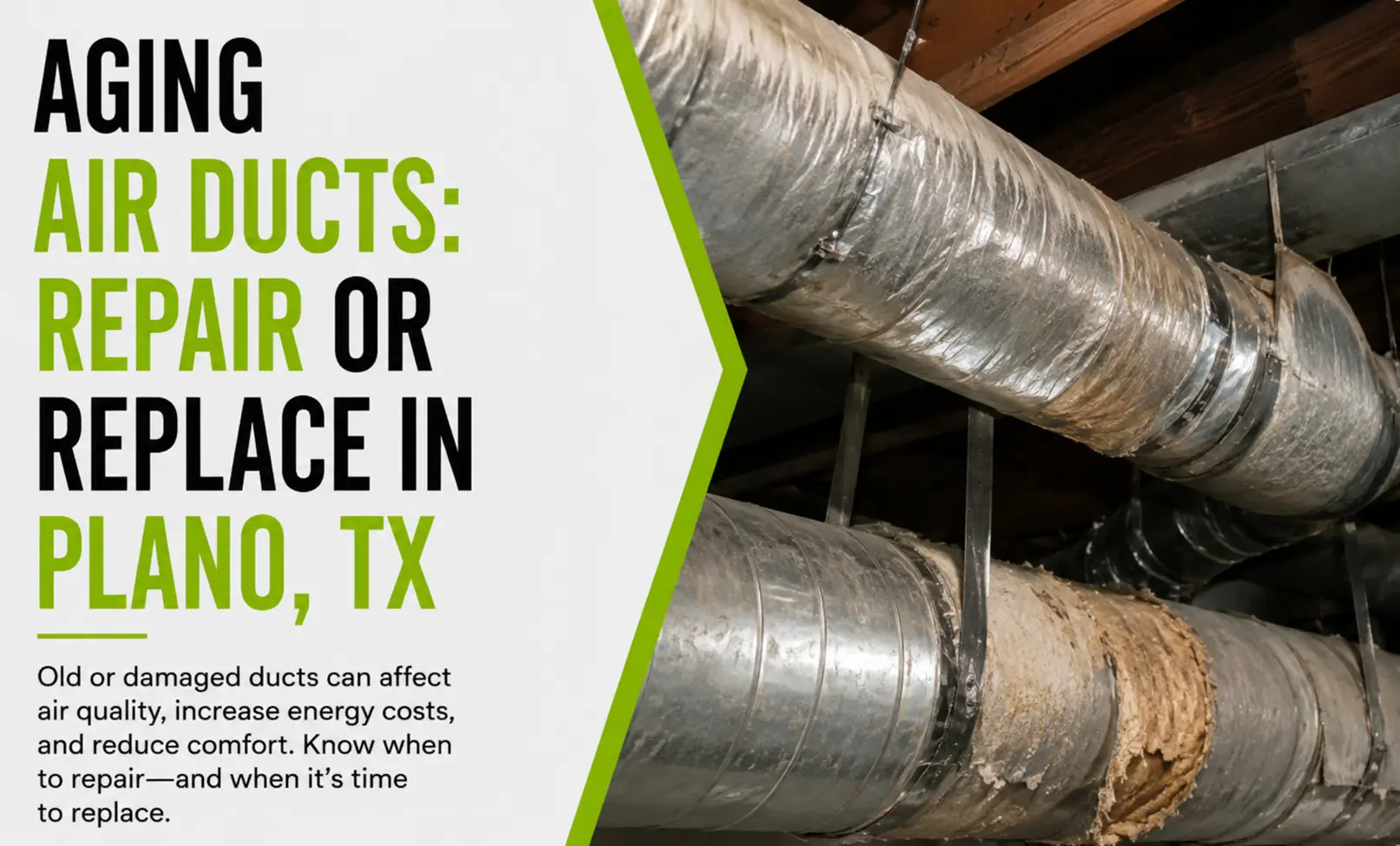
- Clogged air ducts: Dust and debris build up inside the ductwork over time.
- Leaky ductwork: Gaps and holes let conditioned air escape before it reaches rooms.
- Damaged or crushed ducts: Physical damage narrows the path air needs to travel.
Filters are the easiest fix and the biggest culprit. A restrictive HVAC filter chokes airflow more than most homeowners realize.
Warning Signs of Poor Airflow
Watch for these signs that airflow problems are affecting your HVAC system:
- Weak airflow from vents in some or all rooms
- Uneven airflow in home, with some rooms hotter or colder
- The system runs longer without reaching the set temperature
- Higher energy bills without a clear cause
- Ice forming on the outdoor unit or indoor coil
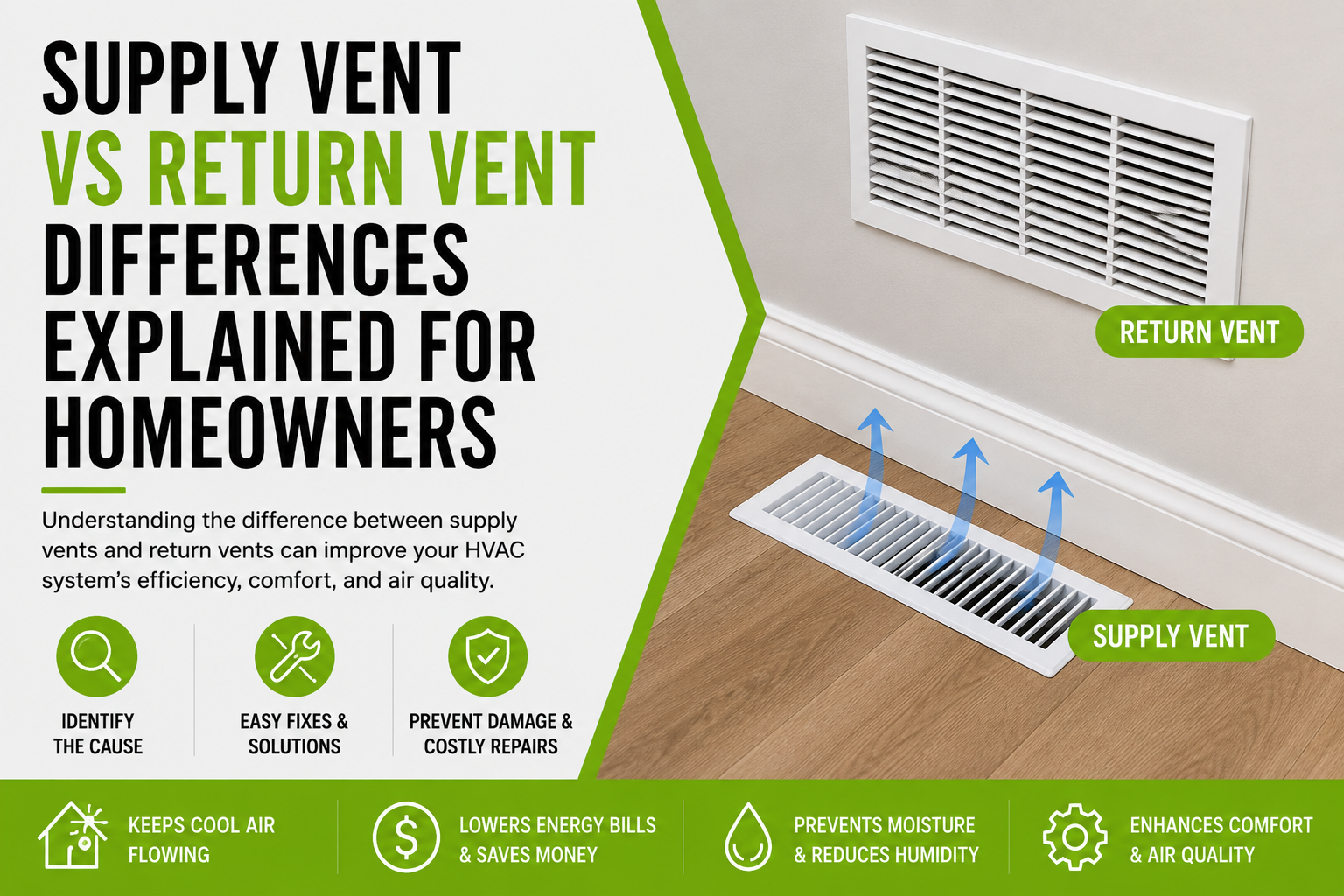
Uneven comfort is often the first sign homeowners notice. Understanding common supply vs. return vent issues helps explain why some rooms feel worse than others.
How to Check and Fix Airflow Problems
Follow these steps to check for airflow problems and prevent HVAC damage:
- Check the air filter. Replace it if it looks dirty or has not been changed in over a month.
- Clear the vents. Move furniture and rugs away from supply and return vents.
- Inspect visible ductwork. Look for disconnected, crushed, or damaged sections.
- Schedule a duct inspection. A professional can check for hidden leaks and blockages.
- Get the system serviced. Regular HVAC repair services catch airflow issues before they cause damage.
Duct problems are often hidden from view. Reviewing common duct repair problems helps you understand what a professional inspection typically finds.
Why This Matters in Plano, TX
Plano’s long, hot summers make airflow problems worse and more costly. When the system already struggles with Texas heat, restricted airflow adds extra strain that shortens equipment life. Homes with older or leaky ductwork feel this the most during peak summer months.
Preparing your system before summer helps prevent airflow-related damage. A seasonal HVAC summer preparation checklist for Texas homes catches airflow issues before the heat arrives.
Homeowners often share their own airflow troubleshooting experiences. Discussions in the HVAC show that catching airflow problems early is the most common advice for avoiding expensive repairs.
Common Mistakes That Make Airflow Problems Worse
Avoid these mistakes that let poor airflow damage your system further:
- Ignoring weak airflow: Small airflow problems often get worse and more expensive over time.
- Closing too many vents: This raises pressure and can damage the ductwork.
- Skipping filter changes: A neglected filter is one of the easiest problems to prevent.
- Delaying duct repair: Leaky or damaged ducts waste energy every day they go unfixed.
How to Choose an HVAC Airflow Repair Company
Choose a licensed HVAC company that inspects the full system, not just one part. Look for technicians who explain the cause of the problem and offer honest, upfront pricing.
- Licensed and experienced HVAC technicians
- Full duct and airflow inspection, not a quick guess
- Clear pricing before any repair work begins
- Local Plano service with fast response times
Frequently Asked Questions
Can poor airflow really damage my AC unit?
Yes. Poor airflow can damage your AC unit by causing the evaporator coil to freeze and the compressor to overwork. Over time, this leads to costly repairs or early system failure. Restoring proper airflow through filter changes, duct repair, or professional service protects your system and helps it run efficiently.
How do I know if my ductwork is causing airflow problems?
Signs of ductwork causing airflow problems include weak airflow from vents, uneven temperatures between rooms, and higher energy bills. Visible duct damage or disconnected sections are also common causes. A professional duct inspection can confirm leaks, blockages, or damage that a homeowner cannot easily see or fix alone.
What happens if I ignore weak airflow for too long?
Ignoring weak airflow for too long can lead to frozen coils, compressor strain, and permanent HVAC damage. Small airflow problems often start subtle but worsen steadily. The longer poor airflow continues, the more it shortens your system’s lifespan and increases the risk of a major, expensive repair.
Can a dirty air filter really cause HVAC damage?
Yes. A dirty air filter is one of the most common causes of poor airflow and HVAC damage. It blocks air movement, which can freeze the coil and strain the compressor. Replacing the filter every one to three months is one of the simplest ways to prevent airflow-related system damage.
How often should I get my ductwork inspected?
Most homes benefit from a ductwork inspection every one to two years, or sooner if you notice weak airflow, high energy bills, or uneven temperatures. Regular inspection catches leaks, blockages, and damage early. This protects your HVAC system and helps it run efficiently through Plano’s hot summers.
Conclusion
Poor airflow damage is a real risk that can freeze coils, strain compressors, and shorten your HVAC system’s lifespan. Catching the warning signs early and fixing filters, vents, or ductwork protects your equipment and your budget. If your Plano home has weak or uneven airflow, Air N Fire provides expert airflow diagnosis and HVAC repair you can trust. Contact Air N Fire today to protect your system from poor airflow damage in 2026.