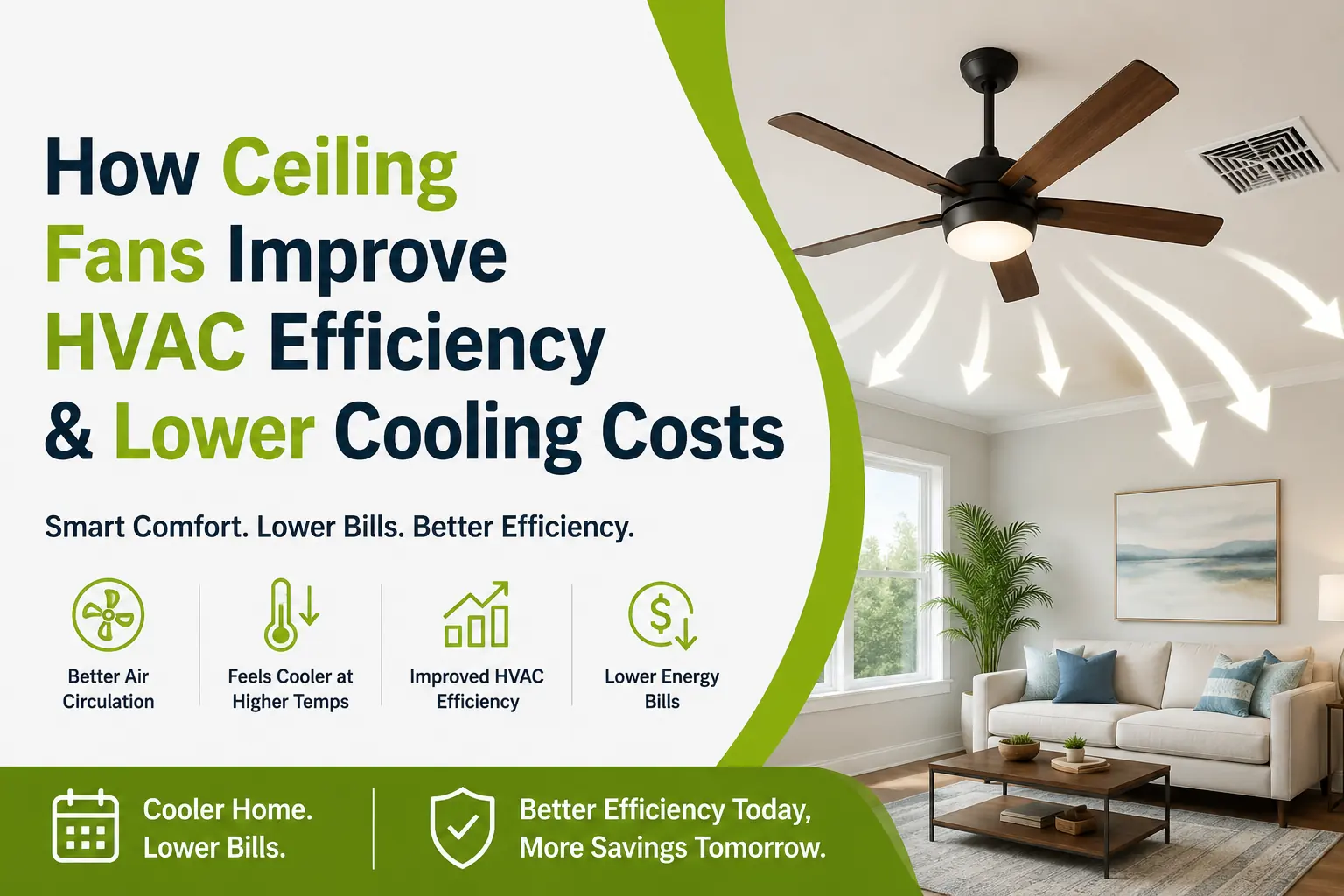

Many homeowners searching for ways to lower cooling costs often ask how ceiling fans improve hvac efficiency and whether fans truly make a difference during hot Texas summers. The answer is yes. Properly installed ceiling fans can support your HVAC system by improving air movement, helping conditioned air circulate more evenly, and reducing the strain on your air conditioning system. When paired correctly with HVAC maintenance, fans help create a more comfortable indoor environment while improving overall energy performance. Homeowners also researching duct cleaning costs often discover that airflow efficiency and fan performance work together for better indoor comfort.
Modern fans are no longer just decorative fixtures. A properly selected smart ceiling fan with optimized blade pitch, proper fan size, and advanced controls can improve comfort in both small and larger rooms. Combined with clean ductwork, balanced airflow, and efficient HVAC performance, ceiling fans help homeowners reduce energy waste and improve room-to-room temperature consistency.
Why Ceiling Fan Efficiency Matters for Modern Homes
Understanding ceiling fan efficiency is important because your HVAC system works harder when conditioned air is unevenly distributed throughout the home. Hot spots, poor circulation, and stale indoor air force your system to run longer cycles. Fans help push air more effectively, making rooms feel cooler without lowering the thermostat excessively. This creates noticeable comfort improvements while reducing strain on air conditioning equipment.
Many homeowners ask whether does having ceiling fans on help ac systems perform better. Ceiling fans do not lower room temperature directly, but they improve how cool the room feels by increasing airflow of a ceiling fan. That added circulation creates a wind-chill effect on the skin, helping occupants feel cooler at higher thermostat settings. According to the U.S. Department of Energy, ceiling fans can allow homeowners to raise thermostat settings while maintaining comfort.
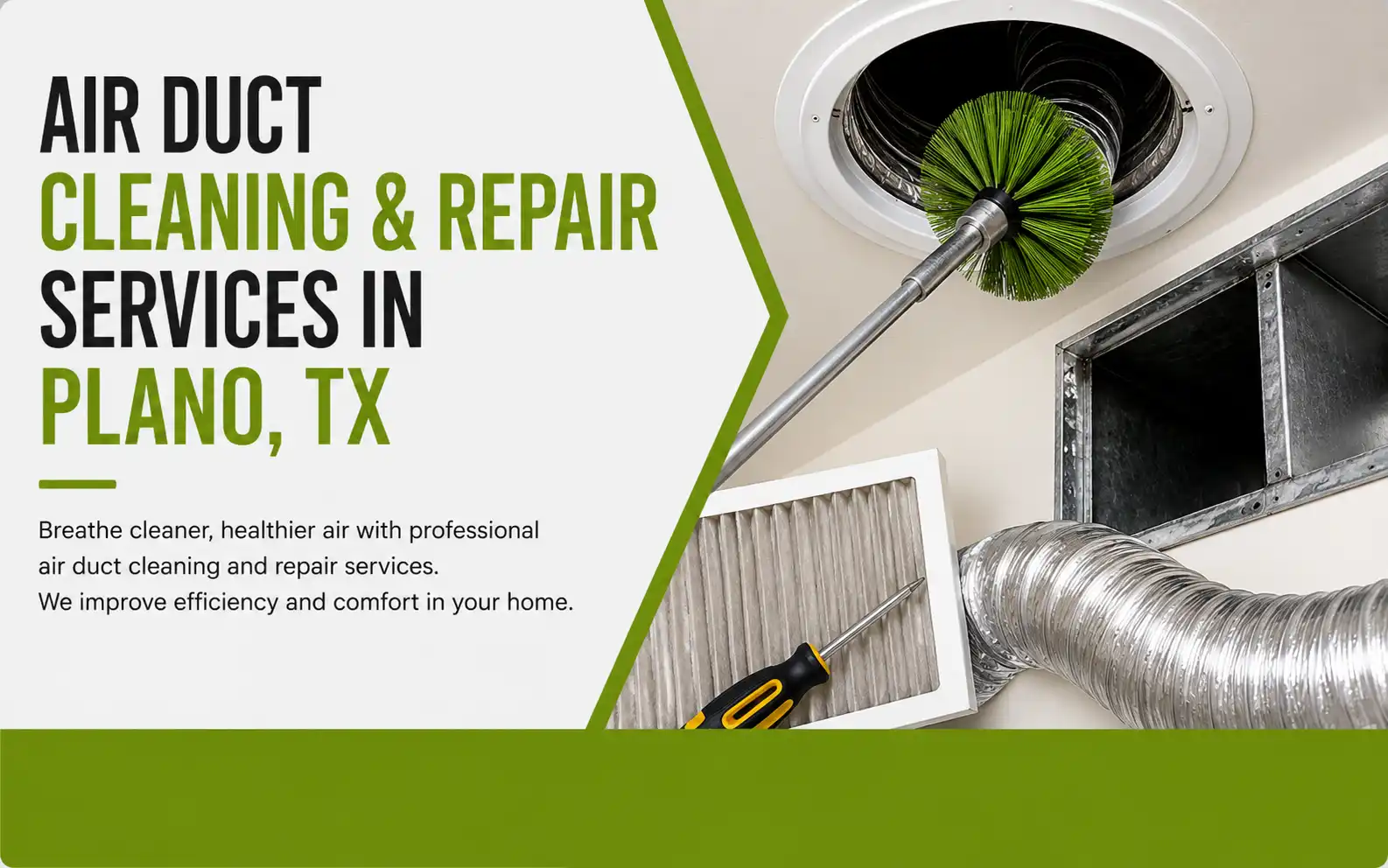
In homes with dirty vents or restricted ducts, even the best fan cannot compensate for airflow problems. That is why many HVAC professionals recommend pairing fan upgrades with services like dirty duct signs inspections to identify hidden airflow restrictions affecting cooling performance.
How Ceiling Fans and Air Conditioning Work Together
The relationship between ceiling fans and air conditioning is often misunderstood. Fans support your HVAC system by redistributing conditioned air more efficiently throughout the room. This reduces uneven temperatures and helps cooled air reach areas where airflow is limited. In multi-story homes, fans are especially useful because warm air naturally rises while cooler air settles lower.
Homeowners frequently search for answers to do ceiling fans help circulate air conditioning because certain rooms stay warmer than others despite running the AC continuously. Ceiling fans improve circulation by moving a greater volume of air across the room. Fans with higher cfm ratings are especially effective because they move more air at lower energy costs. Choosing the correct fan based on room dimensions is critical for achieving balanced cooling.
Importance of Fan Direction
Correct fan direction significantly impacts ceiling fan performance. During summer, fans should rotate counterclockwise at high speed to create a direct cooling breeze. In winter, clockwise rotation at lower speeds helps redistribute warm air trapped near ceilings. Many homeowners overlook this simple adjustment, reducing the effectiveness of both the fan and the HVAC system.
Why Smart Fans Improve Efficiency
A modern smart fan integrates with your smart home system and can automatically adjust operation using schedules, temperature sensors, or voice commands. These automated settings help reduce unnecessary fan usage while improving comfort during peak cooling hours. Smart controls also allow homeowners to optimize energy usage without manually changing settings throughout the day.
Main Practical Fixes That Improve Ceiling Fan for AC Performance
Homeowners looking to maximize ceiling fan for ac efficiency should start with proper fan selection and airflow optimization. One of the most important factors is matching fan diameter to room dimensions. Oversized fans can create excessive drafts, while undersized fans fail to move enough air. Evaluating room sizes, ceiling height, and furniture layout helps determine the ideal setup.
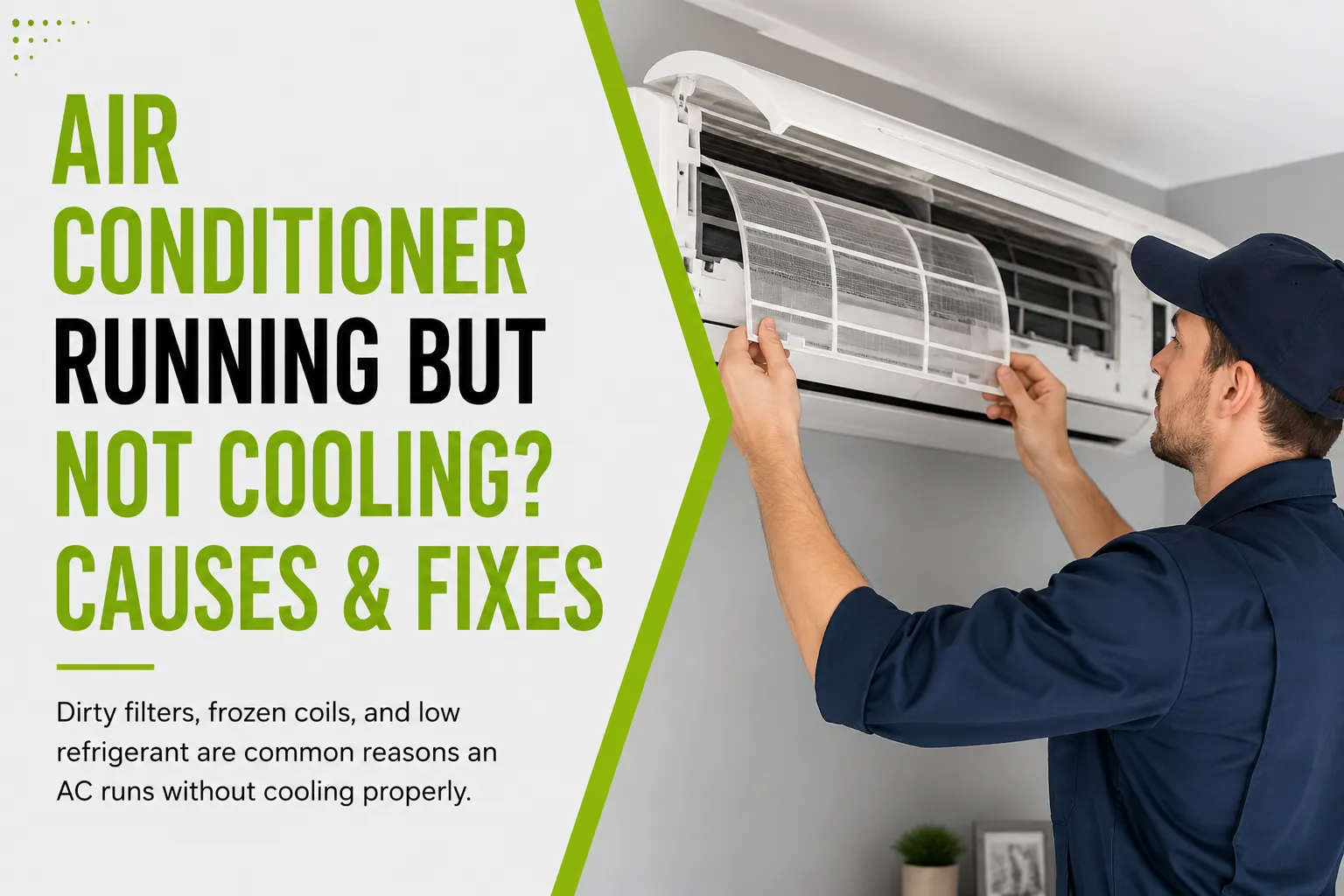
The quality of your HVAC airflow also matters. Restricted ducts, clogged vents, and dirty coils reduce the cooling support fans can provide. Many HVAC specialists recommend combining fan upgrades with services like airflow fixes to improve system-wide circulation and cooling consistency.
- Choose proper fan size based on square footage
- Select fans with strong cfm ratings for better circulation
- Use energy-efficient DC motor fans when possible
- Install fans at correct ceiling height for maximum airflow
- Adjust fan speed seasonally for comfort and efficiency
| Room Size | Recommended Fan Size | Suggested CFM Range |
| Small Bedroom | 42 to 48 inches | 3,000 to 4,500 CFM |
| Medium Living Room | 52 inches | 4,000 to 6,000 CFM |
| Large Open Area | 60 inches or larger | 6,000+ CFM |
Fast Solutions for Better Airflow and Cooling Comfort
If your home feels uncomfortable despite running the AC regularly, several quick improvements may help immediately. Adjusting fan settings, cleaning vents, and checking airflow direction can enhance circulation without major upgrades. Many homeowners asking do fans help air conditioning systems notice improvements simply by using fans consistently in occupied rooms.
Dirty duct systems can also interfere with airflow. Dust buildup, clogged returns, and restricted vents reduce circulation efficiency throughout the home. In some situations, homeowners benefit from professional evaluations like coil cleaning and duct inspections to identify hidden airflow restrictions affecting cooling performance.
- Reverse fan direction seasonally
- Increase thermostat slightly while using fans
- Keep vents open and unobstructed
- Clean fan blades regularly for smoother airflow
- Use fans only in occupied rooms for efficiency
System and Home Improvement Solutions for Long-Term HVAC Efficiency
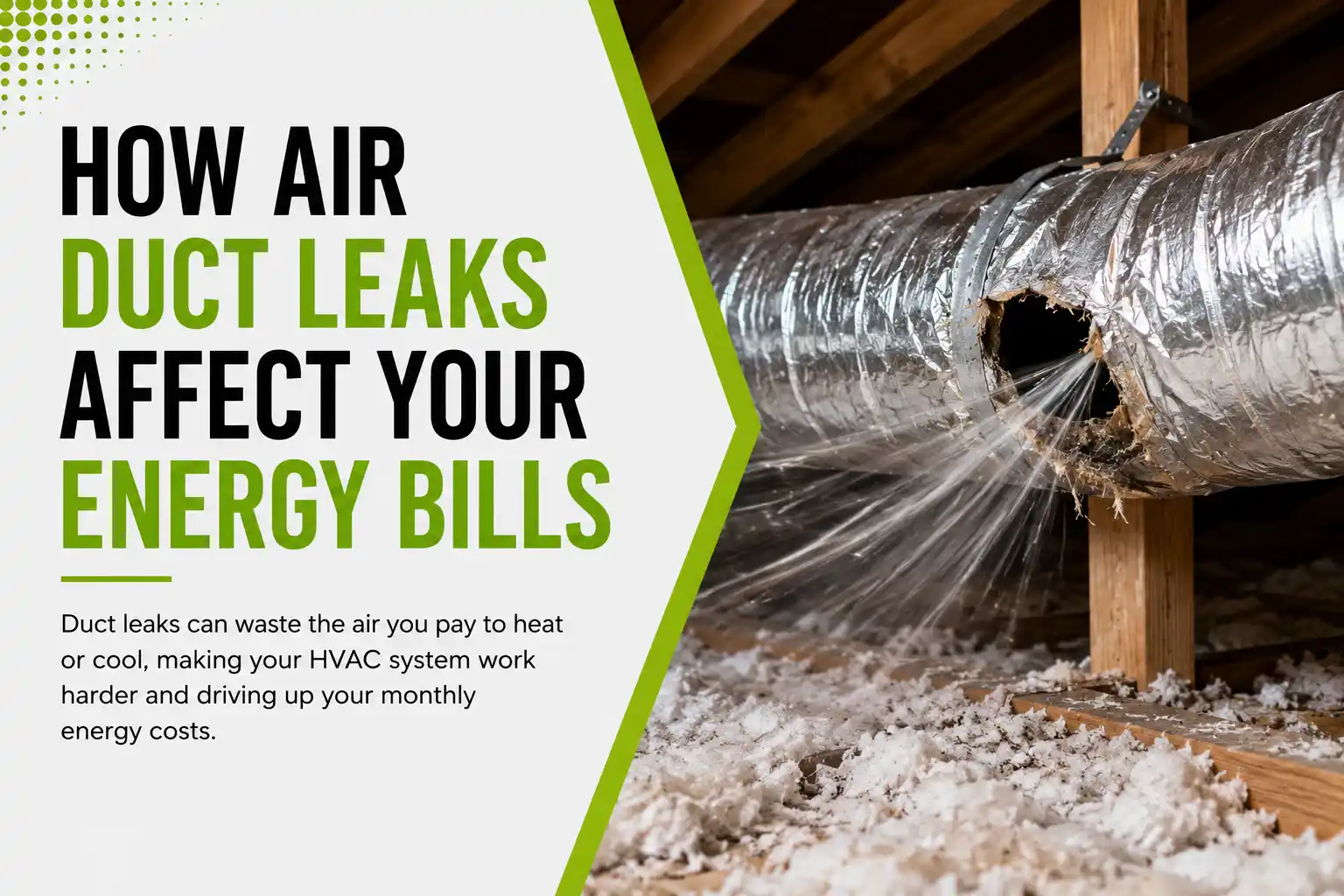
For homeowners wanting long-term energy savings, combining fan upgrades with HVAC improvements creates the best results. Proper insulation, duct sealing, balanced airflow, and regular maintenance all contribute to better cooling efficiency. Even powerful fans cannot overcome leaking ductwork or poorly maintained HVAC systems.
Research from MIT explains how airflow distribution and ventilation significantly impact thermal comfort in residential spaces. Improving total-home airflow often produces greater efficiency gains than replacing equipment alone. Ceiling fans help support this balance by keeping conditioned air moving consistently across occupied spaces.
Homeowners concerned about indoor comfort should also evaluate humidity levels and air quality. Poor humidity control makes rooms feel warmer even when temperatures are technically low. Services like humidity reduction solutions help HVAC systems and fans work more effectively together.
DIY vs Professional Ceiling Fan and HVAC Solutions
Some homeowners attempt DIY airflow improvements without understanding how HVAC systems distribute air throughout the home. While basic fan cleaning and direction adjustments are safe, larger issues involving duct leakage, airflow balancing, and electrical installation often require professional expertise. Incorrect fan installation can reduce efficiency, create wobbling, or overload ceiling supports.
DIY troubleshooting also fails when airflow problems originate deeper within the HVAC system. Dirty evaporator coils, blocked returns, damaged ductwork, or poorly balanced zones limit cooling performance regardless of fan quality. Resources from EPA Indoor Air Quality explain how ventilation and airflow directly affect indoor comfort and system performance.
- DIY fixes work for cleaning and simple adjustments
- Electrical wiring issues require licensed professionals
- HVAC airflow balancing needs specialized testing tools
- Duct restrictions require professional inspections
- Professional evaluations prevent long-term HVAC strain
Signs Professional Service Is Needed
Persistent airflow issues usually indicate deeper HVAC inefficiencies that fans alone cannot fix. If rooms remain unevenly cooled, humidity levels stay high, or the AC runs continuously, a professional inspection may be necessary. Homeowners often assume the fan is the issue when the real problem involves restricted ducts or poor HVAC performance.
Certain warning signs should not be ignored. Increased dust accumulation, weak airflow from vents, unusual odors, or higher utility bills may indicate hidden duct contamination or system inefficiencies. Discussions on and advice shared on frequently highlight how professional airflow testing identifies issues homeowners cannot easily detect themselves. General airflow principles are also explained.
Why Homeowners Choose Professional HVAC Airflow Specialists
Homeowners want more than temporary cooling improvements. They want reliable airflow, cleaner indoor air, and lower energy costs year-round. Professional airflow specialists evaluate the complete HVAC system, including duct condition, insulation performance, fan sizing, and ventilation balance. This full-system approach delivers longer-lasting efficiency improvements than isolated DIY adjustments.
Companies like Air n Fires help homeowners identify hidden airflow restrictions, ventilation inefficiencies, and HVAC performance issues affecting comfort. Professional inspections, duct evaluations, and airflow balancing services help maximize the effectiveness of both HVAC systems and ceiling fans while improving indoor air quality throughout the home.
FAQs About Ceiling Fans and HVAC Efficiency
Do ceiling fans cool a room or just move air?
Do ceiling fans cool a room directly is a common question. Fans do not reduce actual room temperature. Instead, they improve comfort by creating a wind-chill effect through increased air circulation, making occupants feel cooler while reducing reliance on lower thermostat settings.
Does having ceiling fans on help AC systems run less?
Yes. Does having ceiling fans on help ac systems operate more efficiently? In many cases, yes. Fans improve air circulation and help distribute conditioned air evenly, allowing homeowners to raise thermostat settings slightly while maintaining indoor comfort.
What is the ideal airflow of a ceiling fan?
The ideal airflow of a ceiling fan depends on room size and usage. Larger living areas typically require fans with higher CFM ratings to move enough air effectively. Bedrooms and smaller spaces may need moderate airflow for balanced comfort without excessive drafts.
Can a smart fan reduce energy costs?
A smart fan can help reduce energy costs when integrated properly with HVAC schedules and occupancy settings. Features like automation, timers, and voice controls help minimize unnecessary operation while maintaining comfort during peak cooling periods.
Do ceiling fans help circulate air conditioning evenly?
Yes. Do ceiling fans help circulate air conditioning throughout the home more effectively? Properly positioned fans improve airflow distribution, helping conditioned air reach corners, upper levels, and areas where cooling often feels inconsistent.
What fan size works best for larger rooms?
For larger rooms, homeowners should select fans with larger blade spans and stronger CFM ratings. Choosing a fan too small for the space limits airflow effectiveness and reduces the comfort benefits fans are designed to provide.
Can ceiling fan with air conditioning improve humidity comfort?
Using a ceiling fan with air conditioning can improve comfort in humid climates because moving air helps evaporate moisture from the skin more effectively. However, severe humidity issues may still require HVAC adjustments or dehumidification improvements.
Schedule Professional HVAC Airflow Evaluation
If your home struggles with uneven cooling, weak airflow, or rising energy costs, improving fan performance alone may not fully solve the issue. Professional airflow inspections help identify hidden duct restrictions, ventilation problems, and HVAC inefficiencies that reduce overall comfort. A complete evaluation can determine whether your fans, ductwork, and air conditioning system are working together effectively.
Conclusion
Understanding how ceiling fans improve hvac efficiency helps homeowners make smarter decisions about indoor comfort and energy savings. Properly selected fans improve air circulation, support HVAC airflow, and reduce unnecessary strain on cooling equipment. When combined with professional airflow evaluations and HVAC maintenance, ceiling fans become a valuable part of a more efficient home. Homeowners wanting long-term comfort improvements can contact Air n Fires to schedule professional airflow and HVAC inspections.