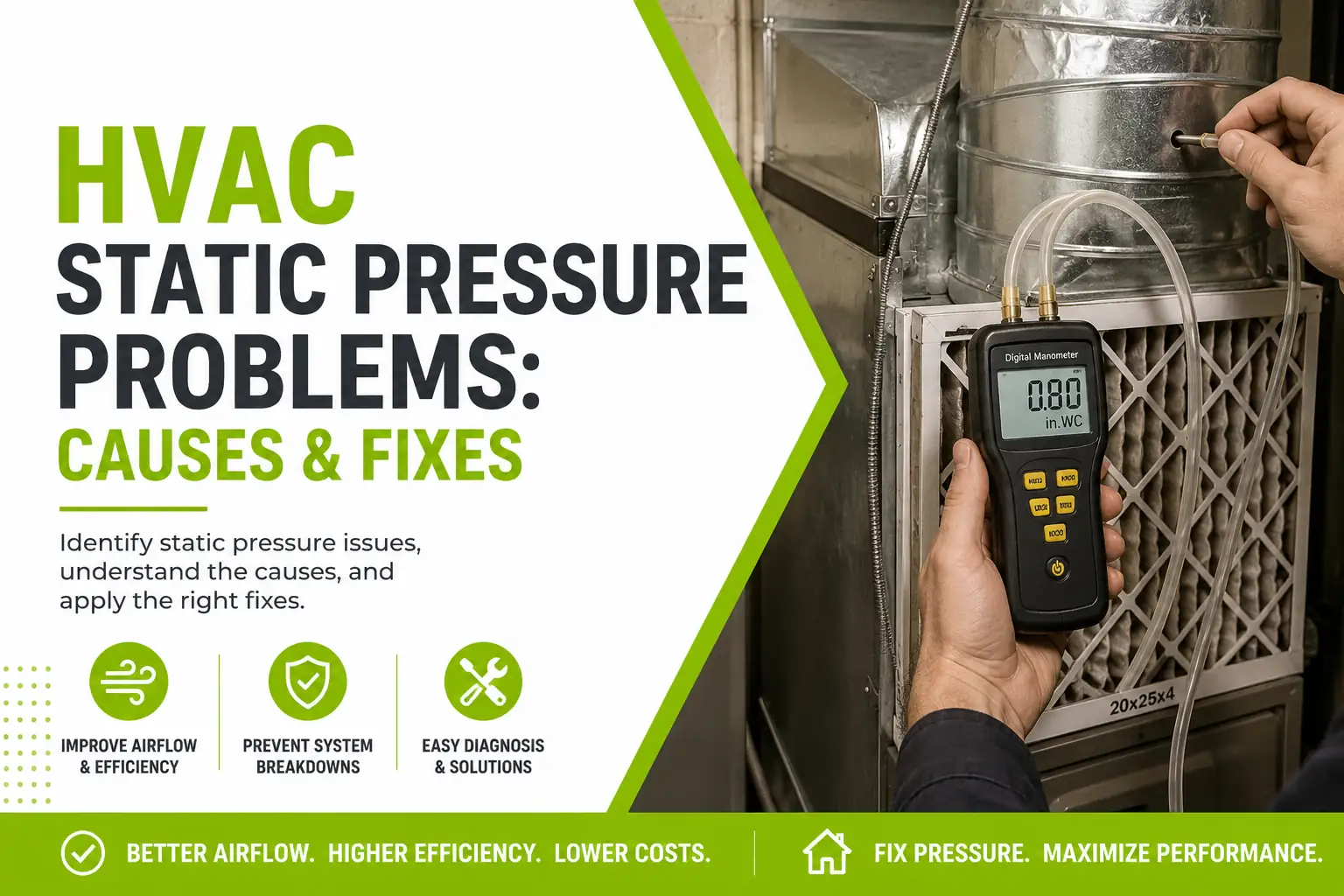

If you are dealing with weak airflow, uneven temperatures, or rising energy bills, you are likely facing HVAC static pressure problems and fixes that need immediate attention. Static pressure is the hidden force inside your hvac systems that determines how efficiently air can move air through the air duct network. When it is off balance, your entire system struggles to perform.
Many homeowners overlook this issue until their air conditioner starts failing or the system runs longer than usual. Before jumping into costly repairs, it helps to understand how pressure impacts your system. If you are also considering maintenance costs, check this detailed guide on duct cleaning cost to understand the financial side of airflow improvements.
Why HVAC Static Pressure Problems Matter for System Performance
At its core, hvac static pressure refers to the resistance to airflow inside your duct system. It is typically measured in inches of water column. When pressure increases, your system faces more air resistance, forcing components like blower motors to work harder. This reduces overall system performance and shortens equipment lifespan.
A high pressure hvac system often results in poor airflow, hot and cold spots, and excessive wear on hvac equipment. On the other hand, low static pressure hvac systems can indicate leaks or poorly designed ductwork. According to U.S. Department of Energy, improper airflow is one of the leading causes of inefficiency in cooling systems.
Main Causes of Static Pressure Problems in HVAC Systems
Understanding the root cause is critical when diagnosing static pressure problems. Most issues stem from blockages, design flaws, or neglected maintenance. A clogged filter or dirty return air pathway can instantly cause pressure to spike, restricting airflow throughout the home.
Another common cause is poorly sized ductwork. Many conventional systems were not designed to handle modern airflow demands. When ducts are too small, the system cannot maintain the ideal static pressure in hvac, forcing the system to run longer cycles and increasing energy bills.
- Dirty or clogged air filters
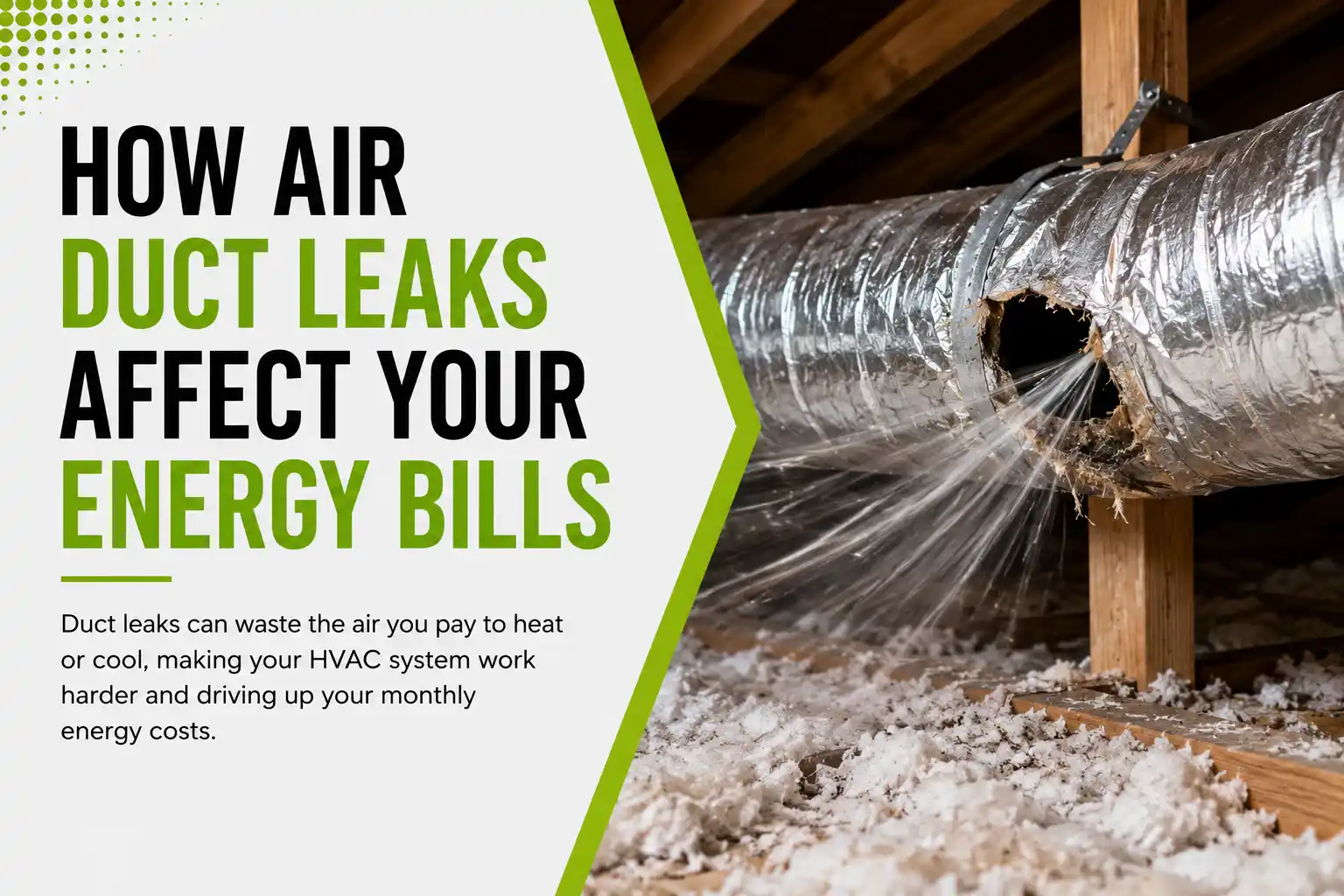
- Blocked or leaking air ducts
- Undersized ductwork
- Closed or obstructed vents
- Improper system installation
Warning Signs Your Static Pressure Is Too High or Too Low
When static pressure is too high, your system struggles to push air through the ducts. You may notice weak airflow, whistling noises, or rooms that never reach the desired temperature. The system runs longer, which increases wear and reduces energy efficiency.
If the pressure is too low, airflow may seem inconsistent or insufficient. This often points to leaks or disconnected ducts.
- Hot and cold spots in different rooms
- Unusual noises in ducts
- High energy bills
- Dust buildup near vents
- System runs constantly
Proven Fixes for HVAC Static Pressure Problems
Fixing hvac pressure issues requires a combination of inspection, adjustment, and sometimes system upgrades. The first step is always measuring and determining static pressure using specialized tools. Without proper testing, any fix is just guesswork.
Once the issue is identified, targeted solutions can restore airflow. For example, cleaning clogged ducts or replacing filters can significantly reduce air resistance. For deeper airflow issues, this guide on improve airflow explains how professional adjustments improve efficiency.
Fixing High Static Pressure HVAC Issues
When dealing with high static pressure hvac, solutions focus on reducing airflow restriction. This includes cleaning ducts, opening blocked vents, and resizing ductwork. In some cases, upgrading to high velocity systems can improve airflow efficiency without major renovations.
Fixing Low Static Pressure HVAC Problems
Low pressure typically requires sealing leaks or improving duct design. Technicians may also adjust fan speeds or repair disconnected ducts. These fixes help the system move air effectively and maintain balanced airflow throughout the home.
Quick Fixes Homeowners Can Try First
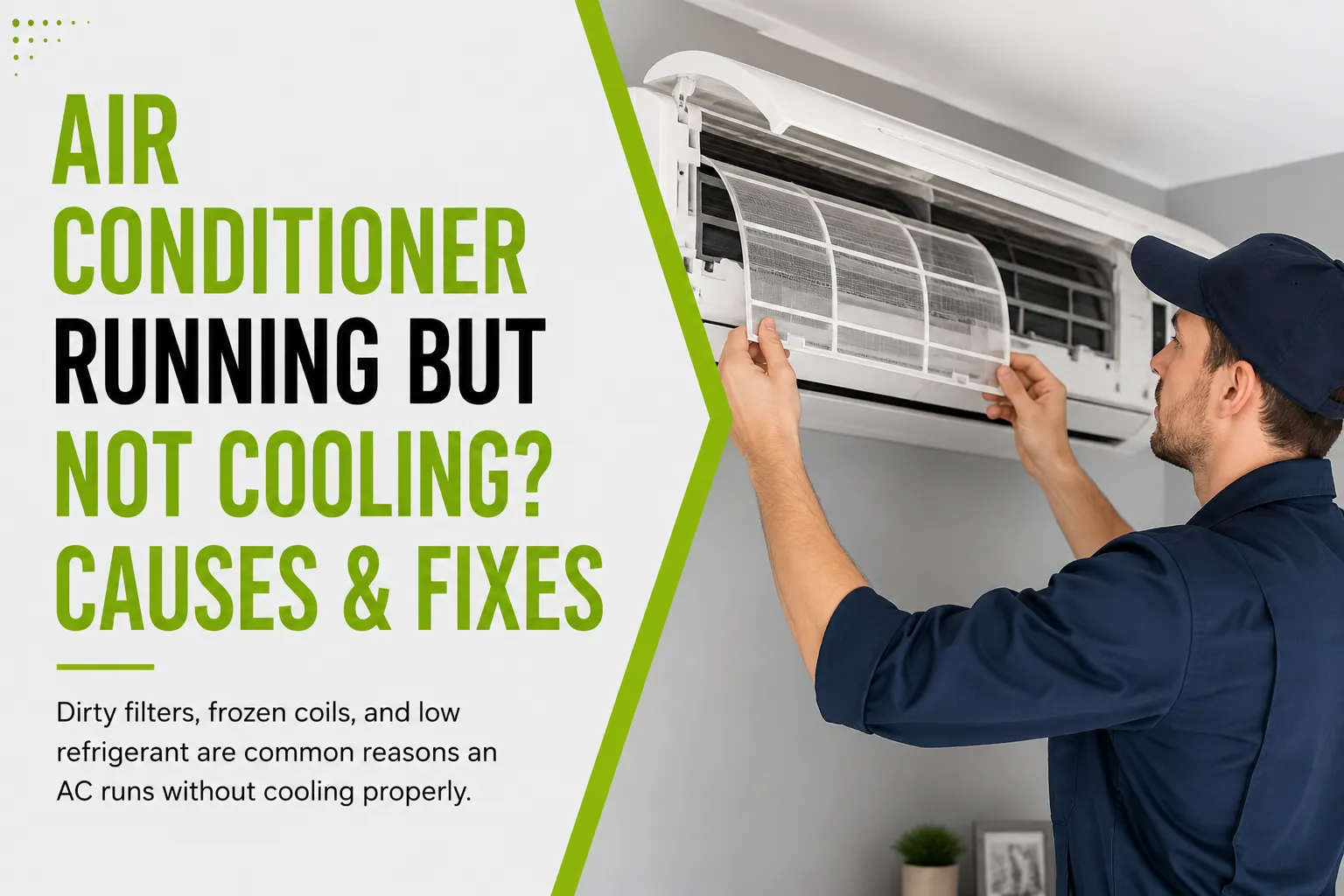
Some airflow issues can be resolved with simple maintenance steps. Replacing filters regularly is one of the easiest ways to reduce resistance to airflow. Dirty filters are the number one cause of pressure imbalance in residential systems.
Another quick fix is ensuring all vents are open and unobstructed. Furniture or debris blocking vents can disrupt airflow and cause pressure buildup. If dust buildup is a concern, this article on dirty ducts explains when cleaning becomes necessary.
System and Home Improvement Solutions for Long Term Results
For long term performance, homeowners often need structural improvements. Upgrading duct design or adding additional return vents can dramatically improve airflow balance. These changes help systems work more efficiently and reduce stress on components.
Improving insulation also plays a role in maintaining stable airflow. Poor insulation can cause temperature imbalances that force the system to compensate, increasing pressure. According to EPA indoor air quality guidance, proper airflow is essential for maintaining healthy indoor environments.
| Issue | Cause | Solution |
| High static pressure | Blocked ducts | Professional cleaning |
| Low airflow | Leaky ducts | Duct sealing |
| Uneven cooling | Poor duct design | System balancing |
| High energy bills | Restricted airflow | Filter replacement |
DIY vs Professional HVAC Static Pressure Fixes
DIY fixes can help with basic maintenance, but they rarely solve deeper static pressure problems. Homeowners can change filters and clean vents, but they cannot accurately measure air conditioner static pressure without specialized tools.
Professional technicians use advanced diagnostics to identify pressure imbalances. They can adjust blower motors, redesign ducts, and ensure optimal airflow. Many homeowners on platforms like Reddit and Quora share that DIY attempts often fail when dealing with system design issues.
Signs You Need Professional HVAC Service Immediately
Some warning signs indicate that your system needs professional attention. Ignoring these signs can lead to costly repairs or complete system failure. If your system runs constantly or struggles to maintain temperature, it is time to act.
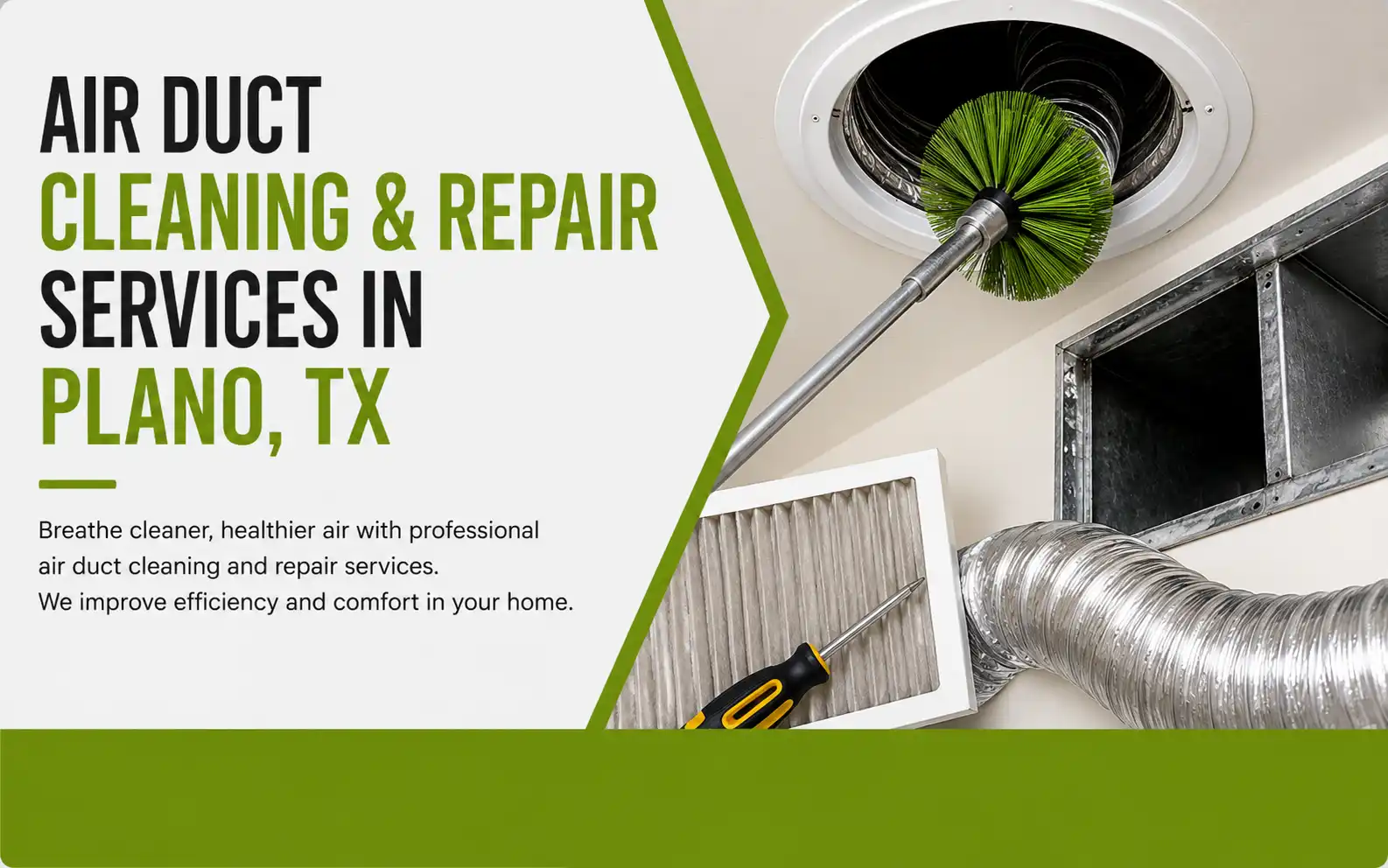
For severe airflow issues, professional services like duct repair can restore proper function. These services address underlying issues that DIY methods cannot fix.
- Persistent airflow problems
- Frequent system cycling
- Unusual noises
- High energy bills
- Poor indoor air quality
Why Homeowners Trust Professional HVAC Experts
Experienced professionals bring the tools and knowledge needed to fix complex airflow issues. They understand how hvac systems behave under different conditions and can identify hidden problems quickly. This ensures long term reliability and improved comfort.
Air n Fires provides comprehensive inspections, airflow testing, and duct solutions designed to restore balance and efficiency. Their expertise ensures your system operates at peak performance without unnecessary strain.
FAQs About HVAC Static Pressure
What is internal static pressure in HVAC?
What is internal static pressure refers to the resistance air faces inside the HVAC system. It includes ductwork, filters, and coils. Proper levels ensure efficient airflow, while imbalances can reduce system performance and increase energy consumption.
How is determining static pressure done?
Determining static pressure involves using a manometer to measure pressure differences across the system. Professionals take readings at multiple points to assess airflow resistance and identify restrictions within ducts or equipment.
What is ideal static pressure in HVAC systems?
What is ideal static pressure in hvac depends on system design, but most systems operate best around 0.5 inches of water column. Deviations from this range can cause airflow issues and reduce efficiency.
What causes high static pressure HVAC issues?
High static pressure hvac problems are usually caused by clogged filters, blocked ducts, or undersized ductwork. These restrictions increase resistance, forcing the system to work harder and reducing airflow efficiency.
Can low static pressure HVAC be harmful?
Yes, low static pressure hvac can indicate leaks or poor duct design. It prevents proper airflow distribution, leading to uneven temperatures and reduced comfort throughout the home.
How does HVAC pressure affect energy bills?
Improper hvac pressure forces the system to run longer cycles, increasing energy consumption. Balanced airflow helps reduce strain on components and improves overall efficiency, lowering monthly costs.
Take Action to Fix HVAC Static Pressure Problems
Ignoring airflow issues only leads to higher costs and reduced comfort. Addressing hvac static pressure problems and fixes early ensures your system runs efficiently and lasts longer. Whether it is a simple filter replacement or a full duct redesign, the right solution makes a measurable difference.
If you are experiencing persistent airflow issues, consider scheduling a professional inspection. You can explore services or book a consultation directly at Air n Fires to restore proper airflow and system performance.
Conclusion
Understanding and fixing HVAC static pressure problems and fixes is essential for maintaining comfort, efficiency, and system longevity. From clogged filters to poor duct design, these issues can quietly reduce performance and increase costs. While basic maintenance helps, professional diagnostics often provide the most effective results. If your system is struggling, taking action now can prevent bigger problems later and restore proper airflow throughout your home.