

If you are searching for how to reduce humidity without dehumidifier, you are not alone. Many homeowners struggle with high humidity, especially during warmer months. Too much moisture in your home can lead to mold growth, musty odors, and discomfort. It also affects your health and damages your property over time. The good news is you can manage indoor humidity without expensive equipment by using practical strategies.
Before jumping into solutions, it is important to understand how humidity levels impact your living space. Poor airflow, clogged ducts, and inefficient systems often trap moisture in the air. Improving airflow plays a major role, which is why learning how to improve air quality is a smart first step. When done correctly, these changes can significantly reduce humidity and create a healthier indoor environment.
Why Humidity Builds Up Inside Your Home
Excess moisture in your home usually comes from everyday activities. Cooking, showering, and even breathing contribute to moisture in the air. Areas like kitchens and bathrooms are common hotspots where humid air accumulates quickly. Without proper ventilation, this moisture gets trapped, leading to excessive moisture buildup. Over time, this can damage walls, ceilings, and insulation while creating the perfect environment for mold.
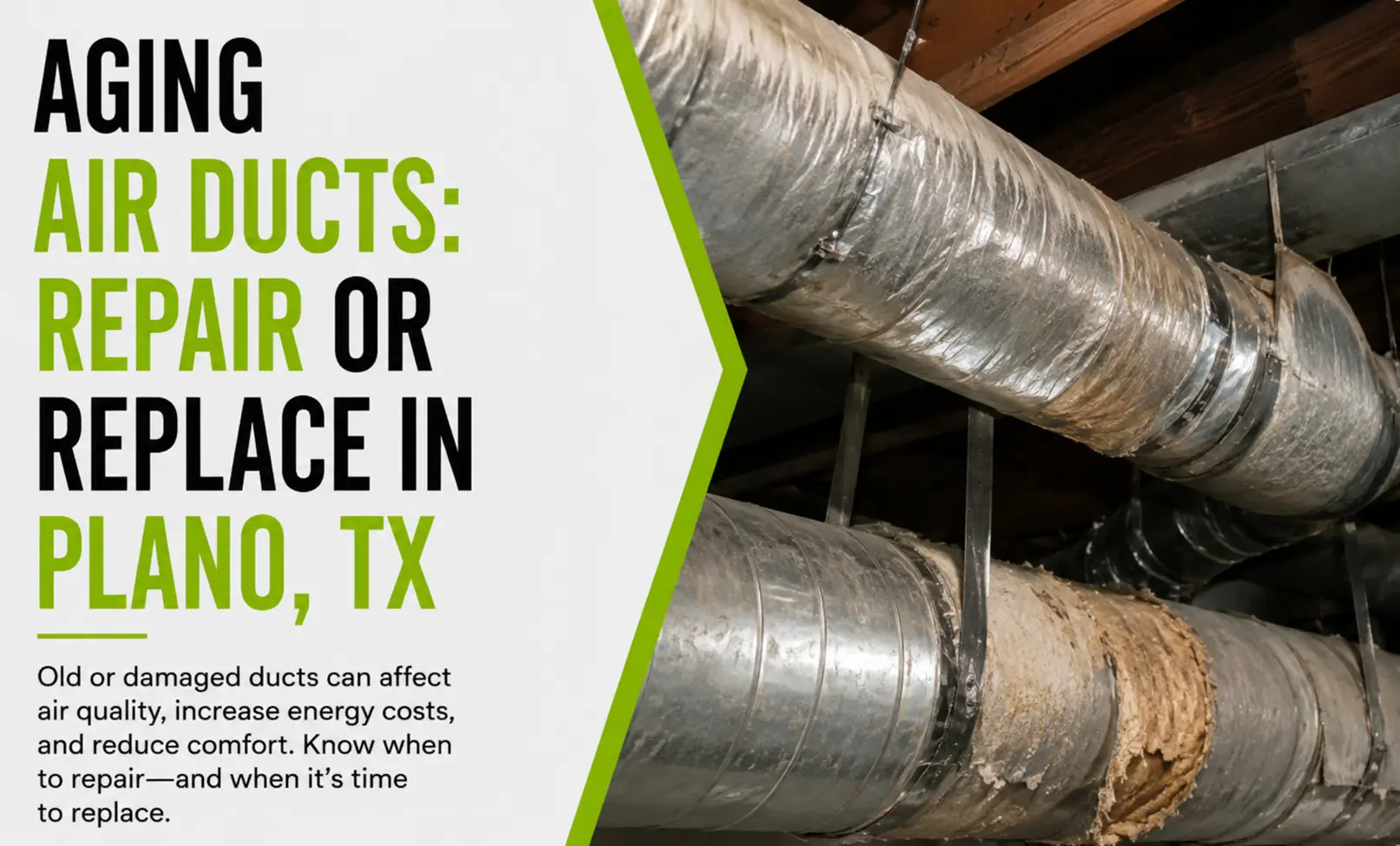
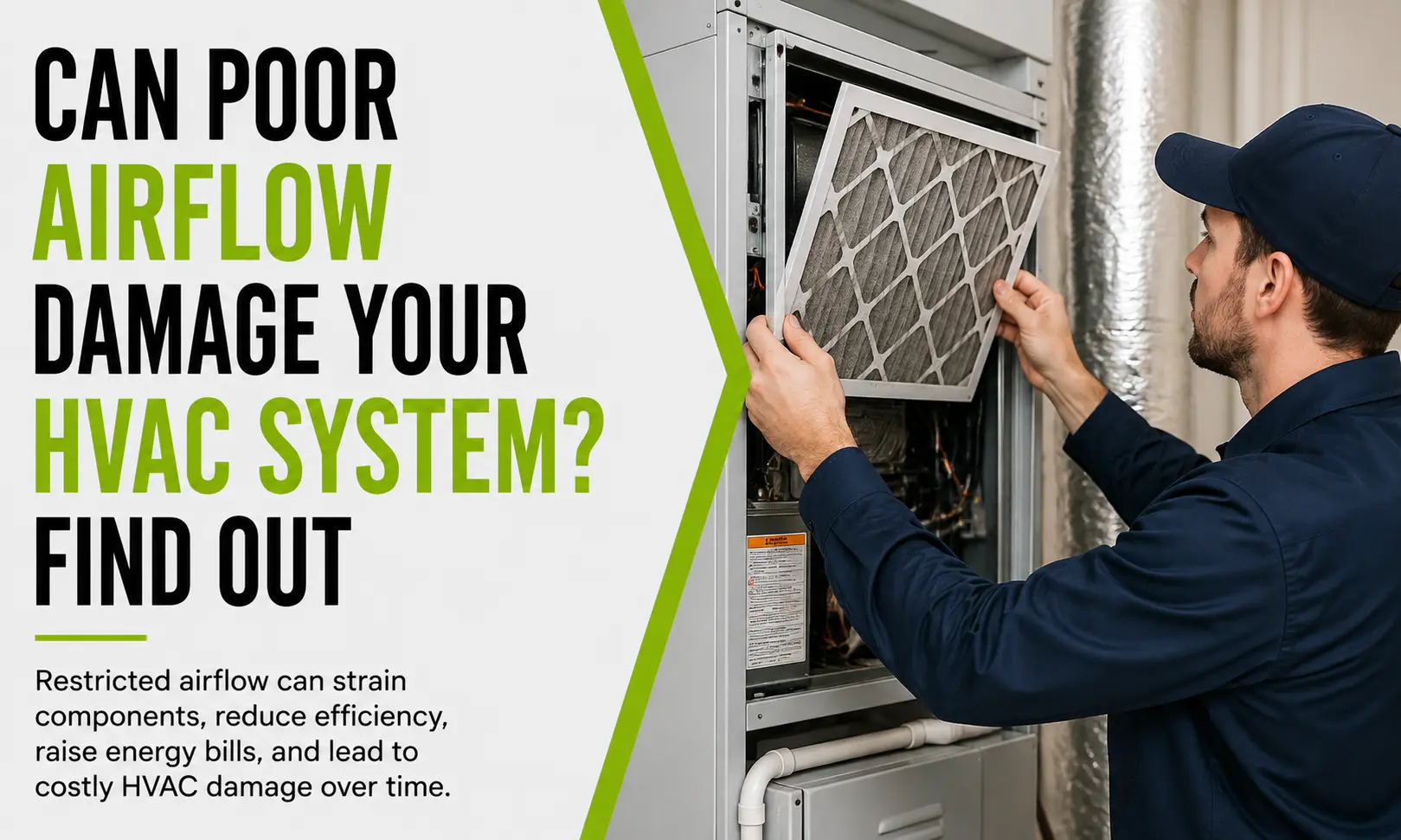
Your hvac system also plays a big role. If it is not functioning properly, it cannot regulate indoor humidity levels. Dirty air ducts, blocked vents, and poor airflow prevent the system from removing moisture effectively. This leads to uneven levels in your home and contributes to a persistent humid house. Addressing these underlying issues is key to maintaining balanced humidity.
The ASHRAE standards emphasize proper ventilation and airflow to maintain safe indoor humidity levels.
Simple Ways to Reduce Humidity Without a Dehumidifier
There are several practical methods for how to lower humidity in house without relying on a machine. Start by improving airflow. Open windows during dry weather and use exhaust fans in kitchens and bathrooms to push out humid air. Running ceiling fans helps circulate air and prevents moisture from settling. You can also place moisture-absorbing materials like baking soda or charcoal to absorb moisture naturally.
Another effective approach is controlling sources of excessive moisture. Fix leaks immediately and avoid air-drying clothes indoors. Your clothes dryer should vent outside to prevent moisture in the air. These small adjustments can significantly reduce moisture and help maintain stable indoor humidity levels. Many homeowners underestimate how much these habits impact overall humidity.
Use Your HVAC System to Lower Humidity
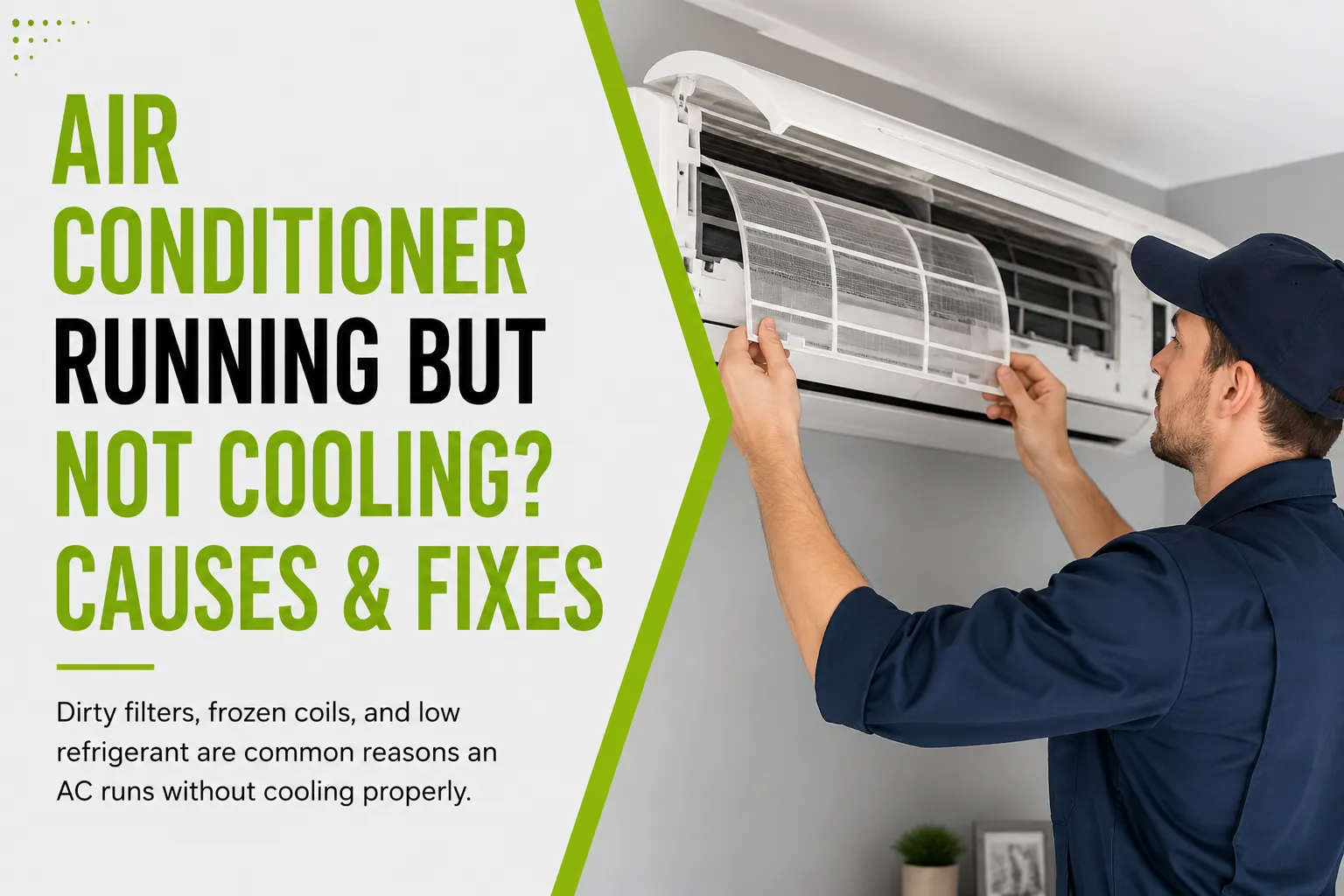
Your air conditioning system is one of the most effective tools for how to decrease humidity in the house. Modern air conditioners are designed to remove moisture while cooling your home. However, they only work properly if the system is clean and well-maintained. Dirty coils or clogged ducts reduce efficiency and trap humid air inside your home.
Routine maintenance helps your hvac system stay energy efficient while managing humidity levels. If your home still feels damp, it may be time for a professional inspection. Learn the warning signs by visiting duct warning signs. Keeping your system clean ensures consistent airflow and better control over indoor humidity.
Research from University of Minnesota Extension highlights how ventilation and moisture control directly impact indoor comfort and safety.
DIY Methods vs Professional Solutions
DIY methods are helpful for minor issues, but they often fail when dealing with persistent high humidity. Temporary fixes like moisture absorbers or fans cannot handle deep-rooted problems such as duct leaks or poor insulation. If your home constantly feels damp, it is likely due to hidden issues within your ventilation system that need professional attention.
Professional services go beyond surface-level fixes. Experts inspect your entire system to identify where moisture in your home is coming from. They can repair ducts, improve airflow, and optimize your hvac system for better performance. This ensures long-term control over indoor humidity levels instead of short-term relief.
Ways to Dehumidify a Room Naturally
When looking for ways to dehumidify a room, focus on reducing moisture at the source. Keep doors open to improve air circulation and use fans to move humid air out. Placing indoor plants that naturally absorb moisture can also help regulate humidity levels. These small changes can make a noticeable difference in comfort.
For faster results, combine multiple methods. Use exhaust fans after showers, keep windows slightly open when possible, and avoid overcrowding rooms. If you need quick relief, these strategies can help with how to lower humidity in house fast. Still, they work best when paired with proper system maintenance.
According to the EPA guidelines on indoor moisture, controlling humidity is essential to prevent mold growth and maintain healthy air quality.
Signs Professional Service Is Needed
There are clear warning signs that DIY solutions are not enough. Persistent musty smells, visible mold, and condensation on windows indicate serious moisture in your home. If your home remains a humid house despite your efforts, it is time to act. These signs often point to deeper issues within your ventilation system.
- Constant damp feeling indoors
- Mold growth in corners or vents
- Unusual increase in allergies
- Water stains or peeling paint
- High energy bills due to inefficient systems
In these cases, professional help is essential. Services like duct inspection can identify hidden problems and restore proper airflow. Ignoring these signs can lead to costly repairs and health risks.
Why Choose Air N Fire
Choosing the right professionals makes a big difference in managing indoor humidity. Experienced technicians understand how humidity levels affect your entire home system. They provide targeted solutions that not only reduce humidity but also improve overall air quality and system efficiency.
With expert services like air duct cleaning, homeowners can eliminate trapped moisture and restore proper airflow. This leads to better comfort, improved health, and long-term protection for your home. Professional care ensures your system works the way it should.
FAQs About Lowering Humidity
How to lower humidity in your home quickly?
To quickly reduce humidity, use fans, run air conditioning, and open windows when possible. Removing moisture sources like wet clothes also helps. Combining these methods improves airflow and reduces moisture faster.
How to get humidity out of house naturally?
You can use natural methods like ventilation, moisture absorbers, and indoor plants. These help absorb excess moisture and improve air circulation, keeping humidity levels balanced.
How to dehumidify a room without dehumidifier?
Use exhaust fans, open windows, and avoid activities that increase moisture. Simple changes like better airflow and removing damp items can effectively reduce humidity.
Why is my house always humid?
A constantly humid home usually indicates poor ventilation, duct issues, or an inefficient HVAC system. These problems trap moisture and require professional inspection.
Is high humidity harmful?
Yes, high humidity can lead to mold growth, respiratory issues, and damage to furniture and walls. Maintaining balanced humidity is essential for health and safety.
Can air conditioning reduce humidity?
Yes, air conditioning helps remove moisture from the air. However, it must be properly maintained to function effectively and control humidity levels.
Conclusion
Understanding how to reduce humidity without dehumidifier starts with identifying the root cause of excessive moisture. While simple fixes can help, persistent issues often require professional attention. Ignoring them can lead to long-term damage and health concerns.
If your home continues to struggle with high humidity, it may be time to take the next step. A professional evaluation can uncover hidden problems and provide lasting solutions. Visit Air N Fire to explore expert services or schedule an inspection that helps restore comfort and control in your home.