
Understanding the Types of Chimney Flashing is essential if you want to protect your home from leaks and long-term structural damage. Many homeowners only realize the importance of chimney flashing after noticing stains, mold, or costly repairs. If you’ve ever dealt with leaks, this guide on roof leak repair explains how small issues can quickly turn into major problems.
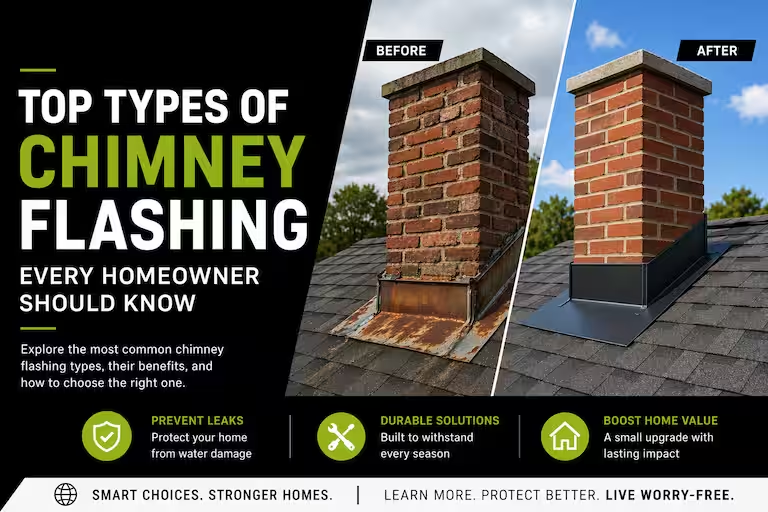
Chimney flashing is responsible for creating a waterproof seal between the chimney structure and the edge of the roof. Without properly installed flashing pieces, water intrusion can damage your roof deck, weaken mortar joints, and lead to expensive repairs. In this article, you’ll learn the most important chimney flashing types, how they work, and when professional help becomes necessary.
What Is Chimney Flashing and Why Does It Matter
Flashing chimney systems are designed to prevent water from entering the gap where the chimney meets the roof. This area is highly vulnerable because it combines vertical walls and horizontal surfaces. Properly installing flashing ensures that water flows away from the chimney instead of seeping into the roof deck. When done correctly, it protects against water damage and extends the lifespan of your roofing system.
Different types of roofs require different flashing materials. Whether your home has shingles or metal panels, choosing the right type of flashing for the roof is critical. Many homeowners overlook regular maintenance, but small cracks in mortar joints or damaged flashing pieces can quickly lead to serious leaks. Understanding the basics helps you make better decisions before problems escalate.
Main Types of Chimney Flashing
There are several types of chimney flashing used in residential construction, each designed to handle specific areas around the chimney. These components work together to create a complete barrier against water intrusion. When one part fails, the entire system becomes vulnerable, which is why understanding each type is important for long-term protection.
Professionals often combine multiple flashings around chimneys to ensure full coverage. This layered approach helps prevent water from reaching the roof deck, even during heavy storms. If you want to understand how professionals handle this process, check this chimney flashing repair guide for deeper insight into expert techniques.
Step Flashing
Step flashing consists of small metal pieces installed along the sides of the chimney where it meets the roof. Each piece overlaps the shingle below it, creating a layered system that directs water away from the chimney structure. This is one of the most important flashing pieces because it handles water runoff from sloped surfaces.
Apron Flashing
Apron flashing is installed at the front base of the chimney. It prevents water from entering where the roof slopes downward toward the chimney. Without it, water can collect and seep into the roof deck, leading to rot and interior damage over time.
Counter Flashing
Counter flashing is embedded into the chimney’s mortar joints and overlaps the base flashings. This creates an extra layer of protection and ensures that water does not penetrate behind the flashing materials. It is essential for long-term durability.
Chimney Saddle Flashing
Chimney saddle flashing is used on larger chimneys to divert water away from the back side. It acts like a small roof, preventing water from pooling and causing leaks. This is especially important in areas with heavy rainfall.
Best Flashing Materials for Long-Term Protection
Choosing the right roof flashing materials plays a major role in durability. Materials like aluminum, galvanized steel, and copper flashing are commonly used because they resist corrosion and withstand harsh weather. Copper flashing is considered the most durable option, often lasting decades without needing replacement.
The selection of materials also depends on the types of roof and climate conditions. For example, homes in Texas face extreme heat and storms, making material quality even more critical. According to the EPA moisture control guide, preventing water intrusion is key to avoiding mold and structural damage in homes.
Why DIY Chimney Flashing Repairs Often Fail
Many homeowners attempt DIY fixes, but chimney flashing requires precise installation techniques. Improper alignment of flashing pieces or poor sealing can lead to gaps that allow water intrusion. Without proper knowledge of vertical walls and roof angles, it is easy to create weak points that fail during heavy rain.
Another common issue is using the wrong materials or skipping critical steps like sealing mortar joints. According to research from Penn State Extension, improper roofing repairs are one of the leading causes of recurring leaks. This is why professional installation is often the safer and more cost-effective option.
Signs You Need Professional Chimney Flashing Service
If you notice water stains on ceilings, peeling paint, or damp insulation, these are clear signs of flashing failure. Cracks in mortar joints or rusted flashing materials also indicate that the system is no longer effective. Ignoring these signs can lead to serious structural damage over time.
Another warning sign is mold growth or musty odors near the chimney area. These issues often result from hidden water intrusion. If you’re unsure, reviewing chimney warning signs can help identify problems early before they worsen.
Why Choose Air N Fire for Chimney Flashing Services
When it comes to protecting your home, experience matters. Professional technicians understand how to properly install flashing pieces based on roof design, materials, and local weather conditions. They ensure a tight seal that prevents leaks and extends the life of your chimney structure.
Choosing experts also means access to high-quality materials and advanced techniques. According to the IAC Home Inspectors, proper chimney flashing installation is critical for preventing long-term water damage. Working with professionals ensures your home stays protected year-round.
FAQs: Types of Chimney Flashing
What are the main types of chimney flashing?
The main types include step flashing, apron flashing, counter flashing, and chimney saddle flashing. Each serves a specific role in directing water away from the chimney and protecting the roof deck from water intrusion.
Which flashing material is best?
Copper flashing is considered the most durable, while aluminum and steel are more affordable options. The best choice depends on your roof type, climate, and budget.
How long does chimney flashing last?
Properly installed flashing can last 20 to 30 years or more. However, regular maintenance is essential to prevent early wear and damage.
Can I repair chimney flashing myself?
DIY repairs often fail due to improper sealing and incorrect installation techniques. Professional service ensures long-term protection and prevents recurring leaks.
Why is chimney flashing important?
It prevents water intrusion at one of the most vulnerable points on your roof. Without it, water can damage the chimney structure, roof deck, and interior of your home.
Get Professional Chimney Flashing Service Today
If your home is showing signs of leaks or aging flashing, it is time to take action. Professional inspection and repair ensure that your chimney is properly sealed and protected from future damage. You can explore expert services through chimney service to keep your home safe.
Conclusion
Understanding the Types of Chimney Flashing helps homeowners make smarter decisions about protecting their property. From step flashing to chimney saddle flashing, each component plays a critical role in preventing water damage. Ignoring these systems can lead to costly repairs and structural issues.
If you want long-term protection, working with professionals is the best approach. A trusted team like Air N Fire can ensure proper installation and maintenance so your home stays safe. Visit our homepage to learn more or schedule a service today.