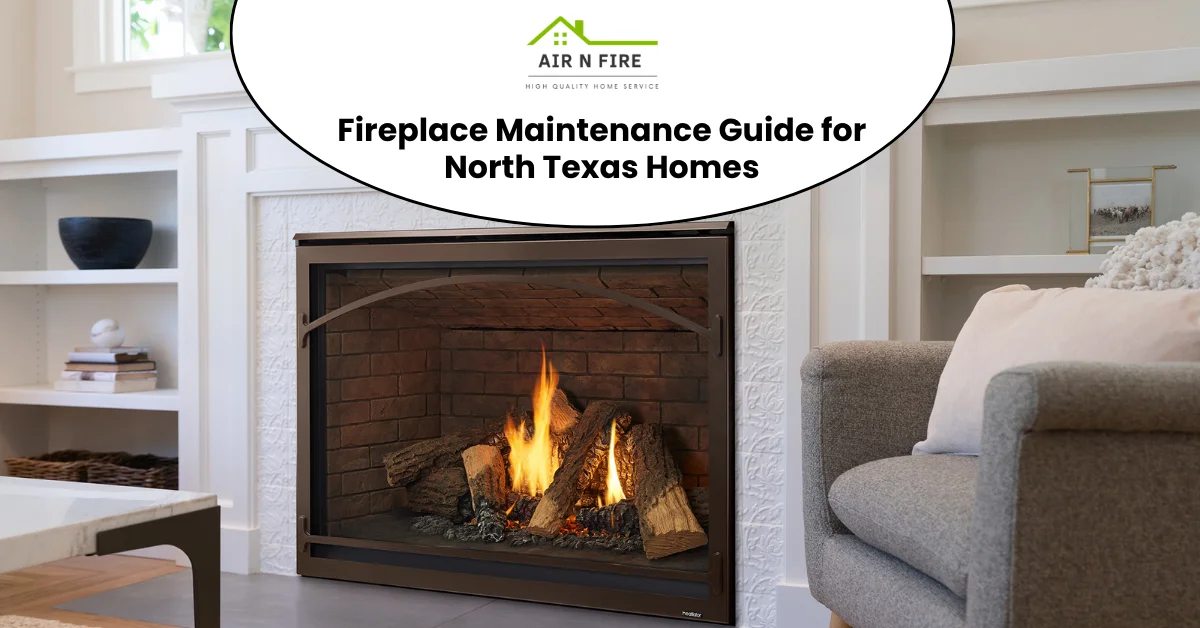

In North Texas, fireplaces are more than decorative features; they’re a source of warmth, family gathering, and charm during chilly evenings. But behind their inviting glow lies a critical responsibility: proper maintenance. Neglecting fireplace care can lead to safety hazards, energy waste, and costly repairs.
According to the U.S. Fire Administration, over 25,000 chimney fires occur annually in the U.S., causing more than $120 million in property damage. Regular maintenance not only prevents fire hazards but also keeps your fireplace working efficiently and safely through Texas’s unpredictable winters. Learn more about how Fireplace Maintenance in Plano TX can help protect your home and extend the life of your fireplace.
Why Fireplace Maintenance Matters for Texas Homes
Fireplace maintenance is more than an occasional cleaning routine it’s a preventive measure that protects your home, health, and comfort throughout the colder months. In North Texas, where winters can shift rapidly from mild to freezing, fireplaces often remain unused for long stretches and then work overtime during cold snaps. This irregular usage can cause creosote buildup, airflow blockages, and efficiency loss if not maintained properly.
Regular upkeep not only ensures safety and performance but also supports better indoor air quality and lower heating costs. In this section, we’ll explore the three major reasons fireplace maintenance should be part of every homeowner’s annual checklist safety, energy efficiency, and long-term cost savings.
Safety and Fire Prevention
One of the most critical aspects of fireplace maintenance is safety. Over time, soot and creosote can accumulate inside the chimney flue — and even a thin layer is enough to cause a fire hazard. The Chimney Safety Institute of America (CSIA) reports that creosote is the leading cause of residential chimney fires, which can ignite at temperatures as low as 451°F.
For thorough and professional cleaning, homeowners often rely on expert chimney sweep in Lake Dallas services to prevent these hazards before the cold season begins.
Energy Efficiency and Air Quality
Clean fireplaces burn fuel more efficiently and release fewer pollutants. When the chimney is free from soot and debris, warm air circulates smoothly, and your HVAC system doesn’t need to overwork. According to the EPA, clean chimneys can improve airflow and reduce indoor pollutants by up to 30%, helping families breathe easier during the heating season.
You can pair your fireplace upkeep with Air Duct Cleaning Services in Coppell TX for an even more effective improvement in your home’s indoor air quality.
Longevity and Cost Savings
Proper maintenance can extend your fireplace’s lifespan by up to 40%, saving hundreds in yearly energy and repair costs. Minor tasks such as inspecting the flue, sealing cracks, or cleaning ash buildup prevent more expensive problems like chimney liner replacement, which can exceed $1,200.
Discover more about Fireplace Install & Maintenance Companies that specialize in comprehensive repair and servicing to help extend the lifespan of your system.
Types of Fireplaces Common in North Texas Homes
Before learning how to maintain your fireplace, it’s important to understand the type of fireplace you own. Each model whether wood-burning, gas, or electric comes with its own unique components, safety needs, and maintenance schedules.
In North Texas, homeowners enjoy a wide variety of fireplaces that balance tradition and convenience. While older homes in areas like Plano or Denton may feature classic brick wood-burning hearths, newer residences in Frisco or McKinney often include modern gas or electric units designed for efficiency and easy operation.
Recognizing your fireplace type helps determine how often to clean it, what tools to use, and which problems to watch for. In the following sections, we’ll break down the three most common types of fireplaces in Texas homes, explaining their structures, maintenance steps, and care tips to keep them safe and efficient.
Wood-Burning Fireplaces
Wood-burning fireplaces are the timeless choice for Texas homeowners who appreciate the crackling sound and natural warmth of real fire. These fireplaces burn seasoned logs, creating authentic heat but also generating soot and creosote that require consistent maintenance.
To avoid buildup and ensure safe burning, check our guide on Signs You Need a Fireplace Cleaning in Texas for early warning signs and professional recommendations.
Maintenance Steps:
- Remove ashes at least once a week.
- Scrub soot deposits and clean the hearth monthly.
- Check the damper, flue, and chimney liner every season to prevent blockages.
Gas Fireplaces
Gas fireplaces are increasingly popular in North Texas because they offer warmth and ambiance without the mess of ash or wood storage. However, their mechanical and gas components require regular safety checks to prevent leaks and ignition failures.
Inspect for any unusual smells, delayed ignition, or flickering flame all of which can signal airflow or gas issues.
Maintenance Checklist:
- Inspect the pilot light and thermocouple twice a year.
- Clear burner ports using compressed air.
- Test carbon monoxide detectors regularly to ensure safety.
Electric Fireplaces
Electric fireplaces have become a smart solution for modern Texas homes, especially in apartments and newer builds where traditional chimney structures aren’t practical. They’re easy to install, energy-efficient, and virtually smoke-free but they still need care to maintain optimal performance.
Maintenance Tasks:
- Clean the dust filters and heating elements every few months.
- Ensure proper grounding and secure power connections.
- Test the thermostat annually to maintain temperature accuracy.
Step-by-Step Fireplace Maintenance Checklist
A fireplace may seem simple, but its system involves several components working together the firebox, damper, flue, chimney cap, and ventilation system all of which need attention to keep your home safe and warm.
To learn what a full inspection and tune-up includes, explore Benefits of Fireplace Cleaning for insights into performance, safety, and cost savings.
Many homeowners in North Texas use their fireplaces intermittently, which means months of dust, soot, or even pest buildup can go unnoticed. To maintain efficiency and prevent costly damage, it’s essential to follow a routine maintenance schedule that covers both visual inspections and deep cleaning.
| Task | Frequency | Purpose | Tools Needed |
| Inspect chimney flue | Every 6 months | Detect cracks & blockages | Flashlight, Inspection Mirror |
| Remove ash buildup | Weekly | Prevent odor & smoke backup | Metal Shovel, Ash Bucket |
| Clean glass doors | Monthly | Maintain clear visibility | Vinegar Solution, Microfiber Cloth |
| Check gas connections | Every 3 months | Prevent leaks & ensure safety | Leak Detector Spray |
| Sweep chimney | Annually | Remove soot & creosote | Chimney Brush, Ladder |
| Test smoke & CO detectors | Twice yearly | Detect fire or CO risk | Alarm Tester |
| Inspect damper seal | Each season | Maintain proper airflow | Sealant Tape |
Common Fireplace Problems & How to Fix Them
Even with consistent maintenance, fireplaces can still develop issues that affect performance, safety, or efficiency. Over time, exposure to heat, soot, and moisture can lead to wear, cracks, blockages, or mechanical failures especially in climates like North Texas, where temperature and humidity fluctuate seasonally.
Understanding the most frequent fireplace problems helps homeowners identify warning signs early, minimize repair costs, and prevent safety hazards.
Seasonal Fireplace Maintenance for North Texas
North Texas weather is unpredictable mild days can suddenly turn into cold, windy nights. This irregular pattern means fireplaces often sit unused for long periods and then operate heavily during short winter bursts.
Seasonal fireplace maintenance ensures that your unit stays safe, efficient, and ready whenever temperatures drop. Dividing tasks between fall preparation and post-winter maintenance keeps problems manageable and prevents costly emergency repairs later.
Hiring a Professional Fireplace Maintenance Service in Texas
While many fireplace maintenance tasks can be handled through routine homeowner care, certain issues demand professional expertise. Fireplaces involve complex systems from gas valves and flue liners to ventilation controls that require certified knowledge to inspect safely.
If you’re looking for trusted Fireplace Maintenance in Plano TX or across DFW, our professionals deliver comprehensive inspections and seasonal servicing designed for Texas homeowners.
Fireplace Safety and Efficiency Tips for Homeowners
Even after a professional inspection, maintaining daily safety and efficiency depends on homeowner habits. How you burn fuel, manage airflow, and monitor air quality all directly affect the performance and longevity of your fireplace.
Conclusion
A reliable fireplace is the heart of every cozy Texas home and keeping it in top condition takes the right balance of care, consistency, and professional attention. Routine inspections, seasonal cleaning, and safe usage habits not only protect your family but also enhance your fireplace’s performance for years to come.
Homeowners across North Texas trust Air N Fire to provide dependable, expert-level service that ensures comfort and peace of mind through every season. Our team focuses on safety-first solutions, high-efficiency results, and long-term reliability making us your go-to partner for fireplace maintenance and chimney care.
FAQs – Fireplace Maintenance Guide for North Texas Homes
Q1: How often should you clean your fireplace?
At least once a year before winter. Regular cleaning prevents soot buildup and maintains performance.
Q2: When is the best time for a chimney inspection in Texas?
Early fall, before temperatures drop and fireplace use increases.
Q3: What are signs your fireplace needs repair?
Smoke leakage, unpleasant odor, or visible cracks are common indicators.
Q4: Can I do maintenance myself?
Yes, for basic cleaning but hire a professional annually for safety inspection.
Q5: How much does annual maintenance cost?
Expect to pay $150–$350, depending on chimney size and buildup.