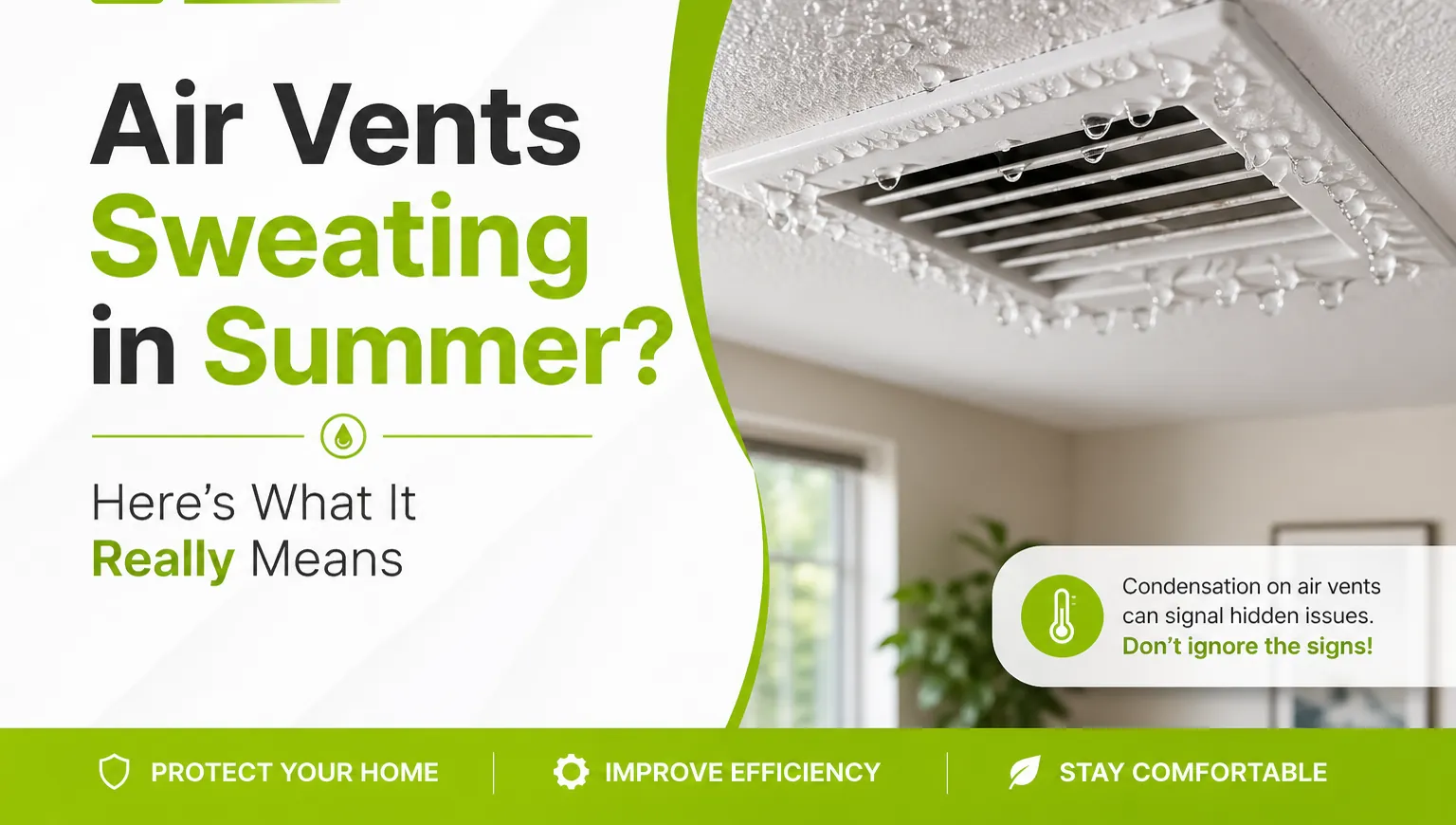

If you’ve noticed condensation on air vents in summer causes showing up as water droplets or damp spots, you’re not alone. Many homeowners deal with air conditioner vents sweating when temperatures rise and humidity levels spike. While it may seem harmless at first, this issue often signals deeper problems inside your ac system, including airflow restrictions, excess moisture, or insulation gaps that impact your overall indoor air quality.
Understanding why condensation in vents happens is the first step toward protecting your home from water damage and mold growth. If your home feels damp or uncomfortable, it may be time to review airflow, filtration, and moisture control. You can also explore ways to improve air quality while addressing hidden HVAC issues before they get worse.
What Causes Condensation on Air Vents in Summer
The main reason behind why is there condensation on my air vents is simple physics. When warm humid air comes into contact with cold surfaces like ac vents, moisture forms instantly. This is the same effect you see when a cold drink sweats on a hot day. Inside your home, your air conditioning system cools the air, but if humidity remains high, moisture from the air condenses on vent covers and ducts.
However, normal condensation should be minimal. If you notice excessive condensation, dripping water, or staining around vents, there’s usually a deeper issue. Problems like restricted airflow, dirty air filters, or a clogged condensate drain line can cause your ac unit to struggle. That imbalance leads to colder vent surfaces and higher moisture buildup, increasing the risk of mold and mildew.
Role of Humidity and Temperature Differences
When indoor temperatures are much lower than outdoor conditions, condensation increases rapidly. High humidity levels combined with poor ventilation create the perfect environment for vents sweat. Without proper airflow or insulation, your system cannot regulate moisture effectively, making condensation worse over time.
Common Reasons Your AC Vents Are Sweating
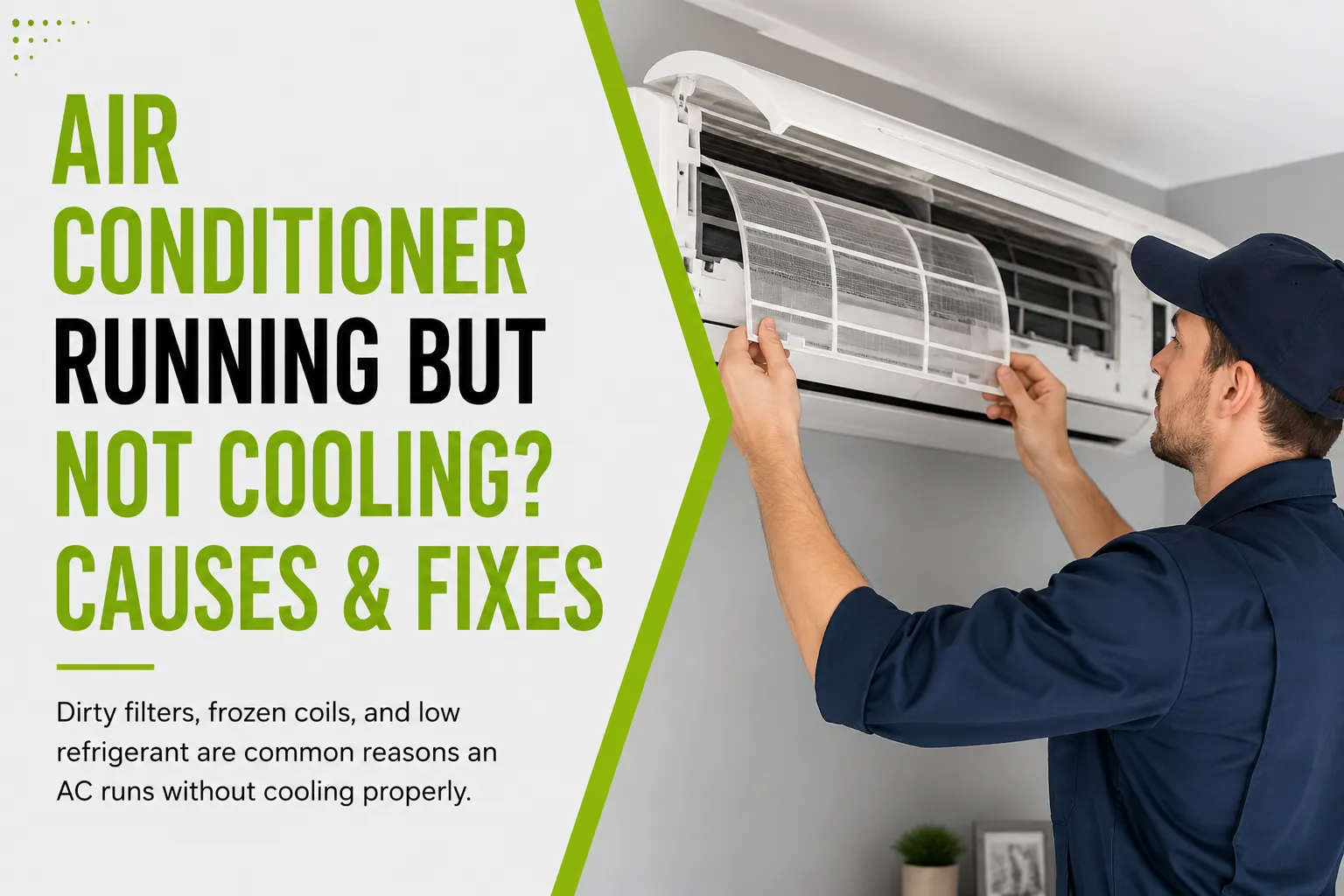
There are several mechanical and environmental reasons behind air conditioning vent condensation. These problems often develop gradually, making them harder to notice until water damage appears. One common cause is restricted airflow due to dirty ducts or clogged filters. If air cannot circulate properly, vents get colder than normal, increasing condensation buildup.
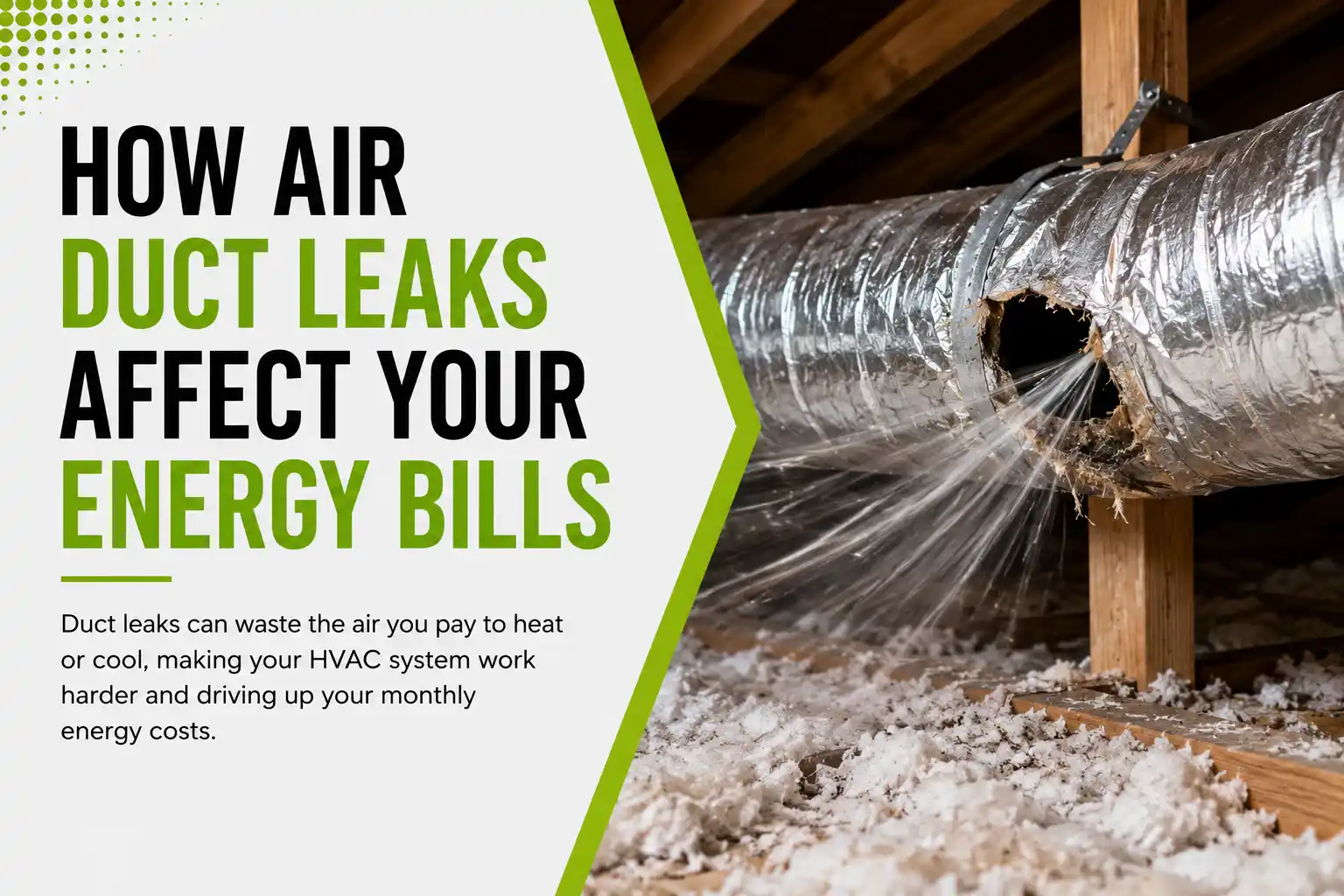
Another major issue is poor duct insulation. When ducts pass through hot spaces like attics, temperature differences cause heavy condensation. In some cases, your drain line may also be blocked, forcing moisture back into the system. For deeper insight into airflow issues, check airflow fixes to understand how inefficiencies affect condensation.
- Clogged or dirty air filters
- Blocked condensate drain line
- Leaky or unsealed ducts
- High indoor humidity levels
- Oversized or short-cycling air conditioner
Is Condensation on Ceiling Vent a Serious Problem?
A small amount of moisture may not seem like a concern, but ongoing condensation on ceiling vent can lead to significant damage. Water dripping from vents can stain ceilings, weaken drywall, and damage insulation. Over time, trapped moisture promotes mold and mildew, which directly impacts your indoor air and overall health.
According to the EPA mold guidance, indoor moisture problems are one of the leading causes of mold growth in residential spaces. Similarly, research from Lawrence Berkeley National Laboratory shows poor ventilation worsens moisture buildup.
How to Stop Condensation on Air Vents
Fixing condensation from ac vent requires addressing both moisture and airflow issues. Start with simple steps like replacing dirty filters and ensuring vents are not blocked by furniture. These small changes can immediately improve circulation and reduce moisture buildup inside your ac system.
For long-term results, you may need professional solutions like duct sealing, insulation upgrades, or drain line cleaning. If your system continues producing excess moisture, it’s worth reviewing a detailed guide like duct condensation fixes to understand what needs attention before damage spreads.
- Use a dehumidifier to lower humidity levels
- Seal and insulate ductwork
- Clean or replace air filters regularly
- Check and clear the condensate drain line
- Run exhaust fans in kitchens and bathrooms
Why DIY Fixes Often Fail
Many homeowners try quick fixes like wiping vents or adjusting thermostat settings, but these rarely solve the root problem. Condensation in vents is usually caused by system-level issues, not surface moisture. Without proper tools, it’s difficult to inspect duct leaks, airflow restrictions, or internal ac unit problems.
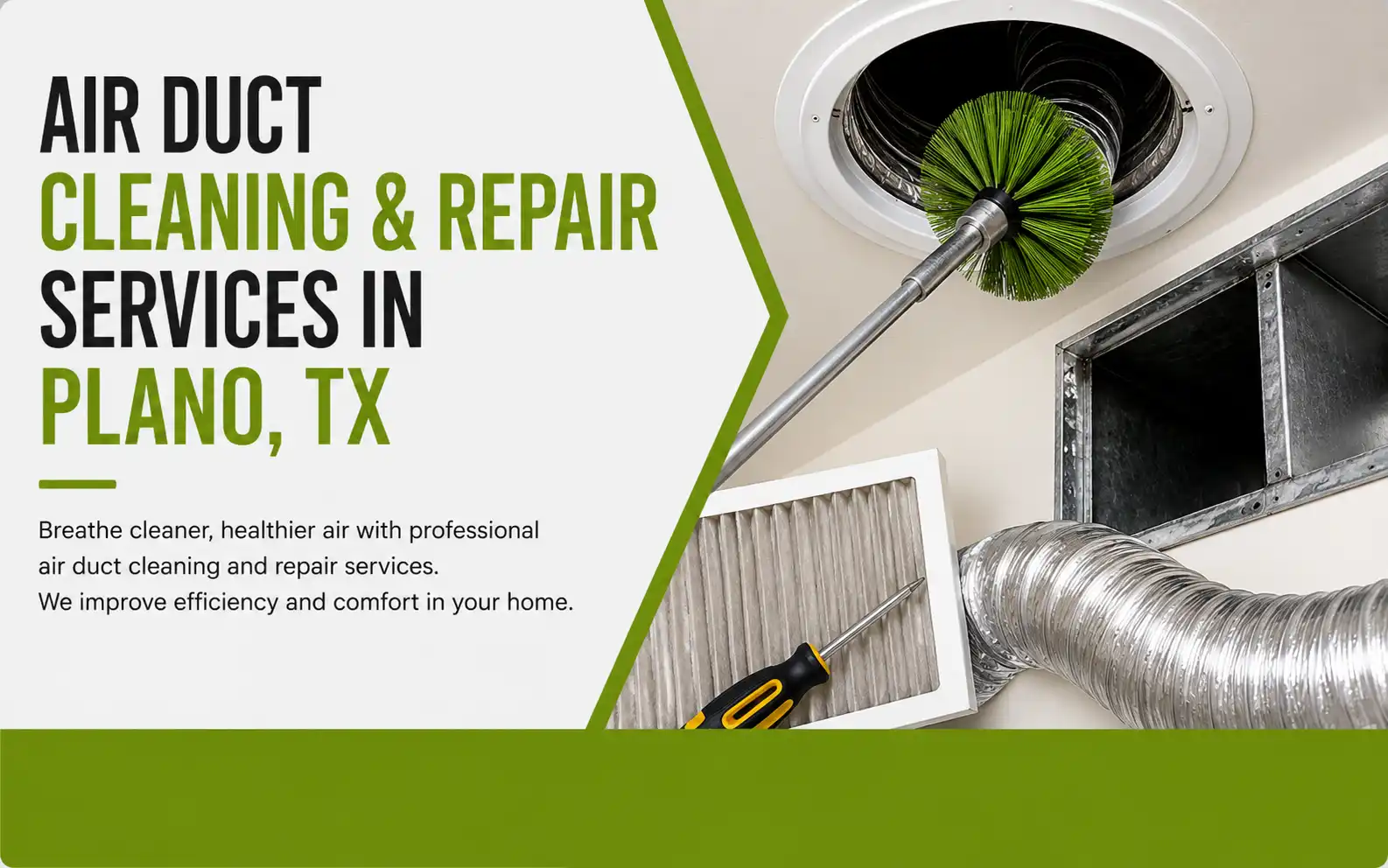
DIY attempts can also make things worse. For example, ignoring a clogged drain line can lead to water backup and system damage. In cases where ducts are contaminated, cleaning without proper equipment spreads debris and reduces air quality. That’s why understanding duct cleaning myths is critical before attempting repairs yourself.
Signs Professional Service Is Needed
Some warning signs clearly indicate that your air conditioner needs expert attention. Persistent moisture, musty odors, or visible mold around vents should never be ignored. These issues often point to deeper problems within the ac system that require specialized tools and expertise to resolve properly.
If your home constantly feels humid or your vents continue dripping despite basic fixes, it’s time to schedule a professional inspection. A trained technician can evaluate airflow, insulation, and system performance to prevent long-term damage. Booking a duct inspection helps identify hidden problems before they escalate.
- Water stains around vents
- Strong musty odors
- Visible mold growth
- Weak airflow from vents
- Constant high humidity levels
Why Choose Air N Fire
When it comes to solving air conditioning vent condensation, experience matters. Professional technicians understand how airflow, insulation, and humidity interact within your HVAC system. Instead of temporary fixes, they provide long-term solutions that protect your home and improve overall performance.
From advanced duct inspections to targeted repairs, expert services ensure your ac vents stay dry and efficient. Whether you need cleaning, sealing, or full system evaluation, working with specialists helps prevent recurring issues while improving your indoor air quality and comfort.
FAQs About Condensation on Air Vents
Why do my AC vents sweat in summer?
When warm humid air meets cold vent surfaces, moisture forms instantly. High humidity levels, poor airflow, or insulation issues can make the problem worse, causing visible water droplets on your vents.
Is condensation on air vents dangerous?
Yes, ongoing moisture can lead to water damage, mold growth, and poor air quality. Even small leaks can cause structural issues if left untreated for long periods.
How do I stop condensation on ceiling vents?
Lower indoor humidity, improve airflow, and ensure ducts are properly insulated. Cleaning filters and checking the condensate drain line also helps reduce moisture buildup.
Can dirty air filters cause vent condensation?
Yes, clogged air filters restrict airflow, making vents colder than normal. This increases condensation and forces your ac unit to work harder.
Should I call a professional for sweating vents?
If condensation is persistent or causing damage, professional inspection is recommended. Experts can identify hidden issues that DIY methods cannot fix effectively.
Does high humidity affect air vents?
Absolutely. High humidity levels increase moisture from the air, making condensation more likely when air hits cold surfaces like vents and ducts.
Take Control Before Moisture Turns Into Damage
Dealing with condensation on air vents in summer causes is not just about comfort. It’s about protecting your home from costly repairs and maintaining healthy indoor air. If your vents continue to sweat or your home feels damp, it’s time to act before the problem spreads.
At Air N Fire, expert solutions are designed to fix the root cause, not just the symptoms. Schedule an inspection today and get your HVAC system back to working efficiently with clean, dry, and properly functioning vents.